Struggles of Cuban Youth in the Face of Political Change
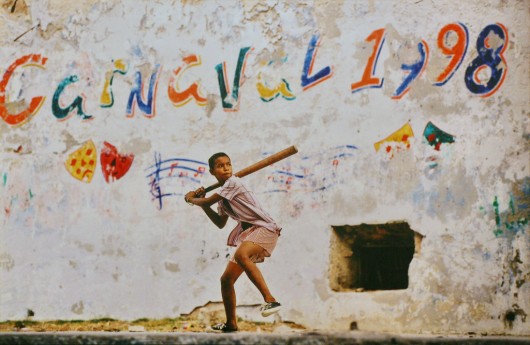
Although it is banner global news that the U.S. embassy has reopened in Cuba after 50 years of nonexistent relations, young Cubans are less than thrilled about the development. A reestablishment of an American-Cuban relationship may change the political/economic environment for some higher-ups, but it is unlikely to change anything for a young generation in Cuba that faces daily turmoil.
Despite much buzz surrounding the shift that is underway in the country, a sense of cynicism remains among the Cuban youth who believe that the ideals of Fidel Castro’s revolution are dated and irrelevant in the modern age. Hope of prosperity is shrouded by the belief that the Cuban government will not possibly allow young lives to change.
“Change? My life won’t change,” said 17-year-old Yunior Rodriguez Soto, gesturing to the dilapidated basketball court that surrounded him as evidence. “[The government] won’t let it happen […] That’s just how they are.”
The youth are open to political freedom and socioeconomic reform, but due to the Cuban government’s desire to maintain control and reach the highest possible level of national economic success, it is unlikely that changes will trickle down to their level.
Efforts of the government to balance economic growth with state control are causing private sector development to be difficult. Thus, the overgrown public sector is failing to persuade young people to stay in Cuba and start families. They have no guarantee that if they work hard they can support themselves and their children.
Government prices make buying products difficult for small business owners, and Cubans are often forced to turn to the black market in order to get the supplies they need at affordable prices. This black market activity does little to bolster the national economy.
While many developing nations see large youth populations, Cuba faces a serious demographic problem in their lack of young people. Approximately 20 percent of the Cuban population is over 60, making it the oldest Latin American nation, on average. Like Japan and the nations of Northern Europe, Cuba is a society struggling to support their older citizens without a thriving youth population on the economic rise.
There is evidence of a growing Cuban economy–new bars, clubs, and restaurants opening daily in Havana. But the lives of many Cubans have barely improved. The citizens opening these establishments were better off to begin with than many living on the streets. As one young Cuban remarked “the only way to see change is to make a boat and sail off.”
Cuban citizens want the change in their country to be immediate and to live up to the hype, but officials continue to insist that steps toward change will be gradual and take a while to pay off.
Cuba faces a conundrum–it is the youth that they most need to be involved in order for the country to prosper, but it is the youth who are least optimistic that the nation can change. The young people of Cuba, like those in other countries, on the whole are not overly interested in politics. Without some inspiration, it is unclear when the Cuban economy will see any significant change for its impoverished youth.
– Katie Pickle
Sources: New York Times, BBC
Photo: Flickr

