Fighting Food Insecurity Among Indigenous Canadians
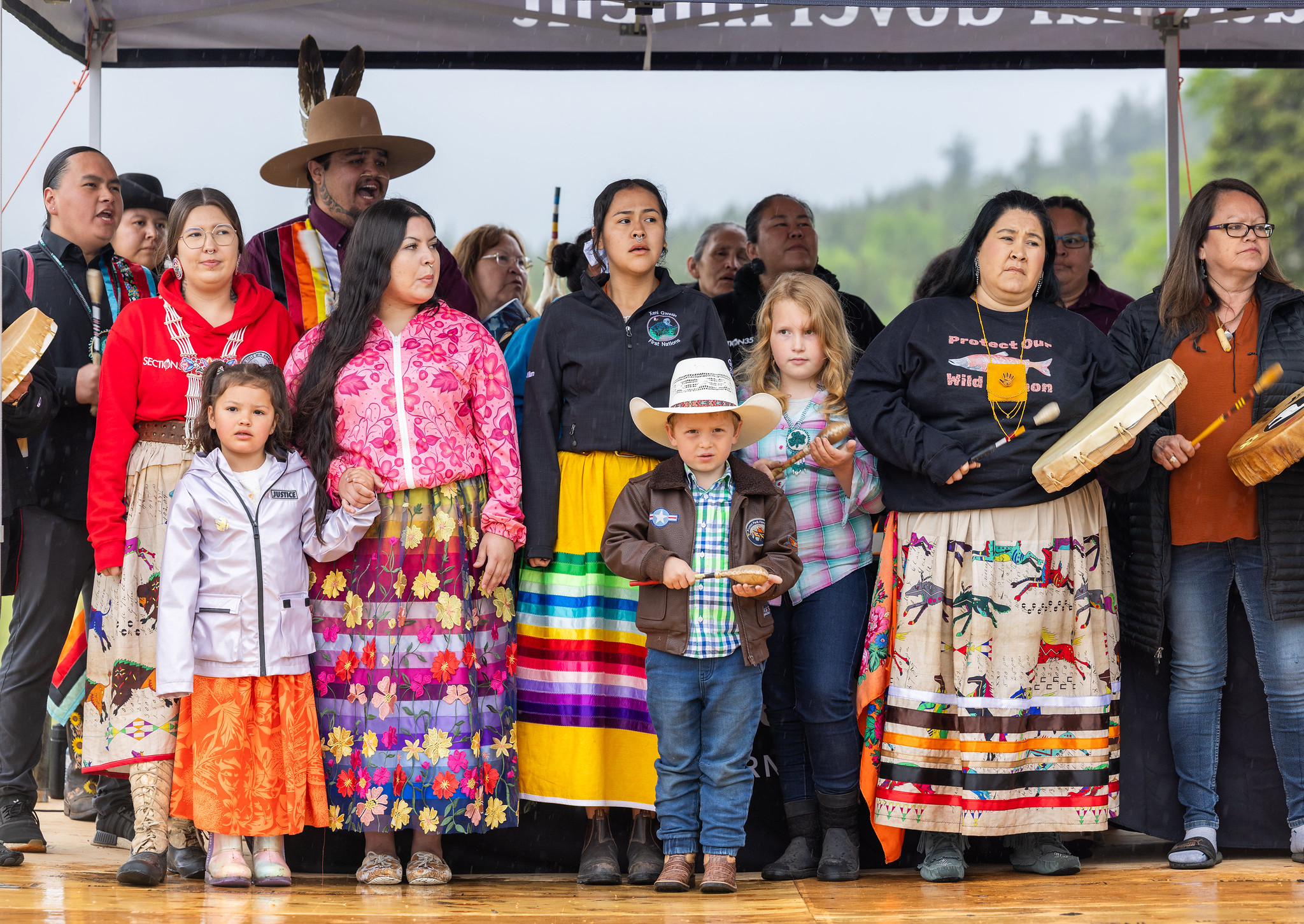 In 2023, 36.8% of Indigenous people in Canada lived in food-insecure households. Food insecurity among Indigenous communities in Canada has been prevalent since the earliest attempts at colonial eradication of these people through forced migration, residential schools and colonial hunting practices. Loss of traditional knowledge and land has made Indigenous Canadians more susceptible to food insecurity due to factors like high food prices, accessibility to groceries and other economic disparities.
The organizations listed below combat food insecurity among Indigenous communities in Canada by reconnecting communities with traditional knowledge and sustainable practices. They focus on education, empowerment and skill-building, offering programs that improve food access, teach cooking and promote cultural practices. These efforts help communities build lasting solutions to food insecurity and enhance self-sufficiency.
Ojibiikaan Indigenous Cultural Network
Ojibiikaan Indigenous Cultural Network, located in Toronto, Ontario, is an Indigenous-led organization that strives to deepen the connection between people and the land. The organization focuses on three key pillars: the education of food and nutrition, implementing sustainable food systems and revitalizing traditional ecological knowledge.
Its programs include a variety of activities such as medicine walks, which is a form of meditation and an Indigenous rite of passage; snowshoeing, which is both a mode of transportation and a sport; sugarbush tapping, which is the collection of maple sap and the boiling of it to make maple syrup; gardening and traditional cooking. Through these programs, Ojibiikaan fosters a more profound respect for the environment while promoting both individual and community well-being.
Qajuqturvik Community Food Center
Qajuqturvik Community Food Center, located in Nunavut, Canada, works to address the significant challenges of food insecurity and high food costs in the region. With food prices more than twice the national average and limited availability of local country food, more than half of the households in Nunavut face food insecurity. Indeed, only a tiny fraction of daily calories come from traditional, locally sourced food.
In response, Qajuqturvik focuses on three key pillars: improving access to nutritious food, developing essential cooking skills and empowering community members to become active voices in advocating for change. The organization’s programs address immediate needs while fostering long-term community growth and self-sufficiency. These include a daily community meal, a food service training program, children’s cooking classes, a community cooking club and a food box distribution initiative.
Working Group on Indigenous Food Sovereignty
Indigenous Canadians established the Working Group on Indigenous Food Sovereignty to bring awareness of food insecurity among Indigenous communities in Canada. Furthermore, the group aims to ensure Indigenous voices are part of discussions surrounding food networks in the province of British Columbia and its major surrounding areas. Members of this organization come from diverse backgrounds, including traditional harvesters, farmers and gardeners, Indigenous community members, academics and researchers, Civil Society Organizations (CSOs), nongovernmental organizations (NGOs) and political advocates.
The organization’s Indigenous Food Systems Network Website connects individuals and organizations involved in Indigenous food-related action, research and policy reform. The Indigenous Food Systems Network is a hub of information about the land, economics, health, ecology, generational care, community and responsibility.
– Nina Bujewski
Nina is based in San Luis Obispo, CA, USA and focuses on Technology and Politics for The Borgen Project.
Photo: Flickr
