Improving Access To Clean Water and Sanitation in the Gambia
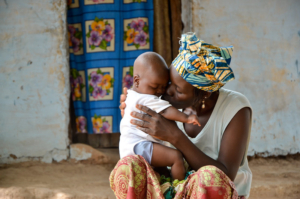 Millions of people lack access to clean water worldwide and millions become infected with unclean water-related diseases each year. Despite this, access to clean water and sanitation in The Gambia has seen an improvement with 90% of the population that began to access cleaner water sources in 2018, up from 86% in 2010, yet only 34% of households have access to safe water systems. Access to clean water and safe sanitation processes are crucial for the people of The Gambia to maintain good health and welfare because unclean water can lead to disease and sometimes death.
The Problem
Clean water and sanitation in The Gambia is not yet widely accessible, but access is improving throughout the country. The most recent Multiple Indicator Cluster Survey was conducted by The Gambian Bureau of Statistics in 2018 and released in 2019. The survey found that e.coli was present in 45.3% of the country’s water sources and 73.2% of the population’s household drinking water. Drinking water sources become contaminated by humans or animals that defecate in nearby areas allowing the transfer of harmful bacteria to get into water. Only 1% of the population is still practicing open defecation; however, harmful bacteria are still found in much of the drinking water.
The study found that more E. coli was present in household drinking water than in water at the source. This suggests that the transfer and storage of water from the water source to the household plays a role in contamination. E. coli can be a serious illness and can include diarrhea, abdominal cramps and urinary tract infections. In some cases, specifically in young children and the elderly, E. coli can become deadly.
Disease can be spread in ways other than drinking contaminated water. Unsafe sanitation and hand washing systems are responsible for the spread of diseases like E. coli as well. Similarly to improved clean water systems, 62% of Gambians gained access to improved sanitation systems in 2018, however, only 30.9% of the population is practicing hand washing with soap. Despite less than half of the country’s population practicing hand washing, 84% of primary schools had washing facilities that met standards in 2018.
Women and young girls in The Gambia face further challenges when it comes to drinking water. The Multiple Indicator Cluster Survey found that in urban areas, 77.8% of women ages 15 and up are mostly responsible for collecting drinking water. In rural areas, the percentage increases to 90.5%.
The Gambia is a very small country, with 57% of Gambians living in urban or peri-urban areas. It is one of the most densely packed countries in Africa. The Multiple Indicator Cluster Survey of 2018 found that 66.8% of Gambians in rural areas must travel up to 30 minutes to get clean drinking water and 12.9% must travel more than 30 minutes. Traveling 30 minutes or more to get drinking water and carrying it back can be a nuisance, especially if the water is contaminated with E. coli.
The Solution
The Gambia Government has input several SDGs to improve the country’s health and welfare. One of these goals — SDG 6 is to “Ensure availability and sustainable management of water and sanitation for all.” With the support of UNICEF, SDG 6 aims to achieve universal access to clean drinking water by the year 2030. SDG 6 also focuses on improving sanitation for all, with a goal to end open defecation and have adequate hygiene and sanitation facilities for all, by the year 2030.
With UNICEF’s support to the WASH sector (water, sanitation and hygiene), drinking water in The Gambia has become more widely accessible. 180,627 people gained access to clean drinking water and sanitation facilities in 2018 which contributed to 90% of improved water access. Clean water and sanitation in The Gambia decreases the likelihood of waterborne illnesses and increases the likelihood of children going to school.
– Jack Wells
Photo: Flickr
