The Nonprofit Ensuring Clean Water in Mexico City
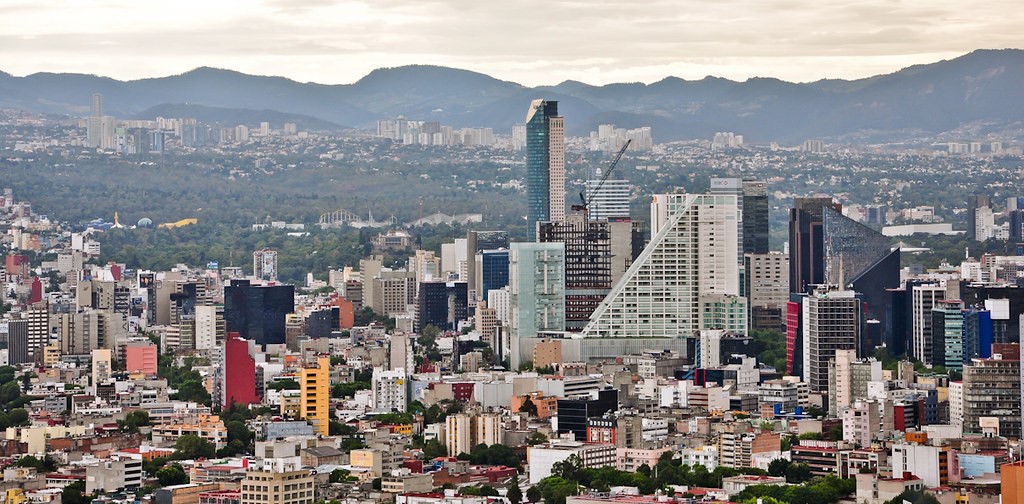
Mexico City, built on a lake, gets more rain than London. Yet, the city is facing a severe water shortage due to mismanagement and the massive growth of the city over the last half-century. Founded by the Aztecs in Lake Texcoco nearly 700 years ago, the city is nestled in a valley, making it especially prone to flooding. In ancient times, people got their freshwater from the surrounding water sources, but they drained them over time as the population increased. In the last 50 years, the city’s population has ballooned to more than 20 million people, exacerbating the crisis. Luckily, an NGO has emerged to provide clean water in Mexico City.
The Situation
Today more than 30% of the water in Mexico City is from far-off lakes and rivers, while the rest comes from an aquifer beneath the city. As people bring water up from the underground aquifer, a new problem arises: the city is sinking. The city has added steps to popular monuments because the bases are now so much higher than the ground around them. Some parts of the city are sinking by more than a foot per year. Many of the pipes that supply the city’s water are over 60 years old and are prone to leaking, with the sinking land making it more difficult to fix them. One government study estimated that Mexico City loses up to 40% of its drinking water to leaks, further draining the aquifer without any benefit to citizens.
While the Mexican government spends billions of dollars trying to manage the city’s water woes, poor residents suffer. Many must depend on unreliable water trucks that bring non-potable water, leaving residents to buy more expensive bottled water or soda for drinking. Trucked water is still valuable for washing dishes and running toilets, but the unreliability of delivery means that one resident in each household typically must always remain at their residence – causing economic losses among the poor.
A Practical Solution
In this precarious and damaging situation, the nonprofit Isla Urbana has found a solution to provide clean water in Mexico City – mass rainwater collection. Isla Urbana installs rainwater collection systems at households in impoverished parts of the city that do not connect to the city water system. A 100 square meter roof is capable of producing up to 100,000 liters of water each year at no cost to residents. The nonprofit describes four key benefits of this system:
- It reduces the flooding that plagues Mexico City by preventing water from going into storm drains.
- It decreases energy use in the form of pumping water or trucking water into homes.
- It provides water independence for families.
- It allows aquifers and rivers to heal and grow as people rely on them less for water resources.
Isla Urbana’s system consists of a gutter on the roof, a pipe to drain the water into a simple filtration system, a chlorinated basin underground and a pipe to bring water up after any remaining particles have fallen to the bottom of the basin. The system can connect water directly to a house’s plumbing system. The initial system does not produce potable water, but it is affordable enough that people can add to filtration systems, reducing the need to buy expensive bottled water. The government also does not charge people for the use of rainwater, freeing up income that citizens would have used to connect to the city water network or to pay for trucked water.
Making Progress
To date, Isla Urbana has installed over 20,000 systems, providing over 120,000 people with access to clean water in Mexico City. Currently, these systems collect over 800 million liters of water each year, the equivalent of over 80,000 water truck deliveries. With the help of funding from aid groups and the Mexican government, Isla Urbana plans to install 100,000 of its systems in Mexico City in the coming years. In the fight against extreme poverty, Isla Urbana is filling a crucial role in providing clean and safe drinking water to those in poverty or at a disadvantage.
– Jeff Keare
Photo: Flickr
