Improving Children’s Learning in Ghana
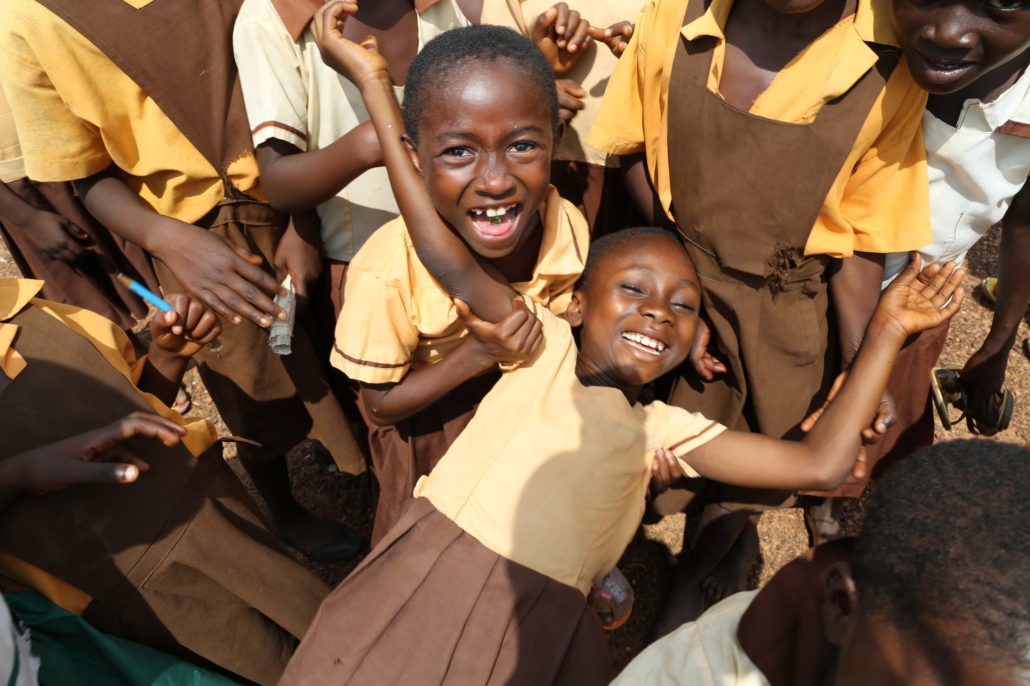
In 1970, Ghana’s educational system was among the most highly developed in Africa. The Ministry of Education (MOE) predicted that all untrained teachers would be removed from the educational system by 1975. Gross enrollment ratios increased significantly, as 60% of primary school teachers received training. However, the country’s economy declined dramatically in the late 1970s, leading to a near collapse of the educational system. The following is an overview of children’s learning in Ghana.
Education in Ghana
The quality of education in Ghana faces significant challenges that impact children’s learning. Almost 80% of children lack basic literacy and numeracy skills. A particularly negative issue is the poor delivery of education across the nation, impacting mostly public schools in rural areas. New research urges immediate action to increase access for all children and improve the reading, writing and math skills of primary school pupils.
Solutions for Improving Children’s Learning
In October 2020, the MOE launched a report that offered an in-depth analysis of fundamental learning in Ghana’s primary education. The report, titled “Spotlight on Basic Education Completion and Foundational Learning: Ghana,” is one of five reports and a continental report in Africa. It was produced in collaboration with the Global Education Monitoring Report of UNESCO and the Association for the Development of Education in Africa. This project offers an analysis of the current state of fundamental education and identifies important solutions for improving children’s learning in Ghana, including:
- Improving School and Teacher Training: Introduce organized resources and assistance for professional development sessions, emphasizing phonics and teaching at the appropriate level. All basic education schools should receive structured leadership training, and basic-level school teachers should have a diploma.
- Investing in Textbooks: Provide children with textbooks and materials in school.
- Decentralization of Education: Increase and promote a more responsive approach to educational needs. Education management, administration policy and finance can transfer some duties to schools, parents, districts and communities to give them authority over how schools are run. It is expected to assist all children in Ghana with a baseline of high-quality education.
- Infrastructure Expansion: Expand infrastructure by building new schools and developing STEM and Arts facilities across the country.
- Removing Levies: Stop levying schools for extracurricular activities to fund sports, culture and mock exams. Doing so would reduce the amount of funding needed for school improvement and assist low-income families who cannot afford the extracurricular charges.
Looking Ahead
The report has made significant progress in providing accessible and high-quality education in Ghana. Estimates show that 77% of children now complete primary school. The country implemented ambitious reforms, such as making senior high school free for all students. It also introduced the “One Teacher, One Laptop” initiative, where school staff received laptops from the government. In 2003, more than $500 million of donor funding went to Ghana’s educational system. From 1986 to 1994, the World Bank helped fund school infrastructure and the provision of textbooks. It also provided additional funding to cover expenses for head teachers’ housing. Despite the challenges that Ghanaian students face in their education, the Ministry of Education commits to prioritizing the aforementioned five main policy areas to improve children’s learning in Ghana.
– Lilit Natalia Manoukian
Photo: Flickr
