Child Poverty in the Gambia
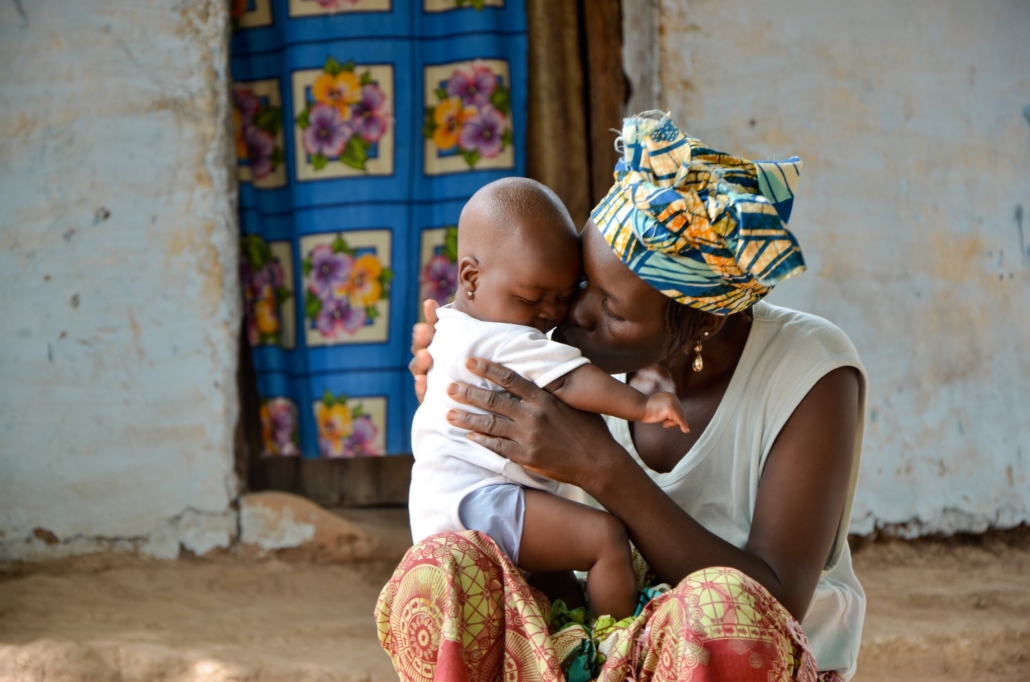
Child poverty in the Gambia is a rampant issue throughout the country. While the smallest country in West Africa, the Gambia’s rising poverty and food insecurity cause significant concern for children’s future safety and health. Despite the attempts to encourage positive change, 48% of the 2.1 million people living in the Gambia live in poverty, and 10.3% of the children suffer from acute malnutrition, with a more significant number being food insecure.
COVID-19 and Poverty
Globally, COVID-19 has struck economies and the healthcare systems of every nation, regardless of size or wealth. Though COVID-19 indiscriminately targeted the world’s populations, the healthcare system’s integrity and economic power were essential in protecting and supporting a nation’s citizens. In August 2020, households with insufficient food intake rose to 22% from 20% in July 2020, with the World Food Programme (WFP) attributing those changes to the pandemic. COVID-19 has more than doubled the quarterly increase of acute malnutrition at 5.6%, impacting approximately 58,177 children.
On top of increasing food insecurity, COVID-19 causes an increase in child poverty in the Gambia as employment decreases and the nation’s food supply decreases. The combining factors in the past two years add to the previous instability in the Gambia that included high rates of poverty and malnutrition.
Child Labor and Abuse
In the Gambia, child labor is a common occurrence, and even child prostitution remains a significant issue within the country. According to the U.S. Department of Labor and the United Nations, minors’ commercial exploitation and trafficking in the Gambia contributes to the illegal sex tourism business. This form of labor is illegal while enforcement and allegations fail to eliminate the reoccurring allegations. Without a robust justice system and significant improvement in entrepreneurship in the Gambia, illegal and horrifying child abuse will likely continue with minimal justice for the victims.
Besides the concerning presence of child prostitution, children ages 5 to 14 are working at a rate of 22.6%, and children attending school while working are at 21.7%. Typical fields of child labor are farming, mining, scavenging or street begging. While the child labor forms are nowhere near the complete list of potential labor fields, the necessity and use of children in the positions reflect the high rates of child poverty in the Gambia.
Education and Poverty
As with any nation, there is a direct association between poverty and education, especially with commonplace child labor. Although there have been slight improvements in education, such as 78% enrollment in primary schools, retention remains a significant issue for Gambian children. Of the 65.5% of students that complete primary school education, only 45.8% enter a lower secondary school and only 29.2% reach an upper secondary school education. The primary concern is approximately 20% of school-age children never enter the education system, reflecting a significant piece of the population unable to reach full economic potential.
Education is an essential aspect of youth in many emerging economies, as it allows individuals to enter specific and unique aspects of the global market. Without education, it can be challenging to improve socioeconomic status or advance development within one’s country. The combined rates of child education and child labor reflect the loss in economic potential and the inability to decrease poverty in the Gambia internally. Child poverty in the Gambia will continue without increasing the assistance to build up the education system and enforce ratified child labor laws. The factors of food insecurity, child poverty and weak systems to combat social issues contribute to the estimation that Gambian children only reach 40% of their full potential.
Looking Ahead
In an attempt to reduce child poverty in the Gambia, NGOs are providing supplies and monetary support to ensure safety, health and education. Child Aid Gambia is one organization that is supporting children, with multiple programs, including Bakoteh Rubbish Dump or Feeding Programmes. The Bakoteh Rubbish Dump spans over one kilometer in each direction and sits in the district of the busy township Serekunda. This dump is one of the largest and most toxic in the Gambia and Child Aid Gambia found children between 4 years old and older scavenging for metal and scraps to sell in the location. The Bakoteh Rubbish Dump Program works to reintegrate the children scavenging the dump back into local schools to ensure their education.
With the high rates of food scarcity, the Feeding Programmes assist the poorest communities by providing high-quality food for families and those suffering from malnutrition, especially with shorter rainy seasons in recent years causing massive drought. The care packages act as lifelines for communities experiencing drought or economic losses stagnating development. Without organizations such as Child Aid Gambia, there would be higher food insecurity and poverty levels throughout the nation. To end child poverty in the Gambia, NGOs and government organizations need to increase support for systemic change for education and ground-level support for food-insecure and impoverished children.
– Mikey Redding
Photo: Flickr
