• Link to X
  • Link to Facebook
  • Link to Instagram
  • Link to TikTok
  • Link to Youtube
  • About
    • About Us
      • President
      • Board of Directors
      • Board of Advisors
      • Financials
      • Our Methodology
      • Success Tracker
      • Contact
  • Act Now
    • 30 Ways to Help
      • Email Congress
      • Call Congress
      • Volunteer
      • Courses & Certificates
      • Be a Donor
    • Internships
      • In-Office Internships
      • Remote Internships
    • Legislation
      • Politics 101
  • The Blog
  • The Podcast
  • Magazine
  • Donate
  • Click to open the search input field Click to open the search input field Search
  • Menu Menu

Archive for category: Water Crisis

Global Poverty, Water, Water Crisis

Drinking Cup Project Improves Access to Drinking Water in Africa

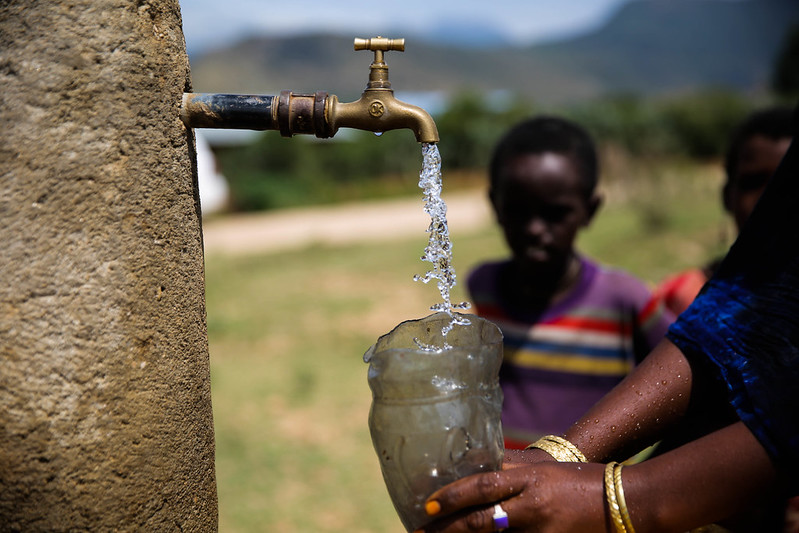
Drinking Water in AfricaAround the world, there are billions of football (or soccer) fans who are passionate about their team and the sport. One football club, Hannover 96 in Germany, is using that passion to do good with the help of local volunteers. By way of the project “Drinking Cups for Drinking Water,” these football fans are improving access to drinking water in Africa and making a difference in some of the most impoverished regions in the world.

How the Project Works

Hannover 96 is a second-tier football club in the city of Hannover, Germany. On average, around 30,000 fans pour into the Hannover 96 stadium on home match days and with the help of the “Drinking Cups for Drinking Water” project, these football fans are able to help improve water access in Africa while supporting their team.

The project, which is run on matchdays by around a dozen volunteers, works by collecting the cup deposits of fans who buy drinks in the stadium. As is the case in many stadiums, Hannover 96 sells these drinks more expensively but offers some money back for returning the cups to the food stands. Alternatively, Hannover 96 fans can give their cups to volunteers stationed in stalls around the stadium as a donation to the “Drinking Cups for Drinking Water” project.

At the end of the match, all the collected cups are then returned to the food stalls by the volunteers and the collected deposit money is donated to the project’s partner organization, the Global Nature Fund. The Global Nature Fund, a German-based nonprofit, then uses the donated money to fund projects that provide more people with access to drinking water in Africa.

Project Success

Now going into its 15th year, “Drinking Cups for Drinking Water” has enabled football fans to make a real difference in a number of countries. Overall, the Global Nature Fund reports that the deposit donations have created better clean water access for 125,000 people in the Ivory Coast, Senegal, South Africa, Malawi and Kenya. This is the result of local projects led by the Global Nature Fund, improving and building wells. These initiatives to provide improved access to drinking water in Africa are significant as the United Nations University Institute for Water, Environment and Health reported that in 2020, more than 50% of people who lacked access to safe drinking water resided in Africa.

In Malawi, for example, funds from the charitable project enabled the creation of three clean water wells at local schools. Given that UNICEF estimates that more than 30% of Malawians do not have access to safe drinking water, improving access to water in the country is an immediate priority. The three wells provide clean water to around 10,000 schoolchildren as well as to households in the local area. To ensure the long-term success of its water access initiatives, the GNF also uses donations to educate local people on maintenance and engineering matters concerning the installations. By doing this, the organization ensures that the communities are able to repair and maintain their water access points while being self-reliant and independent from outside help. This guarantees that football fans are making a difference in the long term and provides work opportunities in the project regions.

Looking Ahead

“Drinking Cups for Drinking Water” looks poised to continue expanding its charitable work and bettering access to drinking water in Africa. In the last season, football fans raised nearly €70,000 for the initiative — a new season record. In the 23/24 season, the project is projected to surpass the donation mark of €500,000 to commemorate its 15th anniversary.

Apart from the increasing generosity of football fans, the project’s volunteers are also expanding the project’s reach by educating other football clubs on the idea, which could lead to more clubs getting involved. The success of “Drinking Cups for Drinking Water” shows that when united for a good cause, football fans are making a difference for people in need and have the power to drastically improve access to drinking water in Africa.

– Patrick Brownlow
Photo: Flickr
September 5, 2023
https://borgenproject.org/wp-content/uploads/borgen-project-logo.svg 0 0 Lynsey Alexander https://borgenproject.org/wp-content/uploads/borgen-project-logo.svg Lynsey Alexander2023-09-05 07:30:392024-05-30 22:32:20Drinking Cup Project Improves Access to Drinking Water in Africa
Global Poverty, Water Crisis

10 Facts about Water Scarcity in Burkina Faso

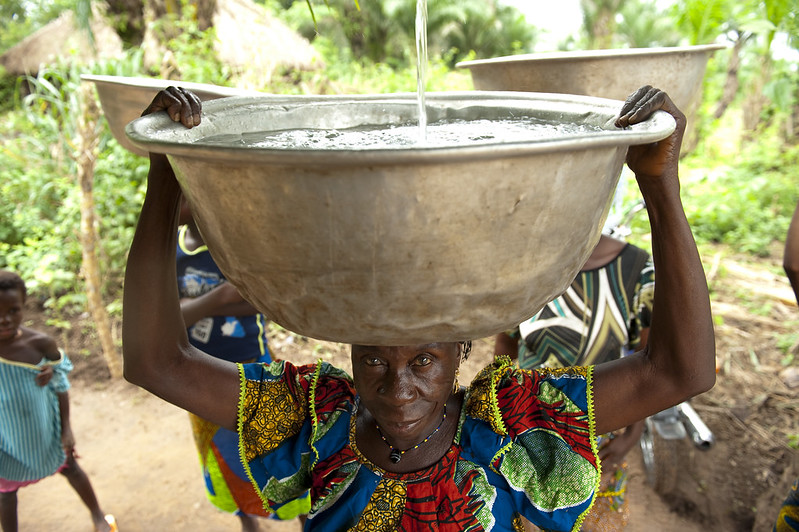
Water Scarcity in Burkina FasoWater scarcity in Burkina Faso is a defining development challenge facing the region. Despite strong economic improvement in recent years, Burkinabè people still face many issues of poverty and water access.
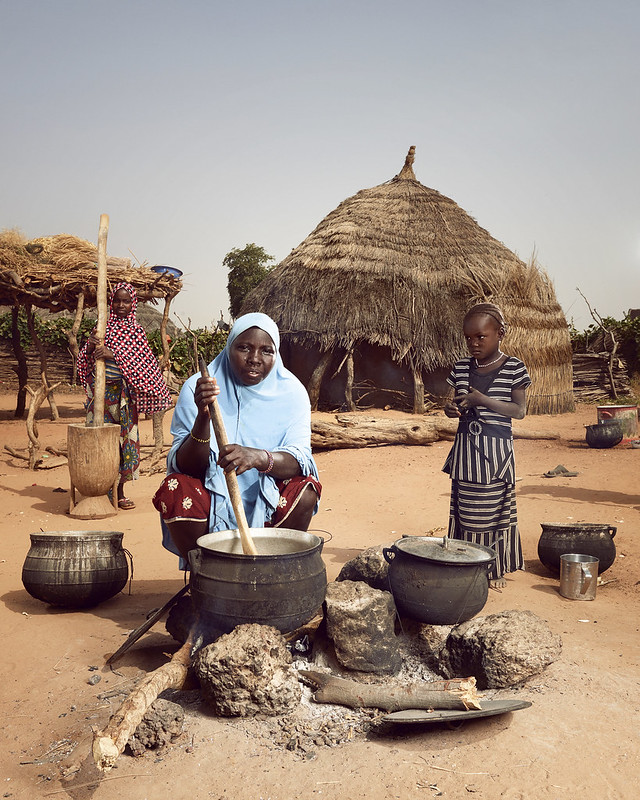
Here are 10 things you need to know about water scarcity in Burkina Faso.

  1. Wealth inequality in Burkina Faso means water inequality. Burkina Faso has a Gini Index of 47, meaning there is high wealth inequality nationally. Additionally, the poverty rate in rural communities is double that of cities. Thus, public health ills like open defecation and nonexistent hygiene practices are far more common for poor farmers and villagers than their wealthy counterparts.
  2. National water provision is messy. Two national organizations officially govern water in Burkina Faso. The Ministry of Water and Sanitation (MWS) and its regional dismemberments oversee national sanitation infrastructure, as well as rural water provision. ONEA, the Office national de l’eau et de l’assainissement (National Office of Water and Sanitation) is the country’s private urban water utility. ONEA only contracts with the MWS to provide water in cities, and the government very clearly differentiates between cities and rural communities. This leaves over 15 million people in agricultural communes and villages throughout the country outside of ONEA’s service area, which means local committees or NGOs must provide supporting infrastructure across the country.
  3. Water access is critical to protecting Burkinabè farmers. Experts in the WASH space estimate more than 15 million Burkinabè citizens work in agriculture. This means protecting irrigation systems is critical to preventing causes of poverty like unemployment, low agricultural productivity and food insecurity.
  4. Refugees fleeing conflict desperately need water. Water scarcity in Burkina Faso is being exacerbated by extremist violence from jihadist groups like Ansaroul Islam. Dozens of water points have been destroyed in recent months, and more than 200,000 people living in northern settlements like Djibo, face the risk of being caught in the crossfire if they try to fetch available water.
  5. Hospitals and health facilities suffer from a lack of water access. Lack of proper sanitation and hygiene in Burkinabè hospitals puts patients at an increased risk of nosocomial infection (an infection that originates in a hospital). Research has found that 61% of health workers don’t practice proper handwashing techniques—not because they don’t want to, but because piped water is often absent from their workplaces.
  6. Burkina Faso mainly faces economic water scarcity. While barriers like infrastructure, maintenance and startup capital fall under the umbrella of ‘economic’ causes of water scarcity in Burkina Faso, ‘physical’ causes such as climate change are still a threat in some areas.
  7. Climate change is putting water infrastructure at risk. Burkina Faso has experienced nearly two dozen climate and water-cycle-related disasters since 2000, affecting millions of people. Additionally, water scarcity in Burkina Faso contributes to the country being one of the most climate-vulnerable on Earth, making environmental crises like flooding, drought and erratic wet/dry seasons devastating to farms and existing drinking water sources.
  8. Structural challenges can impede progress. Ethnic groups like the Gourmantché and Fulani are habitually self-segregated in communes outside Burkina Faso’s major cities, making it difficult to connect them to urban water infrastructure. Additionally, the costs of implementation projects can quickly become insurmountable for working-class citizens, making international aid crucial to getting people access to adequate health care and hygiene education and resources.
  9. Green technology is leading the charge. Sustainable solutions like solar-powered pumps and easy-to-install hand pumps help NGOs reduce water scarcity in Burkina Faso’s health sector and villages. Furthermore, sanitation experts have suggested treating wastewater as a resource, rather than a problem: Methane-rich sanitation waste can be treated and used to generate energy.
  10. Many NGOs are making good progress. Initiative: Eau, Water and Sanitation for All and End Water Poverty are some of the NGOs leading the charge. Many of their investments in WASH projects in some regions have shown to generate an eight-fold return. NGOs in the water-access space meet at the biannual High-Level Political Forum on Sustainable Development and use their regional expertise to advise world leaders on how to address development problems like water scarcity in Burkina Faso.

Though there’s still a lot of work to be done, international NGOs and governments alike have stepped up to the challenge of reducing water scarcity in Burkina Faso.

– Finneas Sensiba
Photo: Pixabay

August 17, 2023
https://borgenproject.org/wp-content/uploads/borgen-project-logo.svg 0 0 Lynsey Alexander https://borgenproject.org/wp-content/uploads/borgen-project-logo.svg Lynsey Alexander2023-08-17 07:30:082023-08-13 23:46:3210 Facts about Water Scarcity in Burkina Faso
Global Poverty, Water Crisis

Water Access in Niger

Water Access in NigerWest Africa’s landlocked country of Niger is home to 24.2 million Nigeriens — 12.8 million of which do not have access to clean water, according to WaterAid. Around 80% of Niger dwells within the confines of the Sahara Desert where temperatures average 40℃, continually proving that access to clean water is hard to come across and in rapid decline. 
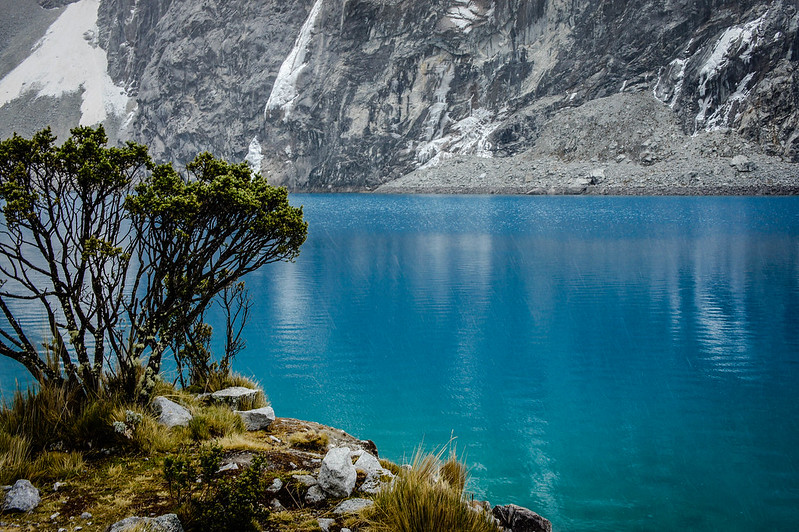
Likewise, 20.6 million people lack proper and acceptable sanitary services, forcing 71% of Nigeriens to practice open defecation. This practice is yielding an increase in septic water across Niger’s urban and rural areas. Due to continuing unsanitary defecation and poor water conditions, bacterial infections such as cholera, trachoma and Guinea worm are spreading throughout Niger. Complications with diarrhea are escalating as the leading cause of death for children under the age of 5, averaging nearly 13,800 annually, according to Water Aid. Additionally, just 22.7% of schools throughout the country have access to drinking water and often lack access to reasonable sanitation facilities.

The Progressive Steps

In 2015, clean water access in Niger received a 7% increase in water sanitary services, as reported by UNICEF. As recently as March 2023, the U.N. and United Nations Economic Commission for Europe are taking steps to increase Niger’s access to clean water, hygiene and sanitation.

Niger is joining a U.N. transboundary water-sharing accord, gaining protected access to Lake Chad, which has seen a decline in volume by 90% in recent years. The country is currently sharing 90% of its water resources with surrounding neighbors Chad and Nigeria. Lake Chad is now under full legal protection after signing into the UNECE Water Convention after the U.N. Water Conference held in March 2023. 

Spiking population and declining food supplies are a growing concern as water access in Niger is actively sought out through the new U.N. transboundary water-sharing accord. “Water scarcity in particular threatens the livelihoods of millions of people who depend on rain-fed agriculture and livestock,” said UNECE. “In recent decades, competition for land, water and food has intensified in the region, leading to increased instability, particularly around Lake Chad and in the Niger River basin.”

Impact of the Water Convention

Niger’s recent acceptance of the Water Convention marks a significant step toward enhancing water resource monitoring across Niger, Chad and Nigeria. Concurrently, UNICEF is actively engaged in Niger, working to enhance clean water accessibility through Water, Sanitation and Hygiene (WASH) initiatives. These efforts are vital as WASH is currently aiding 2.2 billion people globally who lack access to safe drinking water.

In a coordinated approach, UNICEF collaborates closely with Niger’s government to implement solutions, including the installation of small water pipes in growing municipalities. This strategy works alongside behavior change campaigns aimed at eradicating open defecation.

Efforts to improve water access in Niger date back to 2003 when World Vision initiated drilling projects in Niger and Mali as part of the West Africa Water Initiative.

Positioned in rural areas and schools, World Vision’s water stations significantly benefit villages, providing clean water to an individual every 10 seconds.

A Global Look

According to World Vision, the lack of access to clean water globally has decreased by millions since 2000. In 2000, 1.1 billion people lacked clean water, which decreased to 771 million by 2020, benefiting 329 million worldwide.

UNICEF is actively committed to addressing global water scarcity. Its initiatives include locating new water sources through advanced sensors, raising public awareness about water usage and its value and providing technical guidance through WASH programs to enhance water access standards.

– Chandler Doerr
Photo: Flickr

August 8, 2023
https://borgenproject.org/wp-content/uploads/borgen-project-logo.svg 0 0 Lynsey Alexander https://borgenproject.org/wp-content/uploads/borgen-project-logo.svg Lynsey Alexander2023-08-08 01:30:262023-08-08 02:55:17Water Access in Niger
Global Poverty, Water, Water Crisis

Water.org Expands Access To Clean Water in Peru

Access To Clean Water in PeruPeru is a populous South American nation, and both its cities and mountainous regions face a shortage of clean drinking water. Water.org, a non-profit organization that partners with financial institutions to expand access to clean water in Peru, has recently started addressing this issue.
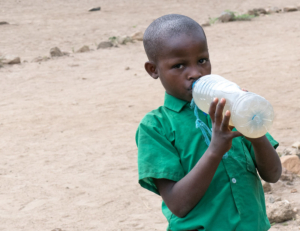
To accomplish its goals, Water.org partners with seven financial institutions, a microfinance association and a federation that represents 11 national banks in Peru. Water.org’s profile of Peru states that 48% of the country’s population lacks access to a safely managed and reliable water source, and the organization aims to remedy that.

The Urban-Rural Divide in Access To Clean Water in Peru

Lima is the capital and urban epicenter of Peru. The mountainous southern region of Peru, popularly known sd “Deep Peru,” is culturally marginalized by Lima, and the quality of life is demonstrably worse in Deep Peru than in Lima. According to a 2021 news article by Americas Quarterly, life expectancy in the rural region of Huancavelica is seven years shorter than in Lima and infant mortality is nearly three times higher in rural Puno than in Lima.

Poverty and Lack of Access To Clean Water in Peru

Rural populations suffer disproportionately from a lack of access to clean water in Peru. A 2021 research study by Vasquéz et al. provides evidence that safe drinking water in Peru is concentrated in the wealthiest households.

At the time of a 2020 report by the Global Living Wage Coalition, the poverty rate in rural Peru was 46%, compared to about 15% in urban areas. A 2021 report by the Peru Support Group adds that extreme poverty affects 12.1% of the rural population while only 2.1% of the urban population suffers a similar fate.

Like poverty, lack of access to clean water in Peru is worse in its rural areas than in its cities. A 2021 report by the Organization for Economic Cooperation and Development (OECD) finds that 4.7% of Peru’s urban population lacks access to public water supply networks, compared to 25.3% of the rural population.

The lack of access to clean water in Peru is not an issue that affects only rural areas, however. According to water.org’s profile of Peru, a sharply rising urban population has led to the development of urban slums where piped water is not accessible.

Misuse of Resources

The lack of clean water in Peru has less to do with scarcity and more to do with misuse. A 2012 Global Majority E-journal article states that despite being one of the world’s top 17 countries with the most freshwater available per capita, Peru is also one of the world’s top 30 countries suffering most from water stress and scarcity.

The Solution: Water.org’s Water Loans

Recent efforts by Water.org and its partners have focused on expanding access to clean water in Peru. Using a program called WaterCredit, partners of Water.org have “disbursed 1.1 million water and sanitation loans over the past few years, providing access to clean water and sanitation to 4.2 million people.”

According to Water.org, WaterCredit brings small loans to those who need access to affordable financing in areas demonstrating a need for safe water and a readiness for solutions involving microfinance.

Water.org partners with more than 150 financial institutions worldwide, and these institutions establish water loans in their repertoire of services. Once a loan is repaid, it can be lent to another family lacking access to clean water.

Outlook

Clean water is a necessity for living that specific populations of urban and rural areas of Peru struggle to attain. Efforts by organizations such as Water.org recognize where the issue exists and whom it affects. And with continued efforts, there is hope for a future where water is more accessible.

– Noel Teter
Photo: Flickr

July 18, 2023
https://borgenproject.org/wp-content/uploads/borgen-project-logo.svg 0 0 Lynsey Alexander https://borgenproject.org/wp-content/uploads/borgen-project-logo.svg Lynsey Alexander2023-07-18 07:30:122023-07-17 00:58:41Water.org Expands Access To Clean Water in Peru
Global Poverty, Water, Water Crisis, Water Quality

Combating the Worldwide Water Crisis

Worldwide Water CrisisCurrently, there is a worldwide water crisis, as 771 million people face a total lack of access to safe water. According to the World Health Organization (WHO), one in three people worldwide does not have access to safe drinking water. The global water crisis has far-reaching consequences for communities across the globe, such as contaminated water-borne diseases, health issues like dehydration, vomiting and diarrhea, as well as economic difficulties. Families may have to spend a significant amount of their income on buying bottled water or traveling lost distances to collect water, which can make it challenging for them to fulfill other basic needs, including food, shelter and education.
Affecting Women and Girls

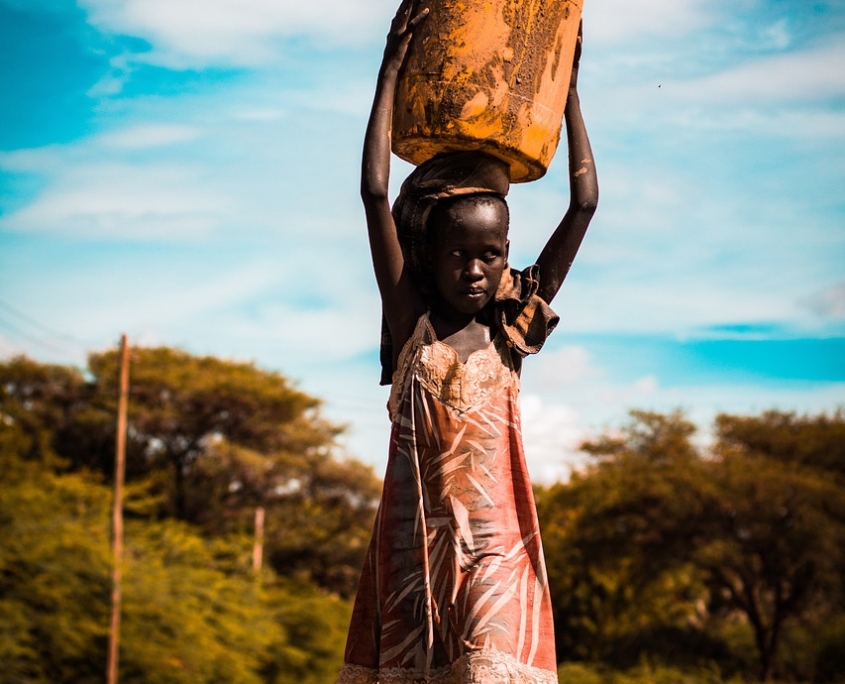
In addition, water scarcity disproportionately affects women and girls because they often experience the burden of collecting water. Spending hours of their days walking to obtain water for their families often limits their opportunities for education, work and social activities. Unsafe sanitation also poses a threat to women and girls, as they face a higher risk of abuse and assault when having to use outdoor toilets or sharing facilities with men and boys.

In 2009, actor Matt Damon and engineer Gary White founded Water.org, a nonprofit organization that aims to provide access to safe water and sanitation to people in developing countries. Water.org combats the global water crisis across 11 countries through affordable market-based solutions.

Global Water Crisis in Numbers

The following five statistics put into perspective the pervasiveness and danger of the water crisis.

  1. Approximately 2 billion people worldwide lack access to clean water, and 3.4 billion do not have proper sanitation facilities, according to Water for People.
  2. According to reports, one in six health care facilities does not have handwashing stations or toilets, which puts millions of people seeking help for health issues at an even greater risk.
  3. Water for People reports that “3.4 million deaths occur each year from water-related diseases.”
  4. On average, women living in rural Africa walk 3.7 miles every day to collect water and carry 40 pounds of it back to their families.
  5. By 2025, half of the global population could live in regions confronted with water scarcity. Furthermore, by 2040, over a quarter of the world’s children will “live in areas of extremely high water stress.”

Water.org combats the global water crisis with urgency and innovation in an effort to reduce the grand scale of water scarcity worldwide.

Water.org’s Mission and Formula

Working in 11 countries across Africa, Asia and Latin America, Water.org combats the global water crisis through market-based solutions to empower communities and make access to safe water and sanitation sustainable. The organization offers two loan programs—WaterCredit and WaterEquity—that have distinct goals and serve different groups of borrowers.

WaterCredit provides small loans to families in developing countries, who lack access to traditional credit and cannot afford to pay upfront for water and sanitation solutions, such as wells, pumps, and toilets. Families repay these loans over time, with the expectation that the borrower will eventually become financially stable enough (now that they can devote their time to other efforts besides collecting water) to repay the loan in full.

The WaterEquity program is an impact investing project that provides funding for water and sanitation enterprises to scale solutions to reach more people. Investors offer small loans for water and sanitation that are repaid over time, potentially receiving a financial return.

WaterEquity helps to attract private capital to the water and sanitation sector, promoting innovation and expanding access to safe water and sanitation. According to Water.org, “The investor can potentially receive a financial return, or re-invest to further their social impact.” This initiative provides sustainable solutions to the global water crisis and offers an “attractive risk-return profile to investors.”

Impact and Achievements

As of 2023, Water.org has provided access to safe water and sanitation to over 55 million people in 11 countries, according to its website. Water.org’s primary initiative, WaterCredit, has helped to mobilize over $4.4 billion in capital for water and sanitation projects. Water.org has enabled communities around the globe to take control of their own solutions and break the cycle of poverty caused by a lack of access to safe water and sanitation.

India’s water crisis is particularly severe. Nearly 600 million people face high to extreme water stress, and “nearly 200,000 people in India die each year due to inadequate access to safe water.” In addition, by 2030, the water demand in India could be “twice the available supply.”

On the bright side, Water.org’s efforts against the global water crisis include 31 local partners in India. Water.org has helped more than 21 million people gain access to safe water and sanitation.

The organization combats the global water crisis through innovative solutions that generate long-lasting and life-changing effects for families worldwide. Overall, the continued efforts of organizations like Water.org present hope for a future where safe water and sanitation are accessible to all.

– Skye Connors
Photo: Flickr

June 30, 2023
https://borgenproject.org/wp-content/uploads/borgen-project-logo.svg 0 0 Kim Thelwell https://borgenproject.org/wp-content/uploads/borgen-project-logo.svg Kim Thelwell2023-06-30 01:30:362023-06-26 04:43:51Combating the Worldwide Water Crisis
Global Poverty, Water, Water Crisis, Water Quality

Addressing Worldwide Freshwater Crisis

Freshwater CrisisThe freshwater crisis is one that calls for attention, as water is an essential resource to all living organisms and ecosystems because it provides support to biological functions through the transportation of nutrients, regulation of body temperature and optimal digestion. It sustains life through biodiversity, productivity and adaptability to environmental changes to foster ecological processes.
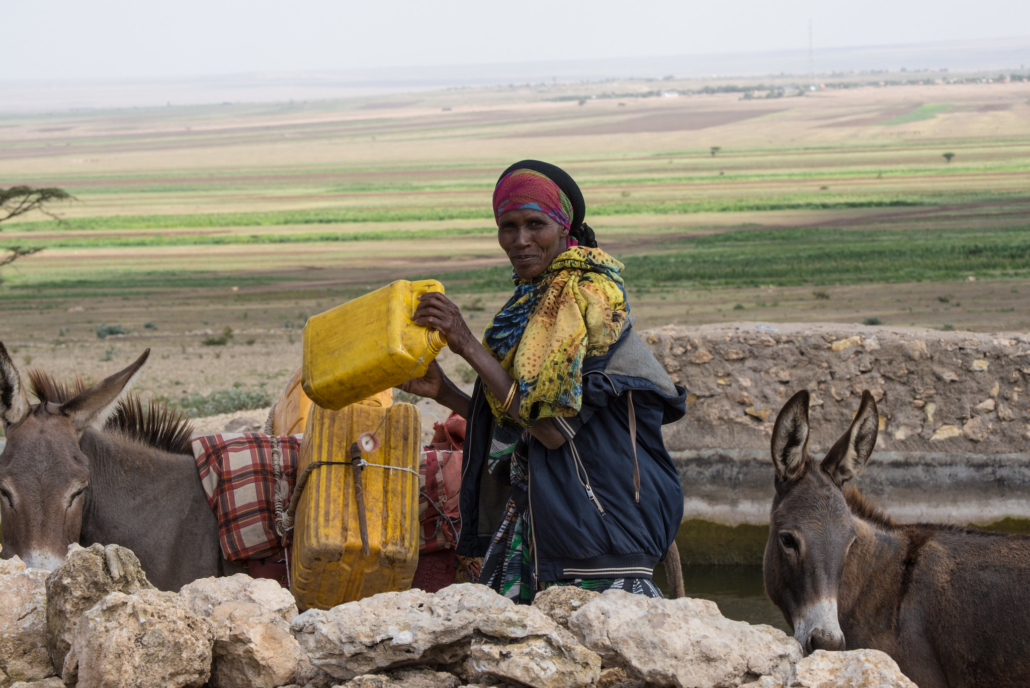
According to the United States Bureau of Reclamation, approximately 3% of the Earth contains fresh water while the other 97% is saltwater. However, over 68% of the freshwater is in glaciers and polar ice caps, with another 30% in the soil, thereby rendering extraction difficult and expensive. The limited accessibility hampers fulfilling the expanding demand for freshwater resources and exacerbates the current worldwide freshwater crisis.

Earth’s Freshwater Poverty

Water scarcity intensifies as demand for freshwater rises as a result of population development, urbanization and industrialization, all of which diminish the availability of freshwater resources. Other causes that contribute to freshwater depletion include and over-extraction of groundwater.

Freshwater resources are not fairly distributed throughout the world, resulting in discrepancies in access and availability. Some areas, notably dry and semi-arid ones, suffer from chronic water scarcity, whereas others have copious freshwater supplies. This disparity could exacerbate socioeconomic inequities and lead to conflicts over the accessibility of water.

Consequences of Limited Access to Freshwater

Limited access to freshwater impacts human health. Waterborne diseases like cholera and typhoid flourish in contaminated and poor water sources. A lack of sufficient hygiene and sanitation facilities, particularly in developing countries, further exacerbates these health problems.

According to the World Bank, 70% of freshwater finds its use in agriculture, and this represents the largest consumption of freshwater globally. Water scarcity could have a negative impact on crop production, food security and livestock, affecting overall agricultural efficiency and productivity. The limited access to water for irrigation could force farmers to rely on unsustainable practices, such as inefficient water distribution, limiting crop yields from diversifying and exacerbating the cycle of water scarcity and food insecurity.

The freshwater crisis affects many sectors in the water-intensive sectors, leading to economic consequences. Marginalized communities, particularly women and children, face the brunt of water scarcity because of the need to frequently transport water across great distances. This has a limiting effect on educational and economic empowerment. Moreover, limited access to water contributes to poverty and socio-economic inequalities due to the lack of job opportunities and overall economic productivity.

Overcoming Challenges

An Engineering study reveals an innovative way of capturing water from naturally occurring sources, notably fog and dew. Researchers at NYU Abu Dhabi found a novel water-collecting technique using the spontaneous condensation of water vapor onto the surface of an organic crystal undergoing sublimation.

The researchers discovered that as the crystal’s surface sublimated, microscopic channels with varied widths formed, allowing condensed water to travel over the crystal’s surface. This process was responsible for the autonomous flow of dust and metallic nanoparticles along the channels. The researchers discovered a new approach to promote water flow over solid surfaces by exploiting the phenomenon of water condensation and the changing dimensions of the channels.

Efforts to achieve autonomous water flow have traditionally put an emphasis on surface chemical modifications or built microchannels. However, this work takes a completely new approach which was inspired by the natural flow of water over solid surfaces. The authors emphasize the significance of this phenomenon because natural creatures have evolved to efficiently move water for various life-supporting activities, even defying gravity in the case of plants.

This study has far-reaching ramifications, however, the research is still ongoing. These discoveries have the potential to inspire the development of novel methods that maximize the effectiveness of collecting water from atmospheric humidity, providing a new option for solving the global freshwater crisis.

Looking Ahead

The freshwater crisis remains an issue that requires proactive measures in order to secure a future of sustainable water supply. And while the discovery of humidity-capturing crystals presents a promising solution, reports suggest that further research is necessary to optimize the development of the project.

– Cherine Jang
Photo: Flickr

June 23, 2023
https://borgenproject.org/wp-content/uploads/borgen-project-logo.svg 0 0 Jennifer Philipp https://borgenproject.org/wp-content/uploads/borgen-project-logo.svg Jennifer Philipp2023-06-23 01:30:032023-06-21 04:44:05Addressing Worldwide Freshwater Crisis
Global Poverty, Water Crisis

A Closer Look at the Water Crisis in Somalia

Water Crisis in Somalia
As the water crisis in Somalia continues so too does the threat to all Somalian lives. The country, alongside neighboring regions, is experiencing the most severe drought in 40 years and, with the April to May rains predicted to be at subnormal levels, the situation is only likely to worsen. To attribute the dire conditions and water supply issues to the current drought would be an oversimplification. Levels of rain largely impact any water supply, particularly in Somalia, which is part desert and has only two permanent rivers. But, one needs to consider the systemic failings alongside this in order to fully understand the gravity of the situation that prevails in Somalia.

A Lack of Resources and Regulation

According to the Somalia Water Shortage Update, by April 23, 2022, an estimated 4.2 million people in Somalia faced “severe water shortages.” The civil war, which has now raged for three decades, has had a profound impact on the country’s water systems with a lack of governance and regulation in place to coordinate and/or advance any existing framework.

The WHO-UNICEF Joint Monitoring Programme (JMP) 2019 – SDG report said, “40% of existing water sources are non-functional,” resulting in shortages across the country. “Weak water supply management models” and the high costs of operating and maintaining water systems stand as some of the reasons behind the lack of functional water sources.

At the government level, there is a lack of accountability, which makes planning and regulation impossible. As researcher Mourad Khaldoon notes in a study published in 2022, “Somalia is not a water-scarce country, it lacks good water governance.”

The continued civil unrest and humanitarian crises put further strain on an already strained system. The ongoing conflict has led to the internal displacement of about 3 million people in Somalia. This has led to the overuse of groundwater pumps and increased strain on infrastructure, leaving those in search of water found wanting. The hefty water costs of more than a dollar per cubic meter and the long distances individuals must travel to obtain water, along with the potential contamination of water, continue to be the greatest challenges for the poorest.

Water Contamination in Somalia

Without sufficient supply, desperation takes hold and those in need are reduced to conditions that leave them vulnerable to illness. The connection between supply and sanitation is important to consider. As supply decreases, the already limited resources are shared, resulting in water contamination. Somalia’s greatest source of water, accounting for 80%, is groundwater. But, groundwater is subjected to high levels of pollution due to a number of factors, including the extensive use of pit latrines and shallow underground tanks; high rates of open defecation; livestock and humans sharing the same water points and inappropriate wastewater disposal.

Surveys conducted in 2019 at water points by the UNICEF Somalia Country office indicated “high levels of fecal contamination in water supplies at source, point of collection and point of use.” Without any robust measures in place to regulate the quality of water, the spread of disease is inevitable. Similarly, a lack of education about sanitation further compounds existing issues as at-risk communities lack insight into water contamination and the risks of consuming such water.

The Humanitarian Impact

The WHO says, “No intervention has greater overall impact upon national development and public health than the provision of safe drinking water and proper disposal of human waste,” the Muslim Hands website highlights.

The continued drought in Somalia only serves to heighten the existing water crisis in Somalia. A water assessment published in 2019 with the support of UNICEF highlighted that 2.7 million people required humanitarian aid in the form of water, sanitation and hygiene (WASH) support. Specifically, one-third of households reported a lack of “sufficient drinking water” and about half reported a lack of access to improved latrines, improved water sources and soap.

Thirst is forcing people to make perilous journeys displacing the population while a lack of resources and sanitation are increasing the risk of contracting easily preventable diseases. As these conditions continue, the country continues to fall into further poverty, and while rain is unlikely to provide a long-term solution for Somalians, it would at least provide some level of hope to those suffering most.

UNICEF’s Response in Somalia

UNICEF’s response to the water crisis in Somalia is comprehensive. UNICEF provides the Somali government with support to establish sustainable water systems and helps improve access to toilets while encouraging proper hygiene practices in communities and an end to open defecation. UNICEF also helps the government to link more education facilities to clean water supplies. Additionally, UNICEF is helping the country to maintain and rehabilitate water and sanitation systems, among other efforts.

Humanitarian efforts by organizations such as UNICEF will continue to support Somalia in its water crisis be it through emergency water supplies and practical maintenance or education while The Borgen Project continues to foster upstream change through advocacy, appealing for more U.S. attention to the water crisis in Somalia.

– Rebekah Crilly
Photo: Flickr

March 26, 2023
https://borgenproject.org/wp-content/uploads/borgen-project-logo.svg 0 0 Kim Thelwell https://borgenproject.org/wp-content/uploads/borgen-project-logo.svg Kim Thelwell2023-03-26 07:30:502023-03-26 03:58:31A Closer Look at the Water Crisis in Somalia
Global Poverty, Water, Water Crisis

4 NGOs Fighting Water Scarcity in Ethiopia

Water Scarcity in Ethiopia
Only
57% of Ethiopians have access to clean water today. Time spent searching for clean water, a place to use the bathroom and money spent to treat waterborne illnesses contributes to the poverty crisis by impeding education and potential financial growth. These are four NGOs fighting water scarcity in Ethiopia.

Water4Ethiopia

Water4Ethiopia is an independent charity based in London working to improve water insecurity in Ethiopia. The organization has helped about 5,300 Ethiopians access clean water.

In many parts of Ethiopia, safe water is in relatively shallow ground, but the water supply is easily contaminated. Water4Ethiopia works with people local to the area to construct a protected hand-pumped well and treat it with a small amount of chlorine. Water4Ethiopia builds capped springs that transfer water to distribution points.

Water4Ethiopia has installed capped springs that move water to distribution points in Beku Golba, Saglie and Dodo. Hand-dug wells with pumps to distribute water have improved water conditions in Ababari, Kolle, Kidanemihret, Lower Woibla, Maje-Azwara, Mewagna and Kufif. Water4Ethiopia also implements hygiene and sanitation programs to ensure safe, clean water is readily available.

There are in-progress projects that Water4Ethiopia organized to meet its mission to end water scarcity in Ethiopia. Water4Ethiopia hopes to implement hand-dug wells with hand pumps in communities such as Lolo and Marwenz.

Lifewater

Lifewater is an organization that focuses on regions that are hard to reach and implements custom solutions to improve water scarcity in Ethiopia. Lifewater has built over 500 water sources in more than 395 villages. About 88% of WASH solutions are still running, and more than 198,000 people have improved their water sanitation. A core value of Lifewater is “serving the least, the lost, and the last.”

There are five types of custom water solutions engineers at Lifewater use that include hand-dug wells, drilled wells, protected springs, rainwater harvesting and rehabilitated wells. A team of engineers collaborates with the community to determine the best approach for a specific community. Every village is different in its resources, population, distance from water sources and time spent in line waiting for water.

Testing water quality has allowed 88% of water solutions to remain in place and continue to provide communities with water. The goal is to meet the WHO guidelines for having international water sources within one kilometer of one’s house with waiting times of less than 30 minutes.

Lifewater lists fundraisers on its website and shares periodic updates for funding and the progress of water solutions. Recently completed water projects in Ethiopia include hand-pumped wells in Erbaye Huleti, Kenchota and Shefele.  

The Millennium Water Alliance Ethiopia Program

The Millennium Water Alliance (MWA) has created a sustainable water, hygiene and sanitation (WASH) program outlining a five-year plan to help Ethiopia attain clean, low-cost water by 2030. This plan prioritizes increasing access in schools and hospitals, the functionality of water solutions and budgeting to ensure solutions last.

The MWA has recently taken a broader approach to improve water conditions. The organization considers the big picture rather than only focusing on infrastructure by focusing on sustainability to ensure water solutions operate long-term.

Researchers at the MWA utilize water point data to determine which districts in Ethiopia need WASH assistance. The Water Point Data Exchange (WPdx) works alongside the WASH program to monitor water accessibility and cleanliness in regions. Reporting collected data on the WPdx allows for collaboration between NGOs and the Ethiopian government to allocate resources.

The MWA also continues to learn about water scarcity in Ethiopia and effective methods to share with other NGOs or government organizations to recreate similar infrastructure in other regions. Thus far, the MWA has successfully provided clean water in Ethiopia for more than 2 million people in hard-to-reach areas.

Hope H2O

Hope H2O is a Canadian volunteer organization that develops educational and WASH projects in Ethiopia. Its mission is to enhance water sanitation and quality of life for Ethiopians. Dating back to 2010, Hope H2O has assisted more than 25,000 Gimbichu District residents.

Hope H2O strategies include large concrete reservoirs, water taps, drains and technology to track usage. All materials used for infrastructure came from Ethiopian merchants and community members that professional plumbers and masons assisted.

The organization works to ensure water points are accessible to most of the community and that the community understands proper sanitary procedures to keep water access points clean. Hygienic methods taught include consistent hand washing and designated family latrine pits that will not contaminate nearby water sources.

Work done in the Menjigsso Gora community improved an old government-installed pump and stationed a generator to extract safe water into a reservoir with a wide service zone. Creating water points in the local elementary school improved school conditions and education in the community, as it was previously difficult to retain teachers.

Hope H2O is currently in phase two of its project in Germama Village. The project entails the construction of sanitary water facilities and community sanitation education. COVID-19 and political unrest halted progress for about six months in 2020 until construction resumed.

Looking Ahead

Access to clean water is a human right vital for the health of Ethiopians and the fight against global poverty. Without water, families are unable to handle other factors contributing to their financial state. It is important to ensure every person has access to basic human needs and these NGOs are working towards that goal.

– Mikada Green
Photo: Flickr

November 7, 2022
https://borgenproject.org/wp-content/uploads/borgen-project-logo.svg 0 0 Naida Jahic https://borgenproject.org/wp-content/uploads/borgen-project-logo.svg Naida Jahic2022-11-07 01:30:542024-05-30 22:30:254 NGOs Fighting Water Scarcity in Ethiopia
Global Poverty, Water, Water Crisis

3 Organizations Fighting Cambodia’s Drinking Water Crisis

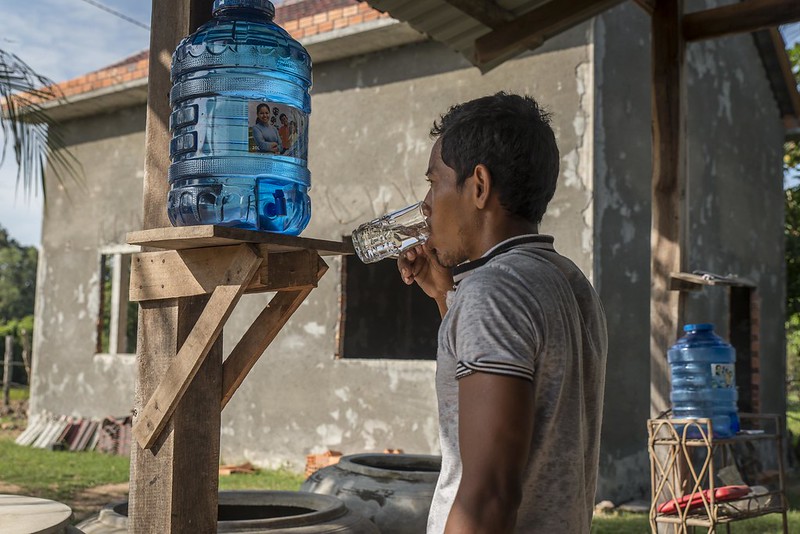
Cambodia’s Drinking Water CrisisCambodia is a Southeastern Asian country known for drastically decreasing its poverty rates from 47.8% of the population in 2007 to 13.5% in 2014. Despite a reduction in poverty rates, Cambodia suffers from a drinking water crisis due to a lack of sanitation. The consequences of this crisis are life-threatening, however, a number of organizations are fighting Cambodia’s drinking water crisis to maintain its climb to prosperity.
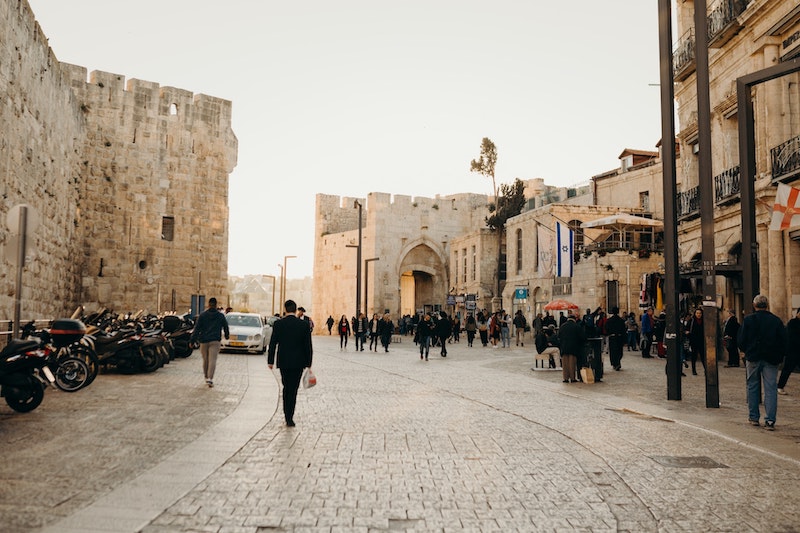
Cambodia’s Drinking Water Crisis

One in three Cambodians drinks water from a non-improved or non-reliable source. While the country has improved in sanitation, this improvement is primarily present in urban areas such as Phnom Penh, which is Cambodia’s capital. Basic sanitation in urban areas increased from 49% to 88% in 2015, but only 39% of the rural population has basic sanitation, and only 24% drink water from a clean, regulated water source. Children in rural areas are also two times more likely to drink from contaminated drinking sources than urban children. Seeing as how 61% of the Cambodian population lives in rural areas, it is clear that the majority of the population is suffering.

Moreover, eight in 10 Cambodians living in rural areas defecate in open bodies of water due to a lack of toilets, according to UNICEF. This open defecation leads to coliform and E. coli, which are both disease-causing bacteria, in drinking water. Sadly, diarrhea contributes to most of the under-five child deaths in Cambodia and can lead to stunted and impaired brain development.

Water.org

Starting its work in Cambodia in 2014, Water.org is a global nonprofit that brings clean water and sanitation to countries around the world. The organization uses microfinance, which is a service provided to those who usually don’t have access to banking or financial services. Water.org, through its WaterCredit Initiative program, partners with financial institutions willing to supply small loans to locals. These locals then use the loans to install toilets in their homes so they no longer have to defecate in open bodies of water.

The organization had a goal of reaching 300,000 Cambodians in three years, but they met the goal in two. Overall, in Cambodia, Water.org has reached 1.9 million people, disbursed 435,000 loans and achieved an average repayment rate of 99%.

Cambodians Community Dream Organization (CCDO)

Working in Cambodia for 15 years, the Cambodian Community Dream Organization (CCDO) aids villages surrounding Siem Reap through its Clean Water program. Through the program, the organization has provided ceramic filters as an alternative to boiling to save fuel, hygiene workshops to educate locals on the importance of hand-washing and over 1,500 water wells.

The most notable part of the CCDO’s work is its water well repair program. The CCDO does not believe in building wells and does not consider the future damages to the wells. Instead, they provide a program that works to regularly examine, replace or fix worn wells.

In addition to the Clean Water program, the organization has also installed 600 latrines since January 2014.

Clear Cambodia

Formed in 2010, Clear Cambodia is a local NGO that recognizes the consequences of E. Coli infections. The organization emphasizes how they are a program run for Cambodians by Cambodians. The organization has impacted 2,527,628 Cambodians through its projects.

Clear Cambodia is famous for fighting against Cambodia’s drinking water Crisis through their household biosand filters. Biosand filters are an adaptation to sand filters found in nature as the sand and gravel remove pathogens and other solids from water. Biosand filters can remove up to 98.5% of bacteria from contaminated drinking water. Clear Cambodia has provided 339,662 biosand filters to households and an additional 1,547 biosand filters to schools. In addition to these filters, the organization has also allocated 236,140 handwashing tools,  installed 11,206 household latrines, implemented 1,539 handwashing stations and provided 212 wells.

A Better Future

As Cambodia’s poverty rates decrease, its drinking water crisis does not seem too far behind. Cambodia’s government is committed to reaching 100% coverage of rural sanitation services by 2025, as evidenced by a bold 14-year plan drawn out in 2011. With organizations like Water.org, the CCDO and Clear Cambodia doing their part to fight the drinking water crisis, there is great optimism that the nation will make it through this challenge in good time.

– Blanly Rodriguez
Photo: Flickr

October 27, 2022
https://borgenproject.org/wp-content/uploads/borgen-project-logo.svg 0 0 Naida Jahic https://borgenproject.org/wp-content/uploads/borgen-project-logo.svg Naida Jahic2022-10-27 07:30:232024-05-29 23:10:263 Organizations Fighting Cambodia’s Drinking Water Crisis
Global Poverty, Water Crisis

4 Methods Used to Solve Israel’s Water Crisis

Israel’s Water Crisis
Many parts of the Middle East struggle to acquire adequate freshwater for household, agricultural and industrial use. Many factors have compounded the problem including a growing population, rising standards of living and more frequent drought, desertification and salinization, and all of these put a strain on water resources in an already parched region. However, since 2007, Israel has implemented numerous technological and organizational measures to increase its water security, to great success. Around the end of the 2000s, decades of drought in the Fertile Crescent and record low levels in the Sea of Galilee – Israel’s largest body of freshwater – prompted the government to focus on Israel’s water crisis and build resilience for the future.

4 Methods Used to Solve Israel’s Water Crisis

  1. Water Recycling. The national water authority built water treatment systems that recycle the water from drains to use for agricultural irrigation. Israel now recycles 86% of its drain water, the most in the world, with Spain a distant second at 19%. Furthermore, low-flow toilets and shower heads were installed across the country.
  2. Monitoring Leaks. Leaks in pipes and water systems can cause serious water loss. The World Bank estimates that on average countries lose 30% of their piped water to leaks. To solve Israel’s water crisis, Israelis invented technology to monitor and discover leaks early on. As a result, Israel now only has a leakage rate of 7-8%.
  3. Desalination. This has been the most important and far-reaching measure to solve Israel’s water crisis. For the last two decades, Israel has been extracting salt from Mediterranean seawater with reverse osmosis, converting it into drinkable water for the nation. Desalination is not a technique exclusive to Israel–around 300 million people worldwide get their water through desalination. Along the Israeli coast, there are five desalination plants that now provide almost all the nation’s tap water.
  4. Adding Water to the Sea of Galilee. Although the Mediterranean now provides most household water in Israel, the Sea of Galilee remains a crucial source of water for irrigation, in addition to its ecological and climatological importance. Yet, it can experience high fluctuation of its water levels due to short and long-term drought. To remedy this, the Israeli government is building a pipe that will carry desalinated water 31 kilometers to the Sea of Galilee’s tributary when the water level drops.

The techniques used to solve Israel’s water crisis show what the future may look like for arid regions, especially coastal ones. Hopefully, with the increasing adoption and affordability of techniques such as desalination, more countries can improve their water security.

– Emilie Zhang
Photo: Unsplash

October 9, 2022
https://borgenproject.org/wp-content/uploads/borgen-project-logo.svg 0 0 Naida Jahic https://borgenproject.org/wp-content/uploads/borgen-project-logo.svg Naida Jahic2022-10-09 07:30:132022-10-07 11:32:224 Methods Used to Solve Israel’s Water Crisis
Page 5 of 11«‹34567›»

Get Smarter

  • Global Poverty 101
  • Global Poverty… The Good News
  • Global Poverty & U.S. Jobs
  • Global Poverty and National Security
  • Innovative Solutions to Poverty
  • Global Poverty & Aid FAQ’s
Search Search

Take Action

  • Call Congress
  • Email Congress
  • Donate
  • 30 Ways to Help
  • Volunteer Ops
  • Internships
  • Courses & Certificates
  • The Podcast
Borgen Project

“The Borgen Project is an incredible nonprofit organization that is addressing poverty and hunger and working towards ending them.”

-The Huffington Post

Inside The Borgen Project

  • Contact
  • About
  • Financials
  • President
  • Board of Directors
  • Board of Advisors

International Links

  • UK Email Parliament
  • UK Donate
  • Canada Email Parliament

Get Smarter

  • Global Poverty 101
  • Global Poverty… The Good News
  • Global Poverty & U.S. Jobs
  • Global Poverty and National Security
  • Innovative Solutions to Poverty
  • Global Poverty & Aid FAQ’s

Ways to Help

  • Call Congress
  • Email Congress
  • Donate
  • 30 Ways to Help
  • Volunteer Ops
  • Internships
  • Courses & Certificates
  • The Podcast
Scroll to top Scroll to top Scroll to top