• Link to X
  • Link to Facebook
  • Link to Instagram
  • Link to TikTok
  • Link to Youtube
  • About
    • About Us
      • President
      • Board of Directors
      • Board of Advisors
      • Financials
      • Our Methodology
      • Success Tracker
      • Contact
  • Act Now
    • 30 Ways to Help
      • Email Congress
      • Call Congress
      • Volunteer
      • Courses & Certificates
      • Be a Donor
    • Internships
      • In-Office Internships
      • Remote Internships
    • Legislation
      • Politics 101
  • The Blog
  • The Podcast
  • Magazine
  • Donate
  • Click to open the search input field Click to open the search input field Search
  • Menu Menu

Archive for category: War

Aid, Global Poverty, War

How the War in South Lebanon Is Ruining Its Economy

War in South LebanonLebanon’s progress under the United Nations (U.N.) Sustainable Development Goals (SDGs) has been stagnant at best since its financial crisis in 2017 and the 2020 Beirut blast, which left 300,000 people displaced and more than 200 people killed. Since then, the South of Lebanon has also found itself at war with Israel, which has further worsened the economic situation in the country.

The War in South Lebanon

The skirmishes between Hezbollah in South Lebanon and Israel have been ongoing since the beginning of the Gaza war on October 7, 2023. On May 28, 2024, after Israel’s aerial strike on Rafah, Hezbollah’s missile attacks reached an all-time high, getting up to 3,000 rockets, leaving 86 settlements in Northern Israel heavily damaged.

Israel has been responding with aerial attacks that have left most of the villages in Southern Lebanon uninhabitable, forcing many to flee either to Beirut or the mountains. According to the International Organization for Migration’s (IOM) Displacement Tracker Index, some 86,000 people have been displaced and 51% of those displaced are women.

Since the beginning of the war, Lebanon has remained the country with the highest displaced population per capita in the world, totaling 2.47 million and including Syrian and Palestinian people as well.

The Olive Trees Crisis

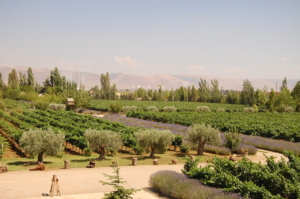
Agriculture is a major source of income in Southern Lebanon. It employs hundreds of thousands. The olive oil business, in particular, makes up 7% of Lebanon’s agricultural gross domestic product (GDP) and provides some 110,000 farmers with their livelihoods.

This has been greatly affected by Israeli airstrikes on agricultural land. Additionally, the use of white phosphorus bombs, which the Lebanese Ministry of Environment claims, has increased the amount of phosphorus 900 times above healthy levels, specifically in areas targeted by the Israeli military.

The damage to the land in this area is incredibly poignant, considering that approximately 12 million trees cover the farming land used in the olive oil business and that this farming land makes up almost one-quarter of the country’s total agricultural area.

How the UN is Helping

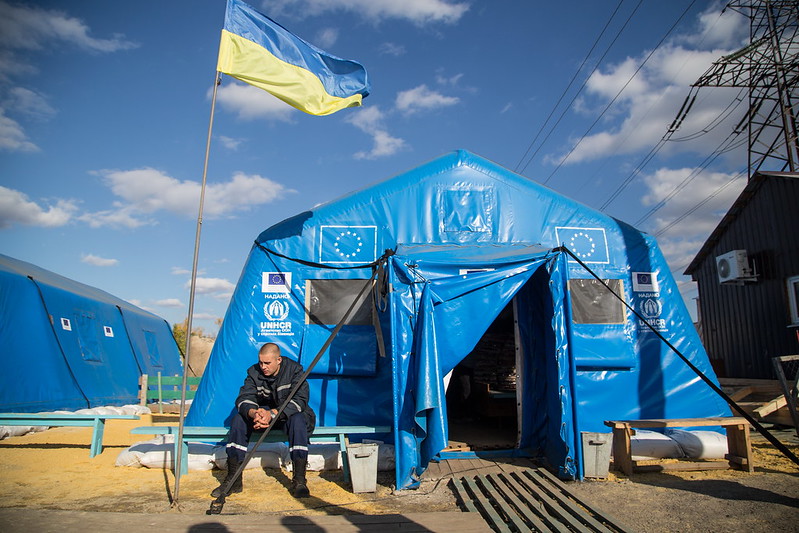
Under the Regional Refugee Resilience Plan by the United Nations High Commissioner for Refugees (UNHCR), the Inter-Agency unit in Lebanon has accomplished significant milestones in assisting the country with absorbing and managing its large displaced population.

Since the beginning of the war, the unit has supported 22,196 small-scale farmers through education and the provision of essential materials to rural and underserved areas. The unit has also been directly providing aid to shelters, dishing out 209,109 daily meals to the inhabitants of Saida and Tyre’s shelters.

While the situation as a whole remains somewhat dire, U.N.-funded organizations and other charitable institutions have been providing immense help to the underprivileged people of Southern Lebanon. However, they are receiving only 13% of their required budget, making lobbying an even more urgent duty to us all.

– Carl Massad

Carl is based in Sarba, Jounieh, Lebanon and focuses on Politics and World News for The Borgen Project.

Photo: Flickr

June 14, 2024
https://borgenproject.org/wp-content/uploads/borgen-project-logo.svg 0 0 Lynsey 2 https://borgenproject.org/wp-content/uploads/borgen-project-logo.svg Lynsey 22024-06-14 01:30:102024-06-13 13:27:09How the War in South Lebanon Is Ruining Its Economy
Global Poverty, Humanitarian Aid, War

Foreign Aid to Ukraine

Foreign Aid to UkraineUkraine has been at war with Russia since February 24, 2022, yet it remains resilient. Foreign aid to Ukraine has become a crucial lifeline, extending crucial humanitarian, economic and military support to the nation. The largest contributors to foreign assistance to Ukraine are European Union (EU) institutions, the United States (U.S.), Germany and the United Kingdom (U.K.).

Humanitarian Aid

Humanitarian aid is an incredibly important resource that serves as a crisis response to poverty and disease. It helps save lives and often provides the most basic needs to survive, such as housing, food and medical supplies. Currently, more than 40% of the Ukrainian population (14.6 million people) are in need of humanitarian aid in 2024. However, with the collective aid efforts directed toward Ukraine, millions can access vital necessities, including water, food, cooking fuel, heating for homes and health care services.

The U.S. has sent $1.6 billion in humanitarian aid to Ukraine to cover health care, emergency food assistance and refugee support. Additionally, the U.S. government offers family reunification support to Ukrainians who have been separated from their loved ones. The war has also caused significant destruction to public utilities. In response, the United States Agency for International Development (USAID) and the United Nations Children’s Fund (UNICEF) have provided:

  • 7.6 million Ukrainians with additional health assistance (health care supplies, medicine etc.)
  • Helped 620,000 people with food insecurity. 
  • Supported nearly 4.7 million people in 2022 with the WASH (Water, Sanitation and Hygiene) program to help prevent waterborne diseases.

Economic Aid

In February 2024, the Rapid Damage and Needs Assessment (RDNA3) revealed that it would cost approximately $486 billion for Ukraine to recover from the destruction of war in the next decade. The most important needs consist of housing, transport and commercial industries. Ukraine’s government feels the financial burden not only on its citizens but also on the country. Currently, social assistance is being used to combat economic distress due to a 15.9% rise in inflation in 2022 and low earnings from a lack of available jobs. Additionally, the Ukrainian government is capping the cost of energy and reducing the price of public transport to help households and businesses.

Loans, grants and technical assistance are the most common ways for countries to send economic aid. An example of financial aid comes from The European Investment Bank (EIB). In July 2023, the “EU for Ukraine” initiative was passed to finance an approximately $2 billion recovery effort that included transport, renewable energy and corporate innovation. Foreign aid to Ukraine will help contribute to Ukraine’s long-term stability, financial dependence and economic growth in the aftermath of conflict.

Military Aid

The U.S. currently provides the largest amount of military aid to Ukraine, totaling $46.3 billion. Military assistance includes weapons, logistics support, training and additional grants and loans. On March 12, 2024, the U.S. announced that it would send a new military aid package worth about $300 million to Ukraine. This is the first aid package from the U.S. since December 2023. Further, Denmark will be providing $336.6 million, which includes artillery systems and ammunition. The EU is also set to agree to a $5.46 billion fund to help with military finances.

While the main objective of such aid is to support Ukraine’s military and deter further hostility from Russia, its implications extend beyond that. Investments in defense contribute to economic growth and poverty reduction by creating stability and national security. Helping Ukraine defend itself helps prevent further destabilization of social welfare systems such as educational institutions, pensions, social assistance and housing.

Conclusion

Foreign aid to Ukraine plays a crucial role in its success against Russia. Despite major contributions from multiple nations, it’s evident that the current foreign aid assistance is falling short. Nonetheless, there remains hope that Ukraine will emerge stronger than before. With continued solidarity and collaboration, Ukraine will be able to succeed in its journey toward independence.

– Gabrielle Schwartz
Photo: Flickr

April 9, 2024
https://borgenproject.org/wp-content/uploads/borgen-project-logo.svg 0 0 Jennifer Philipp https://borgenproject.org/wp-content/uploads/borgen-project-logo.svg Jennifer Philipp2024-04-09 07:30:402024-12-13 18:03:09Foreign Aid to Ukraine
Global Poverty, War

HelpAge International Assists Seniors in Ukraine

Seniors in UkraineThe United Nations Department of Economic and Social Affairs released a report which focused on the prevalence of poverty among adults aged more than 60. The report states, “In most countries, the risk of poverty increases with age.” This is especially the case for older women and older people with disabilities.

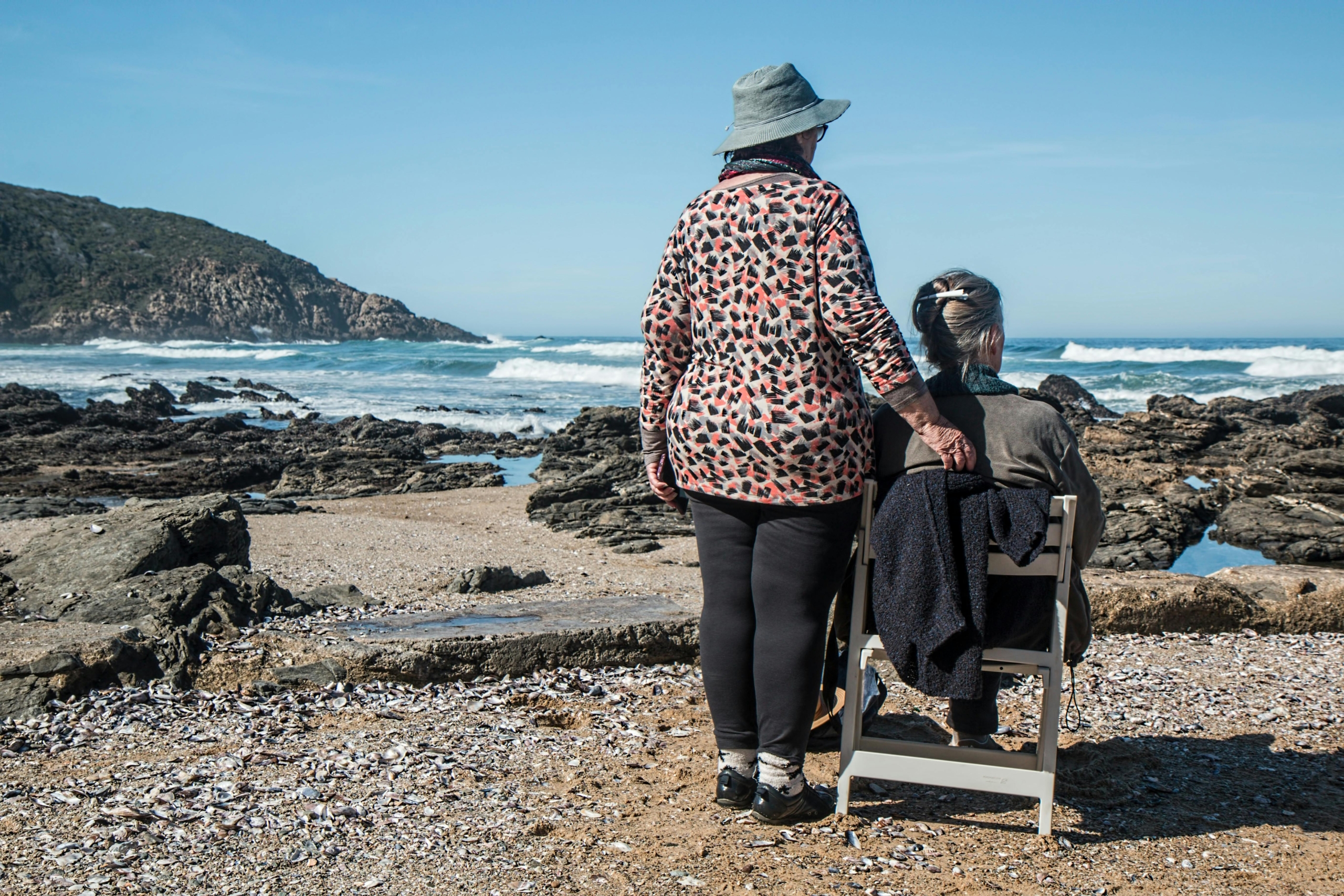
Elderly poverty affects many seniors. War intensifies this in Ukraine. Since the beginning of Ukraine’s conflict with Russia, the rights of older people have been threatened. Seniors in Ukraine have been struggling to gain access to necessities such as food, water and hygienic facilities, all the while coping with the loss of their homes and loved ones. While temporary shelters dedicated to the care of elders have been opened, many of them are inaccessible to those with disabilities, causing many to be turned away. Now, more than ever, older people in Ukraine need aid and “HelpAge International” has made helping them its priority.

Seniors in Ukraine Lack Access to Necessities

It was reported that 56% of older people in Ukraine could not cover the cost of their basic needs, such as food, water, clothes and health care expenses. The cost of living in Ukraine has increased by 27% since the beginning of the conflict. This has only exacerbated the constraints of elderly poverty on Ukraine’s older demographic.

HelpAge International, a nonprofit organization that works to improve the lives of older people worldwide, has sprung into action to combat these issues. More than 14,000 older adults in Ukraine have received monetary assistance from HelpAge. The distributed funds were enough to cover the cost of necessities for three months. On top of this, HelpAge distributed 20,000 hygiene kits and 39,000 food kits to people in Ukraine, which helped alleviate some of the stress brought on by the war and elderly poverty.

Assistance for Seniors With Disabilities in Ukraine

Many Ukrainian seniors with disabilities are facing unique challenges. Due to transportation difficulties, it has become harder for them to evacuate during emergencies. Even after they have been relocated to safer areas of Ukraine, older people with disabilities still struggle to access housing and health care services. There have been reports that many refugee shelters lack ramps, making them inaccessible to individuals who use wheelchairs and thus, they have to be turned away.

HelpAge International has taken the steps to mitigate these issues. Nearly 7,600 older people with disabilities have received assistive products such as canes, toilet chairs, walkers and crutches through the organization. The nonprofit also helped initiate the conversation about the importance of accessible environments. Victoriia Panchenko, a leader within the organization, said HelpAge was happy “to contribute to long-term solutions that will make the environment accessible and age-inclusive and services more adapted to (older people’s) diverse needs.”

Mental Health

The mental impacts of war are difficult to cope with, especially for older people. About 55% of older people in Ukraine reported that the war had an emotional effect on them. They cite reasons such as loneliness, isolation and the loss of loved ones. To provide older people in Ukraine with mental health support, HelpAge International supports numerous community safe spaces across Ukraine. These safe spaces help older people come together and get support for their unique circumstances. They receive psychosocial and legal counseling as well as socialization services.

Conclusion

Elderly poverty can be difficult to navigate, especially during a time of conflict. Right now, older people in Ukraine desperately need humanitarian aid. Thankfully, HelpAge International has provided them with various assistance, from financial to mental health support. There is still a lot to be done as the conflict in Ukraine continues.

– Kimber Peters
Photo: Pexels

March 19, 2024
https://borgenproject.org/wp-content/uploads/borgen-project-logo.svg 0 0 Lynsey 2 https://borgenproject.org/wp-content/uploads/borgen-project-logo.svg Lynsey 22024-03-19 01:30:152024-03-18 05:19:32HelpAge International Assists Seniors in Ukraine
Global Poverty, War

Poverty in Ukraine: The Significant Impacts of Individual Efforts

Poverty in UkraineSince the initial Russian invasion of Ukraine in late February 2022, the Eastern European country has continued to struggle with hardship and new obstacles. The harsh effects of war have had a significant impact on poverty in Ukraine, with an estimated 23,000 civilian casualties in the first six months of intense conflict. Additionally, the conflict has destroyed vital infrastructures and social services such as schools and hospitals, leading to a scarcity of food, water and essential medical supplies.

The Impacts of Poverty in Ukraine

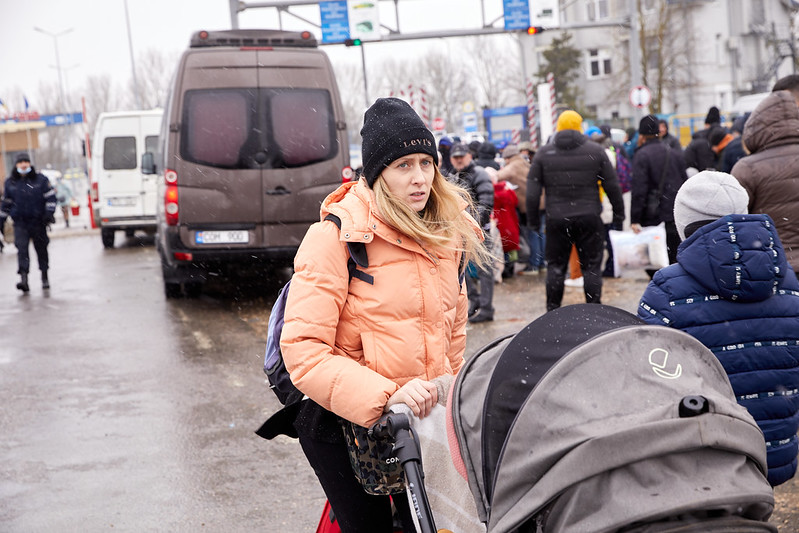
As of February 2023, 8.1 million Ukrainians have fled as refugees to other European countries, with an additional 5.4 million Ukrainians internally displaced due to the conflict. The catastrophic effect of the Russia-Ukraine conflict has resulted in a significant increase in Ukraine’s poverty rate, rising from 5.5% to 24.1% in 2022, pushing about 7.1 million more Ukrainians into poverty. This increase in the poverty rate has fundamentally reverted 15 years’ worth of the nation’s efforts against poverty.

So far, the war in Ukraine has not only had economic impacts on the country but also around the world. Russia, in particular, has suffered a significant and direct impact from its invasion of Ukraine. As of 2023, the economic strains of military operations and the subsequent crisis in the Russian economy have resulted in more than 9% of children in Russia experiencing poverty. In 2022, there was an increase in the number of the Russian population suffering from poverty, with 4.8% of adults and 9.2% of children falling into poverty due to the ongoing economic crisis in the nation.

Global Impacts of the Crisis in Ukraine

Further, the blockade of Ukrainian grain exports has had far-reaching consequences on East African nations like Ethiopia, Kenya and Somalia, leading to a surge in famine. In 2022, an estimated 20 million people in the region found themselves in poverty and lacked access to food. Although these three nations constitute only 2% of the world’s population, they account for 70% of the global population severely affected by food insecurity.

The conflict in Ukraine has led to a decrease in grain exports, which has contributed to famine in East Africa. This conflict has also caused an increase in poverty. However, there are ongoing efforts to improve living conditions in Ukraine. The ongoing efforts include initiatives by individuals, nonprofit organizations and support from various governments. These actions have played a valuable role in addressing the economic challenges in the country.

Humanitarian Aid to Ukraine

As of 2023, the World Bank has allocated $38 million as an emergency fund to address the situation in Ukraine. In collaboration with various world governments, including the U.S., U.K., Canada, the European Union (EU) and Japan, the World Bank aims to combat poverty in Ukraine through reconstruction efforts and providing emergency supplies of food, water and essential services.

In September 2023, during Ukrainian President Volodomyr Zelenskyy’s visit to Canada, Canadian Prime Minister Justin Trudeau announced $650 million worth of aid to Ukraine. This allocation comes in addition to the existing $4.85 billion loan assistance to revitalize and stabilize the nation’s economy. Additionally, Canada has contributed $352.5 million in humanitarian assistance, focusing on providing essential needs such as water, shelter and food to address the escalating requirements in war-torn Ukraine.

The Importance of Individual Efforts

While the efforts of world governments and private organizations have made a tremendous difference in reducing poverty in Ukraine, numerous individual initiatives around the globe have also left a lasting impact. One notable individual initiative was spearheaded by Nils Laacks in Toronto, Canada. Moved by the war in Ukraine and its devastating effects on the local population, Laacks, who had close friends in the country, began a fundraising campaign. His approach involved selling artwork created by Maria, the 7-year-old niece of his close friend Maksim, who had unfortunately become internally displaced due to the ongoing conflict.

“I was looking for different ways to help my friend and soon had the idea of starting an online shop with his 7-year-old niece’s cute drawings,” Laacks told The Borgen Project. “I definitely was surprised how little money Ukrainians were making. The average annual income in Ukraine was between $5,000 and $6,000, around $500 per month. The war led to a dramatic increase in the inflation rate in the country, so many items became unaffordable for the average Ukrainian citizen. Especially in the first year of the war, the shelves of many stores were empty, which further exacerbated the situation,” stated Laacks.

By establishing his fundraising initiative on Etsy, Laacks has accumulated a remarkable 529 sales of Maria’s drawings, featuring vibrant depictions of animals and heart-shaped Ukrainian flags. His intention was straightforward – he aimed to financially support his friend Maksim’s family through the adorable artwork of his niece, Maria. The funds raised by Laacks not only facilitated the payment of rent for a new apartment for Maria’s family in Ukraine but also played a crucial role in aiding other Ukrainians in desperate need.

Laacks has also spent a vast amount of time raising awareness of the situation in Ukraine on social media. “I spent three months promoting this around the clock. I sent hundreds of DMs on Twitter targeting influencers with a large following. I also emailed numerous media outlets to raise awareness of Maria and the precarious situation of many Ukrainians,” He stated.

Further, Laacks believes that each individual can initiate a substantial social change and that the actions of individuals are crucial when attempting to tackle obstacles such as poverty. “I believe that we can all make a change. Before this effort, I was actually skeptical of the impact that one person can have. But due to the viral nature of social media, I learned that everyone can make a difference,” he told The Borgen Project.

Conclusion

While reducing poverty in Ukraine remains a difficult task, Laacks’ story illustrates the importance of individual initiatives in making a meaningful impact. By actively advocating for social change, raising awareness and supporting those in need, individuals can offer practical solutions to pressing problems.

– Remigius Kim
Photo: Flickr
January 25, 2024
https://borgenproject.org/wp-content/uploads/borgen-project-logo.svg 0 0 Lynsey Alexander https://borgenproject.org/wp-content/uploads/borgen-project-logo.svg Lynsey Alexander2024-01-25 07:30:392024-01-25 10:59:05Poverty in Ukraine: The Significant Impacts of Individual Efforts
Global Poverty, War

Everyday Life in Ukraine: Poverty in a War-Torn Country

Life in UkraineDespite the bustling atmosphere on the surface of Ukraine’s capital city, the ongoing war has reversed 15 years of progress, as 7.1 million more people were living in poverty by the end of 2022. This is expected as Russian attacks have devastated Ukraine’s infrastructure. Only 10 months after Russia’s full-scale invasion, it damaged or destroyed 149,300 residential buildings, 3,000 educational institutions, 1,131 health care facilities, 14,400 public transport vehicles and 1,327 community facilities (such as cultural, sport, religious and tourism facilities). The loss of these resources has a significant impact on everyday life in Ukraine as hundreds of thousands have lost their homes, have no access to a health care facility or have no school to attend. 

Life for Those in Ukraine

Oleksandra, a 40-year-old woman from Kyiv, lost her job as an accountant when Russian troops launched a full-scale invasion of Ukraine in February 2022, dismantling Ukraine’s economy and infrastructure. The war is still ongoing, and since then, people have lost an estimated 2.4 million jobs, making Oleksandra just one of the millions struggling to live in a war-torn country without an income.

With her savings dwindling, she turned to pawning possessions, a popular solution for those on the brink of poverty in Ukraine. According to the shopkeeper of the Treasure pawn shop in Kyiv, Oleksandr Stepanov, on busy days, there can be up to 50 people pawning their appliances and phones as “the price of everything has gone up. Food is the most expensive, and then there is fuel for the car… Before the war, my wife would go to the supermarket to shop, which would cost 200 hryvnias, now the same shop costs 400-500.” With inflation reaching 26.6% at the end of 2022, even those employed struggle to navigate everyday life in Ukraine and feel insecure about their future.

Reliance on Handouts

Those experiencing the toughest circumstances have had to rely largely or completely on handouts. In Irpin, a heavily hit town on the outskirts of Kyiv, the priests of a protestant church established six distribution centers, running five days a week, where people can collect bread for free. Almost every day, around 500 people queue for a loaf of bread, while occasionally, tables and tents offering second-hand clothes, shoes and toys are also set up next to the church.

One woman, Veronika Pravyk, searched for baby milk and nappies for her toddler amongst the bins of donated items. When Russia invaded Ukraine, Pravyk lost her job and fled with her children to Spain, but within just six months, she had used all of her savings and returned home. Although her husband has employment, inflation has meant his salary no longer covers their food, rent and heating, “I just never imagined we would be living like this. Before the war, we managed everything. It’s very difficult, and everyone is suffering the same,” she told The Guardian. 

Job Losses in Ukraine

Around 400 people in Irpin lost their jobs when the factories of one of the biggest employers, a wood carving business, were severely damaged by the war, forcing them to relocate to the West. As a result, “people are ready to work for peanuts here. The salaries are already less. But people will do anything to earn some money,” The Guardian reports. With Ukraine exporting 80% of its goods, the GDP had already declined by 30% at the end of 2022, and the hryvnia, Ukraine’s currency, lost 20% compared to the dollar.

However, Ukraine’s economic situation would be even worse without the ongoing financial support from the international community of $43 billion in pledges. A volunteer at the church, Larysa Kuzhel, told The Guardian,“ is going to get more difficult, especially for the younger people. The pensioners who you see here get support. It’s only $50 a month, but it is something. But it is the younger people who have lost their jobs who are suffering.”

Efforts to Help People in Ukraine

Since the war began, everyday life in Ukraine is almost unrecognizable as Oleksandra and Pravyk are two of millions who, for the first time in their lives, are facing poverty, having to pawn their belongings or rely on handouts to survive. Thankfully, organizations are working on the ground in Ukraine to alleviate poverty. UNICEF administers learning supplies to children so they can participate in formal or nonformal, education, provides crucial mental health and psychosocial services, facilitates access to safe water in regions where water networks have been destroyed or damaged, enabling access to health care by distributing medical supplies and even assisting households with cash. The Disasters Emergency Committee (DEC) is also offering its help. After the first six months, DEC had equipped 1.9 million people with clean water, 392,000 people with food aid, 71,000 with primary health care and 3338,900 people with cash support.

Although everyday life in Ukraine has changed, organizations like UNICEF and DEC are on the ground providing as much support as possible to ensure the people of Ukraine do not go hungry, thirsty, cold or untreated. UNICEF and DEC, alongside local communities such as the church in Irpin, provide relief and hope to those facing poverty because of the war. 

– Alice Isola
Photo: Flickr

January 6, 2024
https://borgenproject.org/wp-content/uploads/borgen-project-logo.svg 0 0 Lynsey 2 https://borgenproject.org/wp-content/uploads/borgen-project-logo.svg Lynsey 22024-01-06 07:30:212024-01-02 13:17:42Everyday Life in Ukraine: Poverty in a War-Torn Country
Global Poverty, War

How the Russian Invasion Has Impacted Mental Health in Ukraine

Mental Health in Ukraine
According to a UN survey, the biggest concern people in Ukraine have due to the Russian invasion is their mental health. Mental health in Ukraine was already low due to Russia’s previous invasion and the impact of COVID-19. But with the effects of the February 2022 Russian invasion, mental health in Ukraine has only declined further. A reported 70% of the population is experiencing mental health problems due to the war. Here is how the war in Ukraine has affected its people’s mental health. 

Poverty in Ukraine

The Russian invasion of Ukraine has had a significant impact on the country’s economic and social conditions, as well as its general livelihood. The poverty rate in Ukraine increased from 5% to 24.2% in 2022, meaning almost a quarter of Ukrainians were living on less than $2.15 a day These poor living conditions have had a number of effects that have affected mental health in Ukraine. 

Impact of the War

The fallout of the invasion has included:

  • Mass Unemployment — After the invasion in February 2022, many people’s jobs were made redundant. As of November 2022, 2.4 million people were unemployed due to the conflict. This is due to attacks on Ukrainian ports and infrastructure, which severely limits the imports and exports of the country, thus causing the businesses to suffer and forcing them to decrease employees. This has thrust many Ukrainians into poverty.
  • Inflation — Rates of inflation reached 26.6% at the end of 2022, making it difficult for Ukrainian people to access food and other resources. With the rate of unemployment being so high, people do not have the finances to provide for their families regardless of soaring prices. Inflation has put an additional strain on the Ukrainian people.
  • Damaged Buildings and Structures — Hospitals, cultural sites, homes, factories and industrial centers have all been affected. The buildings have either been pillaged of their products or goods or destroyed completely.
  • Refugee Crisis and Displacement — More than 8 million people have fled Ukraine, leaving behind their homes. Others have been involuntarily displaced by Russia.
  • A Decrease in New Jobs — With the high levels of unemployment, as well as the country’s GDP decreasing by 30% since the start of the war, generating new jobs in the aftermath of the war will be difficult, thus placing Ukrainian people’s financial stability into further suspension.
  • Lack of Safety — Perhaps one of the biggest factors impacting mental health in Ukraine is the constant danger and instability. An estimated 9,000 people died during the invasion with a further 16,000 people injured. Russia is constantly threatening further attacks and possible use of nuclear weapons. Living in constant danger like this is a big part of why mental health is so low in Ukraine.

All these effects have impacted the mental health and general well-being of the Ukrainian people in ways detailed in the Heal Ukraine Trauma report. 

Mental Health Concerns

The Heal Ukraine Trauma report from April 2023 stated this about the impact of Russia’s invasion of Ukraine: “The invasion has stripped civilians of their sense of identity. Their world was turned upside down overnight, allowing for little preparation and increasing cases of depression, anxiety, and PTSD.” 

The report goes on to detail the main mental health concerns in Ukraine due to the war, including a fear of death, loss of freedom, grief, separation of families, social dislocation, social disruption, forced migration and more.

Further, there are mental health issues in Ukraine due to the war that are specific to certain demographics; for example, women in Ukraine are fearful of gender-based violence such as rape and sexual torture. Many women have reported taking measures to avoid this violence such as constantly staying indoors, which has impacted their mental health significantly. Another example includes mothers and fathers, who may feel pressure to care for their families, taking on the burden of caring for their children and partners both emotionally and physically. 

How Poverty and Mental Health Interact

The widespread increase in poverty due to the invasion is another cause of mental health issues. As mentioned earlier in this article, the poverty rate in Ukraine shot up from 5% to 24.2% due to the war, indicating a serious decline in the country’s situation.

In an interview with The Guardian, a church pastor in charge of giving out free bread to Ukrainian people stated that people who use the service talk about how “hard” it is dealing with the failing economy and how younger people who have lost their jobs will greatly “suffer.” Another resident told the Guardian that she “never imagined we would be living like this. Before the war, we managed everything. It’s very difficult and everyone is suffering the same.” 

What Some are Doing to Help

The BMJ report states that funding is being placed into trauma training in order to help Ukrainian people process their mental health struggles. Upon fleeing from Ukraine to Berlin, Vitalii Panok, the director of Ukraine’s Scientific and Methodological Centre of Applied Psychology and Social Work, gathered 40 different Ukrainian psychologists with assistance from the Psychologische Hochschule to help people in Ukraine deal with trauma from the war. 

– Jess Wilkinson
Photo: Flickr

September 14, 2023
https://borgenproject.org/wp-content/uploads/borgen-project-logo.svg 0 0 Lynsey Alexander https://borgenproject.org/wp-content/uploads/borgen-project-logo.svg Lynsey Alexander2023-09-14 07:30:122023-09-11 08:01:17How the Russian Invasion Has Impacted Mental Health in Ukraine
Global Poverty, War

Emergency HIV/AIDS Treatment in Ukraine

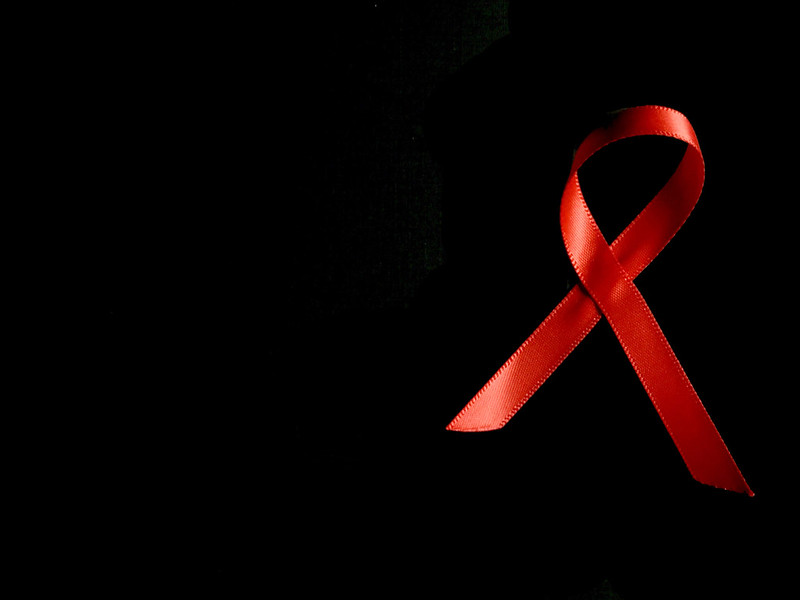
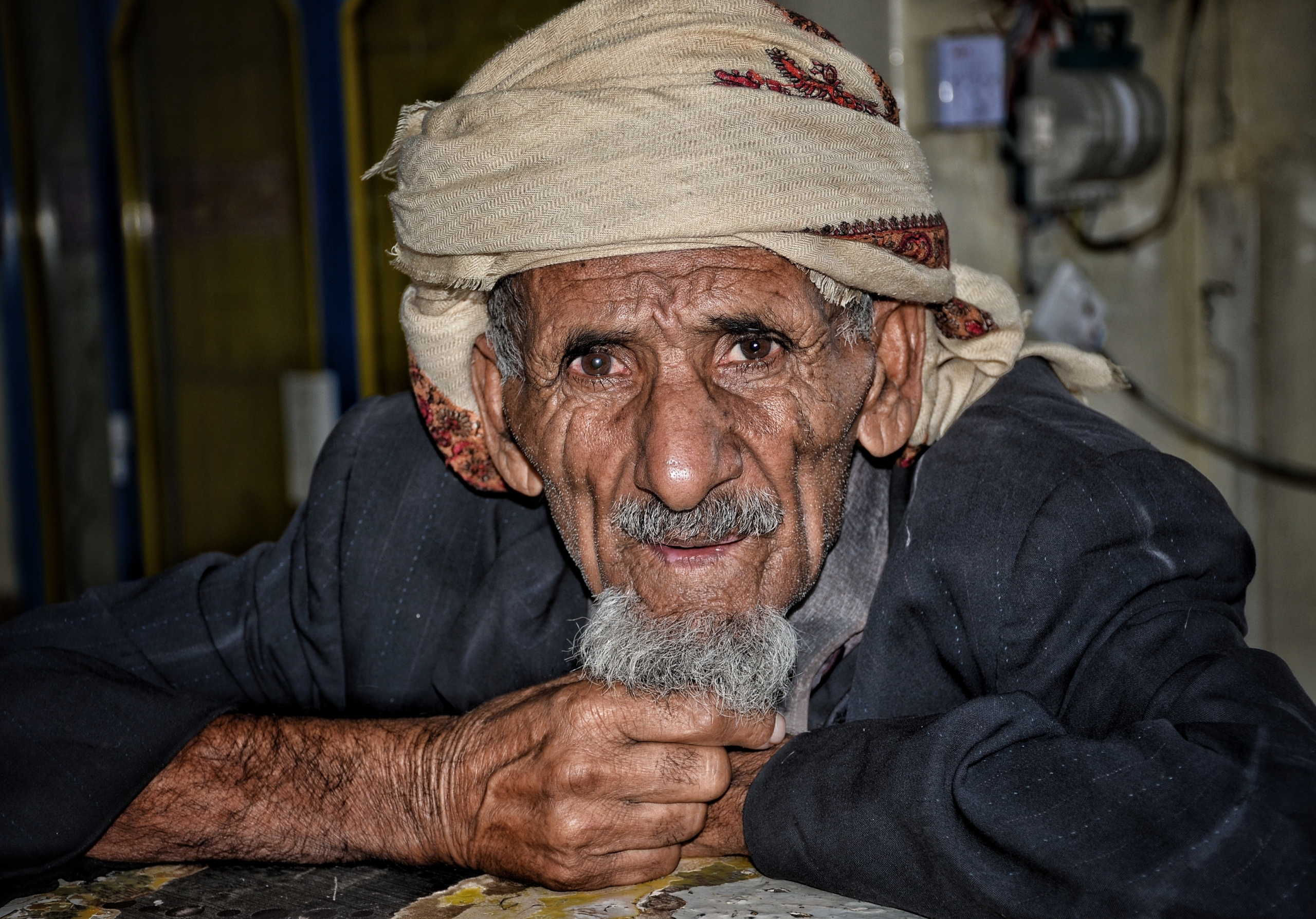
HIV/AIDS Treatment in UkraineThe ongoing war in Ukraine has contributed greatly to poverty both inside and outside of the country. One contributor is the huge interruption the war enforced on HIV and AIDS diagnosis and treatment in the country. Due to the safety risk, 30 medical institutions that provided these services had to close their doors, putting the lives of patients at great risk by restricting their treatment. However, organizations like the Global Fund and the UNAIDS program have provided emergency HIV/AIDS treatment in Ukraine that has served to combat this, thus softening the effect of the war on those living with HIV/AIDS.
HIV/AIDS in Ukraine Before the War

The prevalence rate of HIV/AIDS in Ukraine comes to 0.9%, higher than the world average of 0.7% and one of the highest infection rates in Europe. However, the country looked like it was turning a corner, as in the early 2010s, rates of infection started to decline. This was caused by higher investments in antiretroviral treatment and more support for opioid drug users, who were at higher risk of contracting the disease.

The Effect of the War

After the conflict began in 2014, according to the country director of the UNAIDS program Jacek Tymszko, “HIV totally disappeared from the agenda.” It made providing these vital services much more difficult. More than 30% of people living with HIV/AIDS have experienced an interruption in their treatment since the war began, according to UNAIDS. Equally, many faced displacement as a result of the war and therefore struggled to access these services simply because they no longer had a permanent home.

Emergency HIV/AIDS Treatment

However, due to the help of organizations and programs that focus on providing emergency HIV/AIDS treatment in Ukraine, many HIV/AIDS patients have been able to continue living as normal. In March 2022, the Global Fund provided over $15 million of emergency funding to Ukraine to maintain HIV and TB testing and treatment services and an additional $10.3 million donation in February. These provisions have contributed to retrofitting vans to deliver medicines to patients, community-led organizations that link patients to HIV and TB services and mental health services specifically for those with the disease.

The U.N. has also contributed to providing emergency HIV/AIDS treatment to Ukraine through the Joint United Nationals Programme on HIV/AIDS (UNAIDS). It released an initial $200,000 in emergency funding in February 2023 to support the seven cities facing significant HIV epidemics. This provided first-aid training and kits to community-based organizations aiming to sustain HIV services, direct humanitarian assistance to those living with HIV with food certificates and STI testing kits and providing shelters for displaced people.

Results of Support

Due to the support of organizations such as the Global Fund and UNAIDS, there has been a reduction in the impact of the war on those living with HIV/AIDS. However, there are still those living with HIV/AIDS that are suffering as a result of the war, highlighting the need for more effort. Prior to the war, the Word Bank estimated that 260,000 people were living with HIV in Ukraine. Since then, around 15,000 of these people have lost treatment due to displacement. There is still room for more support to help affected people access life-saving services and prevent the disease from spreading.

– Erin Latham
Photo: Flickr

July 30, 2023
https://borgenproject.org/wp-content/uploads/borgen-project-logo.svg 0 0 Lynsey Alexander https://borgenproject.org/wp-content/uploads/borgen-project-logo.svg Lynsey Alexander2023-07-30 01:30:082023-07-26 03:31:39Emergency HIV/AIDS Treatment in Ukraine
Global Poverty, War

The Impacts of the Ongoing War in Yemen

War in YemenThe war in Yemen began in 2014 when Shiite rebels linked to Iran took control of the largest city and the capital of Yemen, Sana’a. During this period, rebels demanded lower fuel prices as well as a new government. They also seized the presidential palace after failed negotiations and ​​President Abd Rabbu Mansour Hadi resigned along with his government. The rebels have gained significant territory and the civil war continues to this day. The citizens of Yemen have been directly affected by the fighting for almost 10 years. And for more than a decade, the basic human needs of the population of Yemen have not been met.

In 2023, the United Nations (U.N.) estimated that 24.1 million people in Yemen are at risk of hunger and around 14 million Yemenis are in need of acute assistance. Poverty has worsened in recent years, affecting approximately 71% to 78% of the Yemeni population.

The Water Crisis

Yemen is facing one of the most severe water crises globally, as reported by USAID. Basic human necessities, including water and sanitation, are not reaching the Yemeni people due to the ongoing war in the country.

Since 2018, USAID has taken significant steps to address this crisis, aiding over 1.5 million Yemenis lacking access to water, sanitation and hygiene facilities. Through these efforts, 505,000 Yemenis now have access to clean sewage systems and handwashing facilities, improving sanitary conditions. Additionally, USAID’s education initiatives have made a substantial impact, benefiting the people of Yemen in need. The organization has successfully increased access to clean water for 650,000 Yemenis since 2018.

Access to Health Care

The ongoing war in Yemen has had a significant impact on the health care system. According to the World Bank, only 50% of health facilities are completely functional and more than 80% of the population in Yemen has significant trouble accessing basic health care.

Organizations like Doctors Without Borders play a crucial role in providing health care services to the Yemeni people. The organization’s website displays its efforts to improve the quality of life for those in Yemen. Doctors Without Borders runs a mother-and-child hospital in Yemen. This hospital was established in 2016 and is located in Taiz Houban. It offers a wide variety of services, including trauma care, neonatal care and therapeutic feeding.

For people living in conflict-riddled countries, the mental health impacts are severe due to the ongoing trauma, violence and struggle for survival. For this reason, Doctors Without Borders established a mental health clinic located in Al-Jomhouri Authority Hospital where the team provides mental health services, including counseling.

Malnutrition

Children under the age of 5 are particularly vulnerable to malnutrition due to the civil war. In 2022, UNICEF reported that 2.2 million children in this age group are facing acute malnutrition, along with 1.3 million pregnant individuals. According to the U.N., 7 million people are food insecure in Yemen, with 17 million people needing humanitarian assistance.

Doctors Without Borders noticed an increase in malnutrition cases in its hospitals in Amran governorate since May of 2022. With the availability of clinics and hospitals, there may be ways to combat malnutrition, especially in children.

Food insecurity levels in Yemen have worsened, with an increase from 31,000 to 161,000 people facing extreme hunger. Rising food prices and the inability to afford nutritious items have contributed to the crisis. In 2022, flour increased by 38%, canned beans increased by 38% and eggs increased by 35%. These price increases have made it very difficult for many people in Yemen to afford food.

Looking Forward

The Yemeni population still faces dire consequences from the ongoing war, including malnutrition, limited access to clean water, and deteriorating mental health. The U.N. stresses the urgent requirement for aid as the conflict endures. Humanitarian access and donor cooperation remain crucial in supporting Yemen’s people. In April 2023, China played a role in mediating talks between Iran and Saudi Arabia to seek a political resolution and bring an end to the conflict. These discussions include plans to reopen embassies and restore diplomatic relations.

– Abigail DiCarlo
Photo: Unsplash

July 23, 2023
https://borgenproject.org/wp-content/uploads/borgen-project-logo.svg 0 0 Kim Thelwell https://borgenproject.org/wp-content/uploads/borgen-project-logo.svg Kim Thelwell2023-07-23 01:30:052023-07-20 03:36:07The Impacts of the Ongoing War in Yemen
War

How Former Yugoslavian Countries Rebuilt

Former Yugoslavian CountriesThe large Eastern European nation of Yugoslavia stood for most of the 20th century. In the 1990s, it split into six new nations. In some cases, the split was peaceful, but in others, there were conflicts. Most of these wars did not go on very long, but they had clear impacts on the populations of former Yugoslavian countries. These nations have since rebuilt, and there has been a lot of success even in the face of some controversies.
Slovenia

The first country to leave Yugoslavia was Slovenia in 1991, leading to a 10-day war between the new nation and the military. According to reports, the war was not as violent as future conflicts. This fact has been highlighted as one of the possible reasons for the following period of stability in Slovenia. Prior to the Yugoslavian breakup, the region was doing well for itself in terms of economy and international relations. The new nation grew economically and it joined the EU and NATO in 2004. Aside from the odd political dispute, the nation and economy remain strong today. The country is able to assist its poorer citizens directly with social transfers, which is about 12% of them. This is a lower poverty rate than in other former Yugoslavian countries.

Croatia

Slovenia and Croatia declared independence on the same day, but the war in Croatia lasted for four years. The conflict mostly revolved around the Serbian minority rebelling. Over time, however, the Serbians and Croatians reconciled. By the time Croatia entered the EU in 2013, the animosity was considered to be mostly over. So far, it is unclear whether the country’s coming into the EU will help the 20% of people at risk of poverty. Nonetheless, the nation itself is implementing programs to help its poorer citizens. Croatia’s rich history and landscape have also contributed to the country’s recovery. Its status as a popular tourist destination could also continue to grow the economy, especially in the post-pandemic era. Around 36,000 Croatians work in the tourism industry which welcomes around 15 million tourists.

Bosnia and Herzegovina

Bosnia and Herzegovina was an ethnically diverse country in 1992, with Croats (Catholics), Serbs (Orthodox Christians) and Bosniaks (Muslims) making up most of the population. This was the cause of the post-independence war, which led to around 100,000 deaths and more than 2 million displacements. Following the peace treaty, countries like the U.S. sent foreign service officers to mediate. Bosnia and Herzegovina continues to work with European organizations to ensure the protection of minority rights. The country championed both religious and ethnic diversity. There is still a long way to go as many minorities cannot serve in influential positions, and this makes them unable to advocate for or implement their rights.

Kosovo

In 1998, Albanians in the Kosovo region rebelled for their independence from Serbia. The fighting led NATO to try to broker a peace deal. Kosovo finally declared itself free in 2008, albeit to varied recognition. Even then, conflict with the nation of Serbia continued, as some members of the international community did not recognize Kosovo. This means that Kosovo has not been able to enjoy the benefits of membership. Its citizens can not move freely between the EU, even though many wish to migrate. Talks have recently begun for Kosovo to join the EU. The Council of Europe has also been providing assistance in Kosovo since the war ended and continues to work to help the oppressed.

North Macedonia

North Macedonia (formerly Macedonia) was able to secede from Yugoslavia peacefully in 1991. A decade later, Macedonia’s Albanian minority rebelled seeking independence. This rebellion led to the realization of a peace deal. One of the continuing factors is North Macedonia’s rural development. And in 2019, the government made Albanian an official language.

Looking Ahead

Following Yugoslavia’s breakup, the former nations have made significant strides in rebuilding and achieving stability. Countries like Slovenia have experienced economic growth and international integration, resulting in lower poverty rates. Croatia has overcome past animosities and leveraged its rich history and tourism industry for recovery. Bosnia and Herzegovina continues to work towards protecting minority rights, while North Macedonia has achieved peaceful transitions and recognized the Albanian language. These nations demonstrate resilience and progress despite the challenges faced during the breakup.

– Josh Sobchak
Photo: Flickr

June 9, 2023
https://borgenproject.org/wp-content/uploads/borgen-project-logo.svg 0 0 Jennifer Philipp https://borgenproject.org/wp-content/uploads/borgen-project-logo.svg Jennifer Philipp2023-06-09 01:30:332024-05-30 22:31:07How Former Yugoslavian Countries Rebuilt
Global Poverty, War, Women and Female Empowerment

Stronger Women, Stronger Nations Program Empowers Women Survivors

Women Survivors
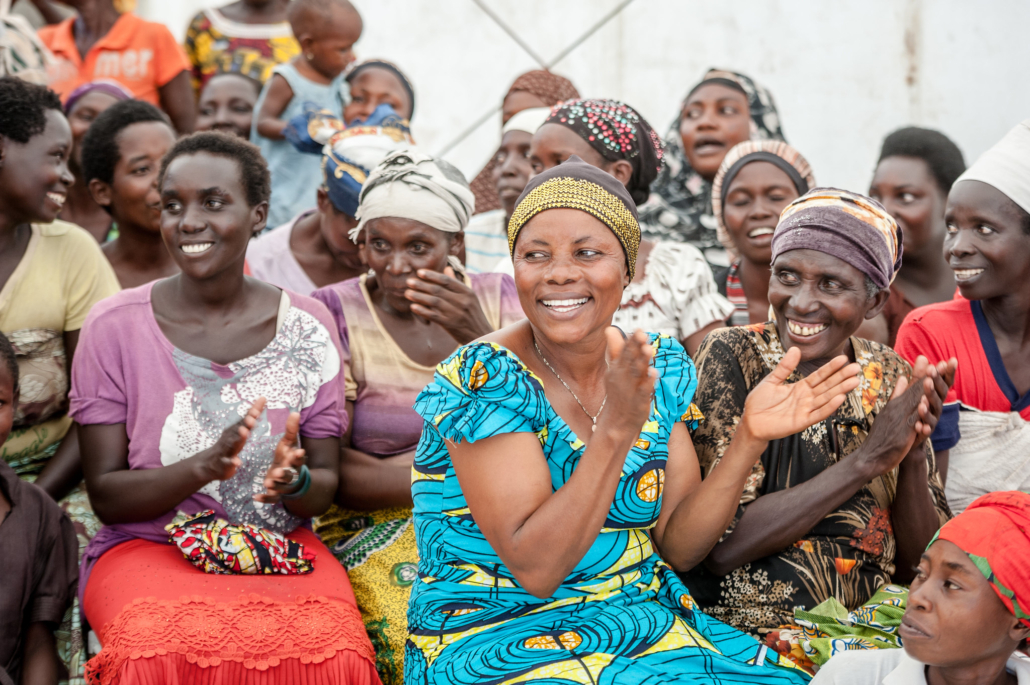
Recovering from the destruction and horror of war remains an inconceivably difficult task for survivors worldwide. For women especially, getting back on their feet in an already disadvantaged world can seem impossible. Women for Women International is a nonprofit supporting women survivors of war by providing them access to connections, resources and educational programs. Its Stronger Women, Stronger Nations program specifically works to not only aid recovery but also advance women’s place in society in developing countries where many conflicts occur.

Women for Women International

Since its founding in 1993, Women for Women International has helped more than 500,000 women recover from war and reach self-sufficiency. Zainab Salbi was only 23 years old when she founded the organization, eventually distributing more than $100 million in aid during her time as the CEO. Foreign Policy Magazine has since named her one of the 100 Leading Global Thinkers.

However, she is not doing her work alone. Women for Women International has representatives working in affected countries across the globe, including the Democratic Republic of Congo (DRC), Afghanistan, Germany, Iraq, the United Kingdom, Kosovo, Bosnia and Herzegovina, South Sudan, Rwanda and Nigeria. Each country director distributes funds and facilitates necessary workshops to help survivors support themselves. Much of this work occurs through the nonprofit’s educational program, Stronger Women, Stronger Nations.

Stronger Women, Stronger Nations

Women for Women International is a self-described “learning organization” that goes “beyond charity to innovation.” As such, representatives for Stronger Women, Stronger Nations facilitate courses customized to every country’s specific social and economic profile. Throughout the year-long program, survivors are provided with a monthly stipend of $10, relevant vocational training, financial education and lifelong connections that leave them feeling stronger than ever.

The program begins with placement into a class of 24 fellow female survivors. Each class includes five social empowerment modules (Women’s Solidarity, Value of Women’s Work, Health and Wellness, Gender Equality, Rights and Decision Making and Women Influencing Decisions in their Community). A social empowerment trainer from Women for Women International leads it. The first month focuses on social networking and numeracy training, both in the local language and English. The next two months give the women time to reflect on their war-inflicted trauma as they begin to consider the value of women’s work. By the fourth month of the program, the women are learning to set and pursue financial goals. The fifth month begins a module on health and wellness, educating the women on hygiene, sanitation and local concerns like malaria. After that, they learn vocational skills of their choosing like tailoring and poultry-keeping.

The rest of the program continues this vocational education while additionally sparking discussion on gender equality, domestic abuse, motherhood and societal change. Women also learn business skills like budgeting, bookkeeping and organizational leadership. By the time their Stronger Women, Stronger Nations class concludes, they are fully equipped to start a business, impart change in their community and create more opportunities for their families.

Lasting Impact

This innovative program continues to catch the attention of international corporate partners including Bloomberg Philanthropies, Slip®, Hyatt Hotels, Charlotte Tilbury and Jimmy Choo. Aside from donating to the Stronger Women, Stronger Nations program, several companies have expanded their reach even further. In 2012, Hyatt created jobs for 50 program members in Iraq by having them sew laundry bags for its boutique Andaz Hotels. Cosmetics brand Charlotte Tilbury donated $2 from every sale of its Hot Lips collection in 2016. It later pledged $1 million alongside the release of the Hot Lips 2 collection in 2019. Jimmy Choo has sponsored 50 women from programs in Iraq, Rwanda and the Democratic Republic of Congo.

The effects of war remain long after a conflict resolves. Women for Women International believes that women survivors of war experience the most negative impacts, given the compounding societal factors that come with being a woman. Through its Stronger Women, Stronger Nations program, the nonprofit not only helps female survivors recover from the trauma of war but ensures that they become stronger mothers, entrepreneurs and community leaders.

– Rachel Rebecca Smith
Photo: Flickr

May 18, 2023
https://borgenproject.org/wp-content/uploads/borgen-project-logo.svg 0 0 Jennifer Philipp https://borgenproject.org/wp-content/uploads/borgen-project-logo.svg Jennifer Philipp2023-05-18 18:26:212023-06-04 15:57:05Stronger Women, Stronger Nations Program Empowers Women Survivors
Page 3 of 8‹12345›»

Get Smarter

  • Global Poverty 101
  • Global Poverty… The Good News
  • Global Poverty & U.S. Jobs
  • Global Poverty and National Security
  • Innovative Solutions to Poverty
  • Global Poverty & Aid FAQ’s
Search Search

Take Action

  • Call Congress
  • Email Congress
  • Donate
  • 30 Ways to Help
  • Volunteer Ops
  • Internships
  • Courses & Certificates
  • The Podcast
Borgen Project

“The Borgen Project is an incredible nonprofit organization that is addressing poverty and hunger and working towards ending them.”

-The Huffington Post

Inside The Borgen Project

  • Contact
  • About
  • Financials
  • President
  • Board of Directors
  • Board of Advisors

International Links

  • UK Email Parliament
  • UK Donate
  • Canada Email Parliament

Get Smarter

  • Global Poverty 101
  • Global Poverty… The Good News
  • Global Poverty & U.S. Jobs
  • Global Poverty and National Security
  • Innovative Solutions to Poverty
  • Global Poverty & Aid FAQ’s

Ways to Help

  • Call Congress
  • Email Congress
  • Donate
  • 30 Ways to Help
  • Volunteer Ops
  • Internships
  • Courses & Certificates
  • The Podcast
Scroll to top Scroll to top Scroll to top