• Link to X
  • Link to Facebook
  • Link to Instagram
  • Link to TikTok
  • Link to Youtube
  • About
    • About Us
      • President
      • Board of Directors
      • Board of Advisors
      • Financials
      • Our Methodology
      • Success Tracker
      • Contact
  • Act Now
    • 30 Ways to Help
      • Email Congress
      • Call Congress
      • Volunteer
      • Courses & Certificates
      • Be a Donor
    • Internships
      • In-Office Internships
      • Remote Internships
    • Legislation
      • Politics 101
  • The Blog
  • The Podcast
  • Magazine
  • Donate
  • Click to open the search input field Click to open the search input field Search
  • Menu Menu

Archive for category: Global Poverty

Key articles and information on global poverty.

Global Poverty

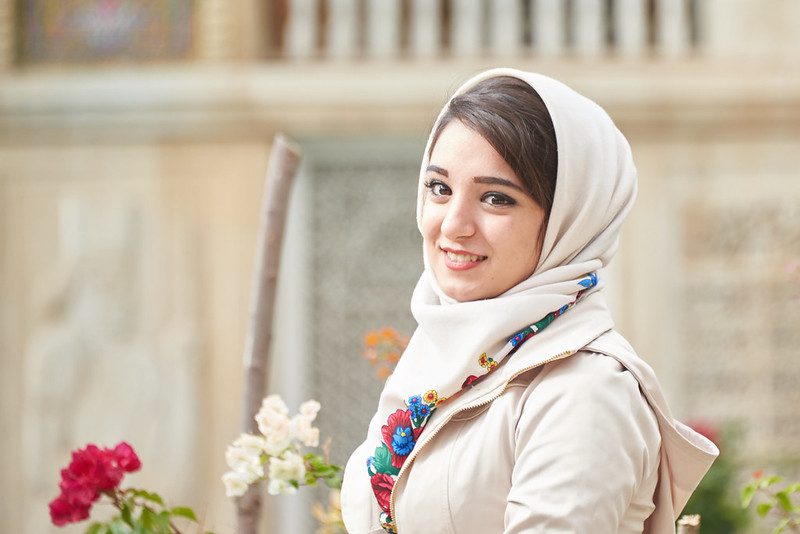
Poverty and Single Mothers in China

Single Mothers in ChinaDivorce serves as a primary catalyst in the formation of households with one parent. Due to the rise in divorce rates observed across several countries, the issue of single parenthood has gained significant attention on both a global and local scale.

The crude divorce rate, which measures the number of divorce decrees granted per 1,000 people, has seen a rise over the decade in mainland China. It increased from 1.85 in 2009 to 3.36 in 2019. The percentage of parents who are single and have children under 18 years old has risen from 3.9% in 2001 to 5.9% in 2016. Out of this group, 78% are single mothers in China raising their children alone.

Economic Challenges Faced by Single Mothers

From an economic standpoint, single mothers in China face challenges in accessing resources and public services available to them due to the absence of a husband. The responsibility of looking after children limits their chances of finding employment, making it challenging for them to secure jobs. As a result, families headed by women without husbands are at risk of experiencing poverty. Furthermore, due to the transmission of disadvantage and social status across generations, their children are likely to live in poverty as they grow older.

Even though single mothers in China may be part of the job market, they tend to experience less work and salary stability than single fathers. In 2016, single-mother families in Hong Kong had a household income of HKD 13,780 ($1778.20), whereas single-father families had a slightly higher figure of HKD 18,000 ($2307.70).

Single mothers, typically, allocate around 50% of their overall income towards childcare expenses monthly. This is not solely due to the difficulties faced by single moms but also because they have high hopes and dreams for their children’s future.

Sylvia Chant, a Professor of Development Geography at LSE, coined the phrase “feminization of poverty” to describe single mothers’ struggles as they strive to lift their families out of poverty.

Further Impacts of Single Parenthood

The Family Stress Model considers how maternal distress affects how adolescents internalize and externalize problems in families. This experience is incredibly challenging for mothers as they may feel negative emotions such as depression, frustration and feelings of abandonment because of the loss of their marital relationship.

Evidence suggests maternal depression was linked to lower mental health in their children because the negative emotions of single mothers could pass off to the kids.

Gender-Blind Poverty Alleviation and UN Initiative

China’s poverty alleviation policy has a general deficiency in gender sensitivity, inadequate consideration of the specific needs of poor women and a lack of emphasis on addressing single mothers’ challenges.

The United Nations Sustainable Development Goals have gained popularity in the efforts to eradicate income poverty and reduce all forms of poverty. This has led to the use of the term “preventing people from being left.” China, as a participant in this U.N. initiative, has implemented one of the poverty alleviation programs globally.

On the other hand, The Sichuan Haihui Poverty Alleviation Center, an NGO based in Chengdu, has launched a fundraising initiative that focuses on a group: mothers. The project, called “Moms Wishes” — Making Single Mothers Dreams Come True, aims to select 40 mothers between the ages of 25 and 45 from Daying County, Sichuan Province. These mothers should have a family income below 1,000 yuan ($138). The project’s objective is to provide assistance to help these women fulfill their dreams whether they are related to parenting, purchasing items or personal development. Additionally, the long-term goal of the project is to establish support networks (both in person and online) and systems that can benefit women who are raising their children alone.

Single mothers deserve recognition and appreciation. This includes those who may be considered unconventional, facing challenges in their journey and the determined individuals who willingly take on the responsibility of parenting alone. There is also a need to acknowledge the ones who have chosen to divorce for their children’s betterment and well-being. Currently, these incredible women are raising 19 million children.

–  Aysu Usubova
Photo: Flickr

September 25, 2023
https://borgenproject.org/wp-content/uploads/borgen-project-logo.svg 0 0 Lynsey Alexander https://borgenproject.org/wp-content/uploads/borgen-project-logo.svg Lynsey Alexander2023-09-25 01:30:162023-09-21 03:40:19Poverty and Single Mothers in China
Global Poverty

Addressing Somalia’s Drought-Induced Humanitarian Crises

 Somalia’s Drought-Induced Humanitarian CrisesSomalia, a nation plagued by decades of war and a series of natural disasters, is currently grappling with the most severe drought in its history. The effects of Somalia’s drought-induced humanitarian crises have been devastating, leading to widespread poverty. According to the World Bank, Somalia is projected to face a poverty rate of about 73% in 2023.

The Cycle of Drought and Despair

Somalia’s geographical location makes it highly susceptible to irregular and insufficient rainfall, resulting in cyclical droughts that have far-reaching impacts. These droughts disrupt agricultural activities, reduce water availability and contribute to food shortages, subsequently leading to malnutrition, disease outbreaks and displacement. Pastoral communities, heavily reliant on livestock, suffer devastating losses as their animals die due to lack of water and forage.

The lack of rainfall has resulted in the depletion of water sources, failed crops and widespread livestock losses. These factors have left millions of Somalians facing acute food and water shortages, pushing them to the brink of famine. According to the Government’s Minister of Health, an estimated 43,000 excess deaths occurred in 2022 due to the drought. The situation remains dire, with approximately 8.3 million people, nearly half of the country’s population, urgently requiring humanitarian assistance.

The International Rescue Committee is offering crucial assistance to the Somali population. Shashwat Saraf, the IRC’s regional emergency director for East Africa, emphasized that the crisis in Somalia is far from resolved and is intensifying with each passing day. Without a significant increase in resources dedicated to the response, famine may occur before the end of the year. The IRC’s aid in Somalia centers on “health, nutrition, water, sanitation and hygiene (WASH), economic recovery and development (ERD), women’s protection and empowerment. As of December 2022, we have reached almost half a million drought-affected people in Somalia,” the IRC website highlights.

In the face of Somalia’s drought-induced humanitarian crises, many families have no choice but to migrate in search of water, food and better living conditions. More than 1 million people had to leave their homes due to dire conditions. Forced migration often leads to overcrowded settlements in urban areas, straining resources and basic services. Additionally, competition for limited resources can escalate tensions, potentially sparking conflicts between communities, the UNHCR explains.

Response and Challenges

Somalia’s drought-induced scarcity brings about significant health challenges. Insufficient water supply and poor sanitation conditions contribute to the spread of waterborne diseases like cholera and dysentery. Malnutrition rates escalate, leading to stunted growth and weakened immune systems among children. This, in turn, increases susceptibility to various infections and diseases, creating a vicious cycle of suffering. “Over 8.3 million Somalis (49[%]of the population) are expected to face high levels of acute food insecurity between April and June 2023 and about 1.8 million children under five are likely to face acute malnutrition through June including over 513,000 who are expected to be severely malnourished,” ReliefWeb said in February 2023.

The international community has responded to Somalia’s drought-induced humanitarian crises with a combination of emergency relief efforts, long-term development initiatives and capacity-building programs. Humanitarian organizations, such as UNICEF and the International Organization for Migration (IOM), provide food aid, clean water and medical assistance to those affected. International organizations have made efforts to improve water infrastructure, develop drought-resistant agricultural techniques and enhance early warning systems for disaster preparedness.

However, several challenges hinder effective response and recovery. Ongoing conflict and instability in certain regions impede the delivery of aid and development efforts. Insufficient funding often limits the scale and sustainability of humanitarian interventions. Additionally, extreme weather patterns exacerbate the frequency and intensity of droughts, making long-term solutions more complex to achieve.

Breaking the Cycle of Devastation

Somalia’s drought-induced humanitarian crises highlight the urgent need for sustainable solutions. International cooperation, investment in resilient infrastructure and a focus on climate resilience strategies can contribute to building a more secure future for Somalia’s population. As the world faces the growing challenges of extreme weather patterns, acknowledging and addressing the plight of nations like Somalia becomes crucial in preventing further human suffering and fostering global stability.

– Dunia Matta
Photo: Flickr

September 25, 2023
https://borgenproject.org/wp-content/uploads/borgen-project-logo.svg 0 0 Lynsey Alexander https://borgenproject.org/wp-content/uploads/borgen-project-logo.svg Lynsey Alexander2023-09-25 01:30:102023-09-21 03:25:44Addressing Somalia’s Drought-Induced Humanitarian Crises
Global Poverty

5 Strategies for Drought-Stricken Regions in Western and Central Africa

Drought-stricken regionsIn drought-stricken regions in much of Western and Central Africa, the risk of catastrophic floods poses a consequential threat to lives and livelihoods, exacerbating poverty. In 2022, regions in this area experienced flooding disasters that altered human life, property, livestock and land. Across 18 countries, floods resulted in 1,567 deaths, 4,401 people injured, 3.2 million displacements and 517,000 houses destroyed. As the vulnerability of these areas is further intensified by the impacts of mother nature, it becomes crucial to implement proactive measures aimed at preventing and mitigating the destructive effects of flooding. These five data-backed strategies play a pivotal role in preserving communities and fostering sustainable development within these regions.

Five Strategies for Drought-Stricken Regions in Western and Central Africa

  1. Sustainable Water Management. Implementing sustainable water management practices is vital for mitigating the risk of floods in drought-prone regions of Africa. According to a study by the World Resources Institute, investing in water infrastructure can reduce the likelihood of floods from 33% to 10% in endangered and exposed areas. This will generate considerable cost savings. When successfully managing water resources, such as regulating water release during heavy rainfall events, it is possible to reduce the intensity and impact of flooding.
  2. Reforestation and Ecosystem Restoration. According to the Proceedings of the National Academy of Sciences, reforestation is the best method to improve ecosystems in drought-stricken areas. Research proves that forests reduce flood risks and prevent droughts. The United Nations (U.N.) Convention to Combat Desertification (UNCCD) aims to fight the root causes of drought and desertification while simultaneously laying the foundation for a better future. In 2007, the UNCCD launched the Great Green Wall Initiative (GGWI), planting an 8,000-kilometer stretch of trees from Senegal to Djibouti. This benefited more than 20 countries. Numerous organizations have partnered with UNCCD in the hopes that this initiative will improve food security, aid in restoring land and ecosystems and generate agricultural development. Additionally, the GGWI aims to employ 10 million people by 2030. Thus, reforestation not only reinvigorates the ecosystem but provides jobs to millions in Western and Central Africa. These results aid in poverty reduction within drought-stricken areas.
  3. Recognizing Early Warning Systems and Preparedness Measures. Advancing and implementing vigorous early warning systems is significant for flood prevention and preparedness. According to the World Meteorological Organization (WMO), countries with productive early warning systems have witnessed a decline in flood-related deaths decade by decade. Notably, flood-related deaths decreased from more than “50,000 deaths on average per year in the 1970s to less than 20,000 in the 2010s. The 1970s and 1980s reported an average of 170 related deaths per day. In the 1990s, that average fell by one-third to 90 related deaths per day, then continued to fall in the 2010s to 40 related deaths per day,”  the WMO notes. This clear reduction in mortality emphasizes the life-saving potential of timely warnings and preparedness measures.
  4. Infrastructure Development. Investing in robust and flexible infrastructure is essential for flood risk reduction in drought-affected regions. Assembling flood-resistant buildings, refining drainage systems and implementing effective flood control measures are primary elements of infrastructure development. By incorporating these considerations, countries can minimize the impact of floods. This ensures the safety and prosperity of communities in drought-stricken regions located in Central and Western Africa.
  5. Community Education and Capacity Building. The U.N. defines capacity building as, “The process of developing and strengthening the skills, instincts, abilities, processes and resources that organizations and communities need to survive, adapt and thrive in a fast-changing world.” Education and capacity building are vital for amplifying community resilience. The U.N. Office of Disaster Risk Reduction explains that investing in community-based disaster risk reduction programs results in a significant return on investment. For every $1 spent, up to $15 is saved on disaster relief efforts. This impressive rate of return demonstrates the long-term benefits of equipping communities to effectively counter floods and reduce their vulnerability.

Looking Ahead

By embracing these comprehensive strategies, drought-stricken regions in Western and Central Africa can preemptively address the threat of devastating floods. This indirectly prevents the worsening of poverty. Collaboration among governments, international organizations and local communities is required to administer these measures effectively and ensure long-term sustainable development within these regions.

– Nathaniel Scandore
Photo: Flickr

September 24, 2023
https://borgenproject.org/wp-content/uploads/borgen-project-logo.svg 0 0 Kim Thelwell https://borgenproject.org/wp-content/uploads/borgen-project-logo.svg Kim Thelwell2023-09-24 07:30:242024-05-30 22:32:215 Strategies for Drought-Stricken Regions in Western and Central Africa
Education, Global Poverty

Education in Iraq

Education in IraqEducation stands as the cornerstone of progress and development in any society. Amid the challenges and upheavals that have marked Iraq’s recent history, education has emerged as a beacon of hope and transformation, offering a pathway toward a brighter future for the nation and its people.

The Ripple Effects of Conflict on Education

Iraq’s education system has been plagued by a myriad of challenges, ranging from inadequate infrastructure and outdated curricula to insufficient resources and trauma-based psychological impact affecting both teachers and students. According to UNICEF, “one in every two schools is damaged” and needs improvement to effectively teach students. This crisis perpetuates a cycle of ignorance, poverty and underdevelopment.

Education in Iraq is hindered by violence, infrastructure damage and the displacement of children. Due to years of war and conflict, the weakened Iraqi government has allocated less than 6% of its budget to education.

The lack of education in Iraq contributes to a dearth of skilled workers, hindering economic growth and making it difficult for the country to compete in an increasingly globalized world. Low-quality education exacerbates social disparities, perpetuating cycles of poverty and inequality. It deprives marginalized communities of the tools they need to break free from the constraints of their circumstances and contribute to society in meaningful ways.

Paths to Educational Reform

Improving the education system in Iraq could be the key to unlocking a plethora of benefits for the country. UNICEF and the Education for Peace in Iraq Center (EPIC) have been working toward improving the education system and the lives of future Iraqi generations.

UNICEF

Recently, UNICEF has partnered with Daewoo E&C to provide hundreds of young children with access to education in disadvantaged areas in Basra. In a collaborative effort spearheaded by the Basra Directorate of Education, this initiative will not only improve children’s preparedness for school but also streamline their progression into primary education, ensuring a seamless and efficient transition. Early Childhood Education (ECE) plays a pivotal role in enabling young learners to embark on their primary education journey at an appropriate age, armed with the essential skills required for future success.

With Daewoo E&C’s support, UNICEF will establish five ECE centers in five schools. Each ECE center will include a classroom and a play area and will be equipped with essential amenities such as water, sanitation and hygiene (WASH) facilities. Through its Iraq National Education Strategy, UNICEF supports the Government’s goal to provide ECE to at least 30% of Iraqi children by 2031.

In order to ensure that children in Basra and other parts of the country have the best start in life, UNICEF will continue to work with the Government of Iraq, U.N. agencies, civil society and community organizations.

EPIC

Established in 1998, the Education for Peace in Iraq Center (EPIC) is a nonprofit organization dedicated to fostering peace in Iraq. EPIC undertakes humanitarian initiatives to promote harmony within the nation. Through a combination of impactful advocacy, field work aimed at empowering youth and authentic collaborations with both Iraqi civil society and the young population, EPIC is committed to advancing its mission to empower young Iraqis.

EPIC designs and implements a series of on-the-ground programs that empower adolescents to make a positive impact. It also advocates for U.S. and international support to secure peace and build democratic institutions in Iraq. This includes efforts to enhance government accountability, strengthen civil society and improve educational opportunities for all generations of Iraqis.

Furthermore, EPIC facilitates research and information-sharing about developments in Iraq. They share lessons learned and best practices in peacebuilding, education and youth development. Through these programs, EPIC is building a community of young people who have been impacted by them. By supporting the development of programs that best serve Iraq’s youth, EPIC will be able to better understand the needs and aspirations of Iraqi youth.

Unlocking a Brighter Future

Transforming education in Iraq requires a comprehensive and multi-faceted approach. Adequate funding, updated curricula, teacher training, modern infrastructure and equitable access to education are all critical components of reform. International support, collaborations and best practices can also play a pivotal role in guiding the country toward an improved education system. By committing to education reform, there is hope that Iraq can break the chains of poverty and underdevelopment and pave the way for a brighter future for its citizens.

– Dunia Matta
Photo: Flickr

September 24, 2023
https://borgenproject.org/wp-content/uploads/borgen-project-logo.svg 0 0 Lynsey Alexander https://borgenproject.org/wp-content/uploads/borgen-project-logo.svg Lynsey Alexander2023-09-24 07:30:202023-09-21 03:22:29Education in Iraq
Global Poverty

Organizations Fighting Poverty: Establishments Making a Difference

 The spectrum of organizations fighting poverty is vast, ranging from global entities like UNICEF to numerous grassroots agencies dedicated to effecting change. This article compiles a catalog of organizations across various sectors, each making a significant impact in their respective fields. These organizations encompass those focused on health care in economically challenged regions to those spanning a wide array of disciplines. Below is an index of organizations that have brought about substantial change in their respective domains.

PLAN International

PLAN International is an incredible humanitarian institution that fights for human rights and justice for women and girls. The organization emphasizes that all children have the right to health, education and equal treatment. The organization produces special programs within several fields — including inclusive education, reproductive health rights, work skills and leadership. In 2022, PLAN International reached more than 50 million children across the globe and utilized approximately $161 million to create programs across 29 countries. Through advocacy, the organization has influenced changes in laws and policies regarding the rights of girls and children across the globe.

The International Rescue Committee (IRC)

The International Rescue Committee, also known as the IRC has become an enormously influential organization that responds to humanitarian crises across 40 countries. With several ancillary activities focused on health care, education, safety and well-being, the organization provides what is vital for survivors of conflict. 

Similar to PLAN International, the IRC utilizes a strategy that spans more than 100 years, aiming to shape humanitarian response by creating quality programs for those in need. Just last year, the organization reached 32.9 million people in countries impacted by crises and gave more than $100 million in aid. Through persistent advocacy, the IRC influenced the spending of more than €200 million euros in aid to combat the detrimental effects of the conflict in Afghanistan, and the United Nations approved the IRC’s recommendation to create a task force for the global prevention of famine. 

The Bill and Melinda Gates Foundation

The Bill and Melinda Gates Foundation is a well-known organization that focuses on providing inexpensive health care to poorer countries. Bill and Melinda Gates established this organization upon recognizing the significant loss of children’s lives due to preventable diseases. They swiftly took action, dedicating more than $50 billion since its inception to consistently support partner organizations and health units situated in various countries. Their aim is to foster innovation and reduce mortality rates, saving countless lives in the process.

The Gates Foundation works in countries across Asia, Europe, Africa and North America, where it collaborates with health care partners to deliver to populations in need. The foundation has created several effective vaccines that significantly impact the lives of people within the countries it operates work in. Significant treatments include Wolbachia, which directly treated mosquitos that caused the Dengue virus rather than treating the virus itself, “MenAfriVac,” which was an inexpensive vaccine that targeted the meningitis epidemic in Africa, and several funds endorsing the research of AIDS, malaria and tuberculosis treatments. 

BuildOn Global

BuildOn Global is an organization that staunchly believes that it is vital to educate impoverished populations to eliminate poverty. Through connections with rural communities across the globe, the organization has empowered children and adults alike to continue their education and encouraged people internationally to drive change by supporting the creation of numerous local schools in poor areas. With a focus on the eight poorest countries in the world — namely Burkina Faso, Guatemala, Haiti, Malawi, Mali, Nepal, Nicaragua and Senegal, BuildOn has supported the creation of more than 340 schools, with 302,000 students enrolled. 

Several hundred BuildOn schools also include evening Adult Literacy programs that teach reading, writing, numeracy and additional crucial skills. Through these programs, around 98% of students enrolled graduated from high school, showcasing how dedicated efforts can resolve the issue of poverty being a barrier between a child and their education. 

Charity Water

Charity Water is an international establishment that prioritizes the distribution of clean water throughout the planet. Sanitation situations in developing countries are often dire — data shows that at least 2 billion people lack access to clean water and sanitation, and an additional 10% of people lack the means of disposing of bodily wastes. As a result, there are high rates of resource pollution because of open defecation. This begins the vicious cycle of illness due to the germs and bacteria that are naturally present within feces. 

Furthermore, the lack of water in some countries majorly contributes to water crises. This organization offers clean water and food that is more than necessary in light of suboptimal sanitation in developing countries. Through regular civil donations and advocacy, the organization has had 137,000 water projects funded through 29 countries in need, where more than 17 million people received these resources. 

Action Against Hunger

Action Against Hunger is an organization that tackles all aspects of malnutrition — from sanitation to water to proper nutrition. With the help of malnourishment treatment formulas, the establishment treated millions of children across 55 countries in just the past year. Furthermore, the organization works with partners stationed in several countries to fortify health care, educate populations, promote hygiene and create effective solutions that last for sanitation, malnutrition and access to necessities. 

Looking Ahead

The high number of organizations fighting poverty today creates a positive outlook and the possibility for a brighter future. To make a difference in today’s world, targeting prominent issues with resources, willpower and knowledge can tear down the foundations of poverty brick by brick.

– Divya Shankar
Photo: Pixabay

September 24, 2023
https://borgenproject.org/wp-content/uploads/borgen-project-logo.svg 0 0 Lynsey Alexander https://borgenproject.org/wp-content/uploads/borgen-project-logo.svg Lynsey Alexander2023-09-24 01:30:482026-04-16 10:20:59Organizations Fighting Poverty: Establishments Making a Difference
Global Poverty

Risks of child begging in India

Child Begging in IndiaIn India, child begging is a pressing issue that frequently occurs at busy intersections, where young children solicit money from passing vehicles. Despite being illegal, this practice persists, depriving children of their right to education and a happy childhood, effectively subjecting them to modern-day forms of exploitation. This unfortunate situation is most prevalent in major cities like Delhi, Mumbai and Bangalore, where children often operate in groups and are coerced into begging by their parents or human traffickers for financial gain.

The Borgen Project recently interviewed Bandhana, a woman dedicated to aiding these children on a grassroots level by providing them with access to quality education and encouraging school attendance. She highlighted several underlying factors contributing to the issue of child begging, which are discussed below.

Poverty

Between 2015 and 2021, approximately 415 million individuals lifted themselves out of poverty, resulting in a decrease in the poverty rate from 55% to 16% over the past decade. However, due to the large population of the country, poverty remains a significant issue in impoverished households. Oftentimes, young children are compelled to contribute to their household’s finances by earning money through begging, because of their parents’ poverty. Unfortunately, in many cases, these children are subjected to abuse to appear more pitiful and thus earn more money by emotionally manipulating individuals.

Lack of Education

The poor quality of education is causing children to resort to begging, abuse and harassment. Discrimination in classrooms, caste systems and lack of resources are forcing children to take to the streets to beg for money. To address this issue, life skills should be included in the curriculum to equip children with practical skills for their daily lives. Bandhana notes that in some schools, there are no qualified teachers to teach students, leading to a lack of motivation to attend school. Additionally, the pandemic has affected education as government schools have not been able to provide online education due to a lack of resources.

Child Abduction

Children are kidnapped from their hometowns and sold in the big cities to beg on the roads. According to the Human Rights Commission of India, 40,000 children are abducted every year of which 25% remain untraced. They are brutally tortured and abused and sometimes their limbs are cut so that they can get more sympathy from the people and earn more money. The children are sold for some thousands and their families never know about their kids. Sometimes the children run away from their dealers and get united with their families with the help of the police but most of the time, they have to spend their whole life in those horrific circumstances.

Migration

India has multiple borders with countries like Bangladesh and Nepal, which often leads to illegal immigration. Many migrants, due to unemployment and poverty, force their children to beg on the streets for extra financial support. In 2015, approximately 15,000 Bangladeshis were granted Indian citizenship because they were living within Indian territories. The majority of migrants cross the border in search of better livelihoods, employment and quality of life, but their dreams are shattered when they are forced to beg for money and live in poverty.

Various begging techniques are enforced by the traffickers on the children like selling flowers, following the people on the roads and many more. The children get injured while begging on busy roads. Bandhana stated that she noticed some children giving wishes to the couples and then forcefully asking for money. Sometimes they come in groups and force people to give them money. People try to offer some food, but they decline and want only money so they can pay their traffickers.

Ongoing Efforts

Each state has anti-begging laws in place to protect children’s human rights. According to the Indian Penal Code of 1860, any form of child exploitation is a criminal offense. Section 363A specifically prohibits kidnapping and abduction of children. Additionally, each state in the country has its own set of acts and codes to prevent child begging. 

The Railway Children organization is dedicated to improving the lives of street children in various states such as Delhi, Uttar Pradesh, Odisha and Tamil Nadu. They have established 24-hour helplines at railway stations to assist children who are alone and in need of help. Additionally, they offer short- and long-term accommodations where children can receive educational and medical support. They have protected 20,337 children from dangers, 20,082 have been reunited with their families and 140 children have been provided long-term care homes. 

Looking Ahead

To address the serious problem of child begging, there is a need for the government to work in conjunction with the police force to prevent the exploitation of young children. With the support and awareness of the community, these children can have access to a better quality of life and education, enabling them to have better access to opportunities in the future.

– Gurjot Kaur
Photo: Flickr

September 24, 2023
https://borgenproject.org/wp-content/uploads/borgen-project-logo.svg 0 0 Lynsey Alexander https://borgenproject.org/wp-content/uploads/borgen-project-logo.svg Lynsey Alexander2023-09-24 01:30:272023-09-20 03:09:57Risks of child begging in India
Global Poverty

Key Facts to Know About HIV/AIDS in Mauritius

HIV/AIDS in Mauritius
In 2018, UNAIDS carried out key research on HIV/AIDS in Mauritius. The research revealed important statistics on the key populations that are affected the most by the disease. The UNAIDS report found that 44.3% of HIV-positive individuals are injection drug users, 15% are female sex workers, 17.2% are men who participate in sexual intercourse with other men, 16.5% are prison inmates and 28% are transgender individuals. 

Another group that has been identified as a vulnerable group is young adults. From puberty to adulthood, young people become curious about drugs, alcohol and sexual experiences. In turn, this increases the risk of the individual getting infected by HIV. 

Protecting People With HIV/AIDS in Mauritius 

In the last decade, there has been great progress in protecting the human rights of individuals who have HIV/AIDS in Mauritius. The current protections in place for these individuals are as follows: 

  • The Civil Status Act now ensures that it is not illegal for a Mauritian citizen to marry someone who is from another country who is HIV positive. 
  • In 2006, the country established The Mauritius HIV and AIDS Act 2006 which does not criminalize the transmission of HIV. 
  • Mauritius introduced The Equal Opportunities Act 31 2008 which aims to reduce the discrimination people with HIV experience due to their positive status and/or sexual orientation. 
  • Lastly, the Mauritian government implemented The Employment Act 31 2008, which further protects individuals with HIV against discrimination and specifically focuses on the context of the workplace. The act prohibits harassment of any kind towards someone with HIV and fights against the stigma.

Recent Progress 

The most recent progress is in alignment with the wishes of the Joint United Nations Programme. By 2021, the Mauritian government aimed to meet the targets known as 90-90-90. This means that 90% of Mauritian citizens know their status, 90% of positive individuals are on cART treatment and 90% of the individuals following cART treatment are virally suppressed. Mauritius must call attention to various interventions to achieve these targets. 

  • Ninety percent to know their status: This requires the country to focus on improving testing facilities and reducing the social stigma that surrounds the disease and testing for it. The UNAIDS report noted that this target could be achieved by specifically facilitating testing services to the key populations identified above and, for more deprived areas of the country, by setting up a testing caravan. This would expand the testing of HIV/AIDS in Mauritius.
  • Ninety percent to be diagnosed to be on cART treatment: To ensure a large majority of individuals who have HIV/AIDS in Mauritius take the appropriate medication, educational intervention is necessary. Key steps recognized in the report were to educate people on the specific treatment and to reduce the stigma of it. In addition to this, the report recognized that an expansion of patient support would be required to ensure long-term adherence to the treatment, which would also help achieve the final target of 90% of individuals on treatment to be virally suppressed.
  • Ninety percent to be virally suppressed: Patient support is very important in achieving this target, both individual and community/group support. Ensuring adherence to HIV/AIDS medication means a reduction of the stigma that surrounds HIV/AIDS in Mauritius.

Looking Ahead

Improving the social stigma surrounding HIV/AIDS in Mauritius is a significant component of reaching the 90-90-90 target. The most recent report on HIV/AIDS in Mauritius establishes how the Ministry of Social Integration has set criteria to ensure that Mauritian citizens who have HIV/AIDS have social protection available to them. With developments in education on HIV/AIDS, Mauritius is showing great promise and progress. 

– Poppy Harris
Photo: Unsplash

September 23, 2023
https://borgenproject.org/wp-content/uploads/borgen-project-logo.svg 0 0 Yuki https://borgenproject.org/wp-content/uploads/borgen-project-logo.svg Yuki2023-09-23 07:32:472023-09-25 12:07:57Key Facts to Know About HIV/AIDS in Mauritius
Global Poverty, Health

What Universal Vaccination Could Mean for the Global Poor

Universal VaccinationPandemics can happen at any time — a fact that the world has become painfully aware of in the last few years. COVID-19 taught modern people the devastating effects of emerging infectious diseases or EIDs, and as a result, more discussions about vaccination have opened up. Vaccines can save lives, but for the global poor, access to this resource is less than ideal. Universal vaccination would transform the health and livelihoods of impoverished people around the world, allowing them to live healthily in the face of many devastating diseases. 

Sickness and Poverty

Around the world, illness wreaks havoc on impoverished people. Poor health is rooted in political, social and economic injustices — making poverty both a cause and effect of poor health. The poorer one is, the more likely they are to fall ill. If someone is ill, the more likely they are to deal with unrealistic financial burdens, trapping them in poverty. 

There are a few diseases in particular that disproportionately affect low-income populations, called poverty-related diseases, or PRDs. Two out of three deaths among children in Africa and Southeast Asia are due to just six diseases: tuberculosis, malaria, HIV/AIDS, measles, pneumonia and diarrheal disease. Combined with childbirth complications, these diseases kill 14 million people annually. The three largest PRDs, AIDS, malaria and tuberculosis, make up 18% of all diseases in poor countries. Yet, approximately 30% of the global population, and 50% of the poorest parts of Africa and Asia, do not have regular access to necessary medicine. This statistic staggers even higher for marginalized groups and vulnerable individuals, who are often deprived of information, money or access to health care that would help them treat each disease. Essentially, although the poorest parts of the world are most impacted by illness, they have the least access to necessary care. 

Vaccine Access for the Global Poor

Vaccines are a treatment for many PRDs, though they too are difficult for the global poor to access. Taking the COVID-19 vaccines as an example, as of October 2022, only 25% of the population living in low-income countries have received at least one dose of a vaccine. Meanwhile, high-income countries enjoy a rate of 72%.

Similarly, cholera vaccines are internationally available but seldom used in public health settings in developing countries where they are vitally needed. The HPV vaccine shares similar statistics, as it has been introduced in only 41% of low-income countries but 83% of high-income countries. According to the World Health Organization (WHO), vaccines for diseases associated with “markets that are deemed to have little commercial value remain neglected.” According to the WHO’s director general, Tedros Adhanom Ghebreyesus, “The right to health includes the right to vaccines, and yet this new report shows that free market dynamics are depriving some of the world’s poorest and most vulnerable people of that right.”

There have been efforts to share vaccines with the global poor that show just how beneficial access can be. Since 2019, Malawi, Ghana and Kenya have participated in the Malaria Vaccine Implementation Programme (MVIP), coordinated by the WHO and funded by Gavi, the Vaccine Alliance, the Global Fund to Fight AIDS, Tuberculosis and Malaria and Unitaid to deliver the malaria vaccine in their respective countries. The vaccine has been administered to more than 1.7 million children, leading to a substantial reduction in severe malaria and a decrease in child deaths. 

Universal Vaccination

Universal vaccination would change the world — access to preventative care against PRDs would allow low-income communities to transform their livelihoods, no longer nearly as consistently devastated by death and disease. Vaccinating the world helps prevent new emerging variants, support health systems and save countries from lasting economic damage. In fact, if low-income countries had the same vaccination rate against COVID-19 as high-income countries in September last year (around 54%) they would have increased their GDP by $16.27 billion. Again, COVID-19 acts as an example of what universal vaccination against all PRDs and EIDs could do. Beyond good health, fair access to vaccines allows a chance for development in many areas.

– Char Nieberding
Photo: Unsplash

September 23, 2023
https://borgenproject.org/wp-content/uploads/borgen-project-logo.svg 0 0 Lynsey Alexander https://borgenproject.org/wp-content/uploads/borgen-project-logo.svg Lynsey Alexander2023-09-23 07:30:582024-05-30 22:32:13What Universal Vaccination Could Mean for the Global Poor
Clean Water Access, Global Poverty, Water Sanitation

Innovative Solutions for Clean Water Access

Solutions to Clean Water
Access to clean water is a fundamental human right, yet millions of people in developing countries still lack safe and reliable water sources. The scarcity of clean water poses serious health risks, perpetuates poverty and hinders socio-economic development. The following is an exploration of innovative technologies and approaches that are revolutionizing solutions for clean water access in resource-limited settings, offering hope for a sustainable future.

Challenges of Clean Water Access in Developing Countries

In many developing regions, limited infrastructure for water supply and sanitation leads to inadequate access to clean water and increased waterborne diseases. Unsafe water sources often become contaminated with pollutants, pathogens and dangerous chemicals, posing severe health risks to communities relying on them for drinking and daily needs. Additionally, the impact of climate change exacerbates water scarcity in certain regions, making it crucial to find adaptive and resilient solutions for clean water access.

Moreover, resource-limited settings often face financial barriers to implementing and maintaining clean water solutions, hindering progress in improving water access. Further to this, the high costs associated with traditional water treatment plants and distribution systems may not be feasible for communities with limited funds and resources.

Innovative Solutions for Clean Water Access

  1. Solar-Powered Water Purification: Innovative solar-powered water purification systems use sunlight to disinfect water, eliminating harmful pathogens and contaminants. These systems are sustainable, cost-effective and suitable for off-grid communities, providing access to safe drinking water in areas with limited infrastructure.
  2. Water ATMs: Water ATMs are automated water dispensing machines that provide safe and affordable water to communities. Users can access clean water by paying with prepaid cards or mobile payments, ensuring a steady and reliable supply without the need for extensive infrastructure.
  3. Fog Harvesting: Fog harvesting technology collects water droplets from fog and condenses them into clean drinking water. This solution is particularly beneficial in arid regions where traditional water sources are scarce, offering a unique and eco-friendly approach to water access.
  4. Bio-Sand Filters: Bio-sand filters are simple, low-cost devices that remove impurities from water. They are easy to maintain and have proven effective in reducing waterborne diseases, making them suitable for resource-limited settings.
  5. Mobile Water Treatment Units: Mobile water treatment units equipped with advanced filtration and purification systems can be deployed to disaster-stricken and remote areas, providing immediate access to clean water during emergencies and natural disasters.
  6. Rainwater Harvesting: Rainwater harvesting systems collect and store rainwater for domestic use. This eco-friendly approach is especially valuable in regions with regular rainfall but limited access to clean water sources, providing a sustainable water supply.
  7. Water Quality Monitoring Apps: Mobile apps that enable communities to monitor water quality in real-time empower them to identify potential contamination and take proactive measures to ensure safe water access. These apps bridge the gap in water testing capabilities in remote areas.

Conclusion

Access to clean water is vital for economic development and poverty alleviation. Therefore, it is important that we understand the importance of finding solutions for clean water to address these critical needs.

The challenges of providing clean water in developing countries demand innovative and sustainable solutions. Solar-powered purification, water ATMs, fog harvesting and other emerging technologies could go a long way to ensure clean water access for all.

Embracing these innovative approaches alongside community engagement and international cooperation has the potential to give developing nations a brighter future. One in which clean water is readily available to every person, regardless of their socio-economic status.

– Mihir Naik
Photo: Flickr

September 23, 2023
https://borgenproject.org/wp-content/uploads/borgen-project-logo.svg 0 0 Lynsey Alexander https://borgenproject.org/wp-content/uploads/borgen-project-logo.svg Lynsey Alexander2023-09-23 07:30:022024-12-13 18:02:57Innovative Solutions for Clean Water Access
Global Poverty, Humanitarian Aid

UK’s Aid to the DRC

Aid to the DRCOngoing conflict and persistently high poverty levels in the Democratic Republic of the Congo (DRC) have spurred the active involvement of both non-governmental and government organizations in the United Kingdom (U.K.) over several years. These organizations have dedicated their efforts to providing essential aid to those affected by poverty and assisting displaced victims of conflict in the region.

The UK’s Involvement in the DRC 

The U.K. has for years been actively involved in the DRC to help protect those who are financially vulnerable and those vulnerable due to continuous conflict across the country. There are many ways in which the U.K.’s aid to the DRC has happened. 

Between 2014 and 2022, the U.K. actively implemented the ‘Supporting Peace and Stability in Eastern DRC‘ program, which yielded significant contributions toward conflict reduction and community stabilization in the region. Throughout the program’s duration, it allocated more than £55 million in funding across various critical areas. These areas encompassed civilian peacebuilding, conflict prevention and resolution, security system management and reform, rural development and active participation in international peacekeeping operations. Notably, the program prioritized the promotion of gender equality as one of its overarching objectives.

The New Humanitarian Program Aiding Conflict

In recent times, the U.K.’s aid to the DRC has continued. In May 2023, the U.K. government announced that it would provide a humanitarian package for the DRC worth £21 million to support the citizens of the DRC who have been negatively impacted by their surroundings. The conflict has taken place in the form of internal and external conflict, with regional tensions leading to the displacement of 465,000 people in 2022 in the Kivu region. The external conflict has risen through the political problems between the DRC and Rwanda. The U.K.’s constant support has proven to be of massive help to those who need it within the country. 

There has been continuous work by the U.K. government throughout the years. It has continued to work with the government of the DRC to create national strategies in alignment with government objectives. 

Non-Government Organizations

The U.K.’s aid to the DRC has also come from non-government organizations with success. ActionAid U.K. has worked in the DRC since 1987. In addition, it has continued its long-term program, especially in North and South Kivu provinces, focusing on preventing the occurrence of sexual violence and providing agricultural tools to help communities build and stabilize themselves to be able to produce. It has provided training throughout the years, teaching women about sexual health and the police and military about stopping sexual violence. Overall, Action Aid actively works to ensure that communities can sustain themselves. 

Aid from non-government and governmental bodies in the DRC tends to focus on the provision of basic needs and facilities, such as helping the education sector by encouraging more children to get into education, the provision of health care where many do not have access to it in due to the citizens of DRC not having the money to afford health care and the lack of health care in areas experiencing conflict. So far, the U.K.’s aid to the DRC has positively impacted the citizens of the country. 

– Christelle Wealth-Mukendi
Photo: Flickr

September 23, 2023
https://borgenproject.org/wp-content/uploads/borgen-project-logo.svg 0 0 Lynsey Alexander https://borgenproject.org/wp-content/uploads/borgen-project-logo.svg Lynsey Alexander2023-09-23 01:30:312023-09-19 01:47:28UK’s Aid to the DRC
Page 432 of 2161«‹430431432433434›»

Get Smarter

  • Global Poverty 101
  • Global Poverty… The Good News
  • Global Poverty & U.S. Jobs
  • Global Poverty and National Security
  • Innovative Solutions to Poverty
  • Global Poverty & Aid FAQ’s
Search Search

Take Action

  • Call Congress
  • Email Congress
  • Donate
  • 30 Ways to Help
  • Volunteer Ops
  • Internships
  • Courses & Certificates
  • The Podcast
Borgen Project

“The Borgen Project is an incredible nonprofit organization that is addressing poverty and hunger and working towards ending them.”

-The Huffington Post

Inside The Borgen Project

  • Contact
  • About
  • Financials
  • President
  • Board of Directors
  • Board of Advisors

International Links

  • UK Email Parliament
  • UK Donate
  • Canada Email Parliament

Get Smarter

  • Global Poverty 101
  • Global Poverty… The Good News
  • Global Poverty & U.S. Jobs
  • Global Poverty and National Security
  • Innovative Solutions to Poverty
  • Global Poverty & Aid FAQ’s

Ways to Help

  • Call Congress
  • Email Congress
  • Donate
  • 30 Ways to Help
  • Volunteer Ops
  • Internships
  • Courses & Certificates
  • The Podcast
Scroll to top Scroll to top Scroll to top