• Link to X
  • Link to Facebook
  • Link to Instagram
  • Link to TikTok
  • Link to Youtube
  • About
    • About Us
      • President
      • Board of Directors
      • Board of Advisors
      • Financials
      • Our Methodology
      • Success Tracker
      • Contact
  • Act Now
    • 30 Ways to Help
      • Email Congress
      • Call Congress
      • Volunteer
      • Courses & Certificates
      • Be a Donor
    • Internships
      • In-Office Internships
      • Remote Internships
    • Legislation
      • Politics 101
  • The Blog
  • The Podcast
  • Magazine
  • Donate
  • Click to open the search input field Click to open the search input field Search
  • Menu Menu

Archive for category: Global Poverty

Key articles and information on global poverty.

Global Poverty

SDG 9 in Lebanon: Industry, Innovation and Infrastructure 

Sustainable Development Goals (SDGs)The United Nations adopted 17 Sustainable Development Goals (SDGs) in 2015, which replaced the previous Millennium Development Goals (MDGs) that started an effort to tackle poverty in 2000. The SDGs have targets catered to ending poverty, hunger, AIDS and discrimination against women and girls. The ninth target tackles industry, innovation and infrastructure and Lebanon has updates on its SDG 9.

SDG 9 And Agricultural Infrastructure

The first update on SDG 9 in Lebanon is part of phase four of Lebanon’s Employment Intensive Infrastructure Programme (EIIP), which ran from January 2021 till December 2023, where the International Labor Organization (ILO) joined forces with the Ministry of Agriculture/Green Plan to enhance farm infrastructure through a collaborative effort. Lebanese Reforestation Initiative (LRI) agreed to provide support in identifying, designing and supervising farm infrastructure projects.

As of October 2023, the program resulted in the employment of 800 farmers, specifically displaced Syrian refugees and financially vulnerable Lebanese citizens, and tackled farms all over the country. According to ILO, the only region with 100% accomplishment is the Akkar one, but there are plans to accomplish the remaining areas by December 2025, which will constitute phase five of EIIP. Those areas are Baalbak-El Hermel, Bekaa, El Nabatieh, Mount Lebanon, North and South, according to the U.N.

Post-Explosion Reconstruction

Following the 2020 explosion in the port of Beirut, Lebanon’s capital, the country suffered the death of more than 200 people, the wounding of more than 6,000 and damage or destruction of approximately 70,000 apartments and 40,000 residential spaces, all within a 10 km distance from the scene of the bomb. Karantina, a neighborhood in Beirut, suffered the most in terms of physical destruction and human losses, with more than 700 households where migrant workers, refugees and impoverished Lebanese people lived. Subsequently, as of January 2023, the United Nations Development Programme (UNDP) launched a two-phased response strategy in Karantina as part of its “Leave No One Behind” report

Another update on SDG 9 in Lebanon is that an urgent six-month plan is underway to address the immediate aftermath of the explosion in Beirut, focusing on rehabilitating shelters, providing legal assistance, supporting small businesses and implementing energy-efficient solutions. Concurrently, a 12-month sustained response is formulated to meet ongoing needs, including economic empowerment and neighborhood enhancement. The UNDP’s infrastructure recovery plan for Karantina has set a completion date of March 2025.

SDG 9 And Energy Infrastructure

Since the end of 2019, Lebanon has struggled with the depreciation of its currency, the Lebanese Lira Pound (LLP). While before then, $1 had a value of 1,500 LLP, the exchange rate in 2023 is fixed at 15,000 LLP but continues to be traded at 100,000 LLP to the dollar. This economic downfall came with shortages in utilities like energy and water where people are currently relying on privately-owned generators for electricity, and paying anywhere between $50 and $70 every month for electricity.

Starting in 2020, the United Nations Industrial Development Organization (UNIDO), Ministry of Industry (MOI) and Ministry of Environment, in collaboration with the Association of Lebanese Industrialists (ALI) and the Association of North Metn Industrialists (ANMI) developed SwitchMed III MED TEST III, which sought resource-efficient and cleaner production (RECP) for electricity companies by 2023. MED TEST III has three goals. The project plans to help 10 companies in important industries by giving technical support in RECP, studying how to use whey effectively in the dairy sector and providing international expertise through training and analyzing gaps and creating a plan to make industrial areas more environmentally friendly.

There are still no results for this test since MED TEST III is ongoing till March 2024. However, there is a foreseeable success with this test as the previous MED TEST II, from 2013 to 2018, had successful results in water, CO2, solid waste and energy savings.

Innovations in Education

Another SDG 9 update in Lebanon is IDEAS, an organization that works on pushing innovation in Lebanon, which launched the Summer of Innovation (SOI) initiative, alongside Lebanon’s Presidency of the Council of Ministers, Office of Prime Minister Saad Hariri. It had four main goals for Lebanon’s youth: innovation, technology, entrepreneurship and creativity. This initiative launched startups and groups across Lebanon to promote their four goals. In 2018, its success was evident when the events under SOI expanded to the greater population, beyond just youth, which proved effective as 4,000 people participated in SOI events that year. Also in 2018, SOI spearheaded three more programs promoting innovation: IDEAS, Bawabat al Ibtikar and Startup Scouts. While Lebanon is four years into an economic deficit situation as of 2023 with a 12.8% GDP deficit, Summer of Innovation contributed to Lebanon’s 2018 economic growth of 0.2%.

Making Progress

Lebanon has made strides in its Sustainable Development Goals (SDGs) ranking 95th out of 166 countries in overall SDG performance, with the updates on SDG 9 maintaining achievement. As of 2021, Lebanon’s most successful aspects of SDG 9 are increasing the population using the internet to 86.6%, a population of 77.8 per 100 people on mobile broadband subscriptions and 0.8 per 1,000 population of articles published in academic journals. Overall, Lebanon is steadfast in completing its SDG 9 goals by 2030, with most of the initiatives as mentioned earlier and programs to be completed in 2025, according to the U.N.

– Lucciana Choueiry
Photo: Flickr

January 28, 2024
https://borgenproject.org/wp-content/uploads/borgen-project-logo.svg 0 0 Jennifer Philipp https://borgenproject.org/wp-content/uploads/borgen-project-logo.svg Jennifer Philipp2024-01-28 07:30:012024-01-27 12:41:40SDG 9 in Lebanon: Industry, Innovation and Infrastructure 
Child Poverty, Global Poverty

Child Poverty in Benin  

Child Poverty in BeninLocated in West Africa, the Republic of Benin is one of the most economically challenged nations worldwide. With up to 45% of its population consisting of children under the age of 15, child poverty in Benin is a major concern.

Economic Factors

According to the World Food Program USA, Benin’s economy is primarily agrarian. Up to 70% of the population relies on agriculture as a core source of income. Vulnerable to weather fluctuations and changing weather patterns, the sector of rain-fed agriculture has been challenged by the success of consistent food crop production. In addition, the country is often exposed to droughts and floods that threaten the economic conditions of Benin’s population. This frequently leaves families in uncertain economic situations. As poverty rates among families increase, child poverty in Benin worsens due to insufficient resources to fulfill their essential needs.

Threatened Food Security

In addition to contributing to a lack of financial stability, the unstable nature of agribusiness in the nation has also led to an increase in food prices. As reported by the United States Agency for International Development (USAID), children in Benin are severely affected by malnutrition. Up to 50% of children up to 5 years of age have developmental issues as a result of nutritional deficiency. The World Food Program USA shows that up to 32% of Beninese children suffer from recurrent malnutrition.

Health Concerns

While improper nutrition has emerged as a significant health concern for children in Benin, the absence of proper health care has also affected the nation’s children. According to the Centers for Disease Control and Prevention (CDC), malaria is the leading cause of death for children under 5 years old in Benin. USAID states that the COVID-19 pandemic posed a risk to ongoing efforts made to reduce the transmission of the disease. The U.S. President’s Malaria Initiative, created in 2005, has been working toward the reduction and treatment of the disease in African countries, including Benin.

Despite the pandemic’s impact on developmental progress, the initiative’s 2024 strategy outlines the introduction of the malaria vaccine in Benin within the initial quarter of the year.

Child Labor

A direct repercussion of child poverty in Benin is the educational deficit due to child labor. As Beninese families go through financial hardships, children quit their education and engage in varying work practices. Some of these include domestic work, working on cotton plantations and forced begging. Children exposed to child labor practices become vulnerable to abuse and exploitation. Work conditions can be hazardous, and children are at risk of becoming victims of human trafficking. Data published by UNICEF shows up to 25% of children in Benin are victims of child labor.

Aid Initiatives

Tackling child poverty in Benin requires a wide range approach, integrating economic development, health care, food security and education. Recent years have shown multiple attempts to improve Beninese children’s livelihoods. A report published by the U.S. Department of Labor states that social services inspections freed up to 400 children from child labor in 2021.

In 2022, the government maintained the Integrated National School Feeding Program, providing meals to up to 75% of Benin’s schools. That same year, UNICEF expanded its presence in the north of the nation. UNICEF also collaborated with the religious congregation known as the Salesians of Don Bosco to build a temporary residence for children living on the streets. The congregation runs the charity Foyer Don Bosco, with the mission to fulfill all basic human needs of children living in poverty in Benin. It heavily focuses on helping victims of child labor and human trafficking, striving to ensure that children receive quality education so they can have a better future.

Efforts by organizations like UNICEF and the Salesians of Don Bosco reflect a collective commitment to combat child poverty in Benin and serve as a source of optimism in the ongoing fight against it. 

– Paula Gibson
Photo: Flickr

January 28, 2024
https://borgenproject.org/wp-content/uploads/borgen-project-logo.svg 0 0 Jennifer Philipp https://borgenproject.org/wp-content/uploads/borgen-project-logo.svg Jennifer Philipp2024-01-28 01:30:542024-05-30 22:32:48Child Poverty in Benin  
Global Poverty

Reducing Preterm Birth in Low-Income Countries

preterm birth in low-income countriesThere are stark differences between preterm births in low and high income countries. Although preterm birth happens worldwide, more than 90% of babies born before 28 weeks gestation in low-income countries die shortly after birth. In high-income countries, less than 10% of these babies die. South Asia and sub-Saharan Africa have the highest preterm birth rates.

Globally, preterm birth kills more children under 5 years old than any other cause. Disability is an additional outcome of preterm birth with grave consequences for families and communities. Preterm birth has multiple interconnected risk factors and initiatives to address preterm birth in low-income countries are underway.

Risk Factors for Preterm Birth

Humanitarian settings often expose expectant mothers to risk factors for early birth. These risk factors include infection, such as HIV and malaria, gender-based violence and unclean living conditions. Undernutrition, excess physical work, air pollution exposure, adolescent pregnancy and reduced time between pregnancies also contribute to preterm birth incidence.

In low-resource conditions, health care is often disrupted or inaccessible for mothers and preterm infants. Displacement can also create formidable language and monetary barriers to health care. Conflict also contributes to limited health care for women and newborns. About 90% of countries with the highest neonatal death rates are in high-conflict locations.

Initiatives To Improve Preterm Birth in Low-Income Countries

Many programs aim to reduce the incidence of preterm birth and improve outcomes in low-income countries. Since 2007, the Global Alliance to Prevent Prematurity and Stillbirth (GAPPS) has partnered with several organizations to improve birth outcomes. In 2011, the Bill and Melinda Gates Foundation funded a $20 million GAPPS program called the “Preventing Preterm Birth Initiative.”

The program develops ways to prevent preterm birth and gives priority to low-resource settings. The funded research projects include a study on the connection between infections and preterm birth and a search for biomarkers to predict preterm birth. Additionally, the program runs research sites in Bangladesh and Zambia, enrolling pregnant women in studies to gain insights into the causes of preterm birth in these nations.

In 2014 GAPPS initiated the Scaling, Catalyzing, Advocating, Learning and Evidence-driven (Every Preemie-SCALE) project with a $9 million U.S. Agency for International Development (USAID) Cooperative Agreement. From 2014 to 2019, this program widened the use of preterm birth interventions in two dozen Asian and African countries. In 2016, Every Preemie published an analysis to promote the global utilization of antenatal corticosteroids in cases of impending early birth to boost the survival of newborns. In Malawi, Every Preemie evaluated the Family-Led Care Model, a strategy designed to improve facility and home care for preterm infants.

Since 2017, Birth With Dignity has provided education and training to health care providers in Uganda, a low-income country with high preterm birth rates. The organization provides education on postpartum hemorrhage, preeclampsia and emergency communication. The nonprofit’s work at Mbale Regional Referral Hospital and St. Francis Nsambya Hospital enhances high-risk care for mothers and babies.

Going Forward

Preterm birth in low-income countries is a critical issue. There are multiple approaches to improving its incidence and outcomes. In a 2023 global report, the World Health Organization (WHO) detailed strategies to prevent early birth, including quality care during pregnancy, sufficient nutrition and effective education. The report also recommended quality neonatal care for infections and breathing and feeding difficulties to reduce newborn mortality and disability. These strategies provide a path forward to improve global preterm birth.

– Kelly Carroll
Photo: Flickr

January 28, 2024
https://borgenproject.org/wp-content/uploads/borgen-project-logo.svg 0 0 Lynsey 2 https://borgenproject.org/wp-content/uploads/borgen-project-logo.svg Lynsey 22024-01-28 01:30:522024-01-31 05:01:23Reducing Preterm Birth in Low-Income Countries
Global Poverty

Renewable Energy in Namibia Brings Light to Those in Poverty 

Renewable Energy in NamibiaRenewable energy is central in shifting the world’s economy toward relying less on carbon-intensive fuels as countries grapple with the effects of changing weather patterns. However, often left out of the conversation about renewable energy is how it can be a useful tool in alleviating global poverty. The changing state of renewable energy in Namibia, a country located on the southwestern coast of Africa, is a prime example of how these energy sources can help address poverty.

Lack of Access to Electricity

For an upper middle-income country, Namibia has a high population of those who are multidimensionally poor: 43.3% of the country’s population in 2021. Lack of access to electricity is one factor keeping Namibians in poverty, and this is particularly evident in rural areas. In fact, less than 10% of rural residents have access to electricity, often because of the high cost of connecting to the country’s electrical grid. Rural areas are also where the highest concentration of Namibians in poverty live: 59.3% of Namibia’s rural population is considered multidimensionally poor, in comparison with 25.3% of the urban population, according to the Oxford Poverty and Human Development Initiative (OPHI). Access to electricity in rural areas is an important step in helping to alleviate poverty in Namibia’s rural areas.

Energy Consumption and Production

Namibia has a complex relationship with energy consumption and production. Most of the country’s energy consumption does not come from domestic sources– more than 50% of Namibia’s energy supply is imported from neighboring countries like South Africa, Zambia and Zimbabwe. According to the International Renewable Energy Agency (IRENA), in 2020 Namibia relied on fossil fuels for 62% of its energy consumption, while renewable energy in Namibia accounted for 38% of its energy consumption.

The Namibian government has taken large steps in recent years to increase the country’s renewable energy production. As a strategic goal, the Namibian government and NamPower are taking steps for 70% of the country’s energy production to come from renewable energy sources by 2030. Currently, bioenergy is the most common source of renewable energy in Namibia, but the country has also built both hydroelectric and solar plants. Solar and wind energy are promising industries, due to the country’s desert environment and windy coast.

The government has also partnered with a German energy group to develop large green hydrogen capacities (i.e. utilizing renewable energy sources, like solar and wind, to split water into hydrogen and oxygen) in the coming years.

The Benefits

The benefits of these steps toward increased renewable energy production in alleviating poverty in Namibia are multifaceted. Firstly, these expansions could take advantage of local renewable resources to create energy at a local level. This means that rural Namibians, who are more likely to experience poverty, can have access to electricity without having to connect to Namibia’s electrical grid, which can be prohibitively expensive.

Additionally, as local renewable energy production expands, so could the job markets in those areas, creating more jobs in solar, wind, green hydrogen and bioenergy production. This is especially important in Namibia, where high unemployment (33.4% of the working population in 2018) is a large factor in keeping much of the population in poverty.

Finally, as the entire country relies less on energy imports from other countries and even increases its own exports of energy, the entire Namibian economy could benefit, leading to more resources available to further address poverty in both urban and rural areas.

– Lyle Seeligson
Photo: Unsplash

January 27, 2024
https://borgenproject.org/wp-content/uploads/borgen-project-logo.svg 0 0 Jennifer Philipp https://borgenproject.org/wp-content/uploads/borgen-project-logo.svg Jennifer Philipp2024-01-27 07:30:162024-06-07 05:08:20Renewable Energy in Namibia Brings Light to Those in Poverty 
Global Poverty

The New Reform Benefiting Mental Health in Panama 

Mental Health in Panama The COVID-19 pandemic impacted mental health in Panama and quality of life in 2020. There has been a global spike in psychiatric illnesses and overall quality of life since the pandemic. This event has increased the number of laws worldwide for health care and improved living, especially for citizens with no health care, public health care or, in some places, universal health care.
Mental health in Panama took a toll after COVID-19 and the 2020 pandemic; according to a poll of 480 adults living in Panama, 65.2% agreed the pandemic affected them and 62.9% agreed that mental health declined. In the same poll, 80.8% of participants were women and 37.3% checked off as unemployed. In 2021, the OECD published that the poverty rate jumped 3% in 2020 from 14.6% to 17.8%, and extreme poverty dropped 0.2%.

A Law for the People

The new law 364 in Panama from Feb. 4, 2023, established the human right to mental health assistance nationally. This legislation means Panama recognizes mental health as a human right for every person, with no discrimination against medical backgrounds or income. In this new law, there are 15 articles.

According to Article 1, “insurance companies may not discriminate against people who have mental health conditions when they are contracting a life or health insurance policy.” Article 2 states that “Private health centers providing care for people with mental, behavioral or neurodevelopment disorders may not refuse medical/psychological assistance to a person experiencing a mental health crisis.”

These two articles within the legislation could prove vital in the goals to provide national mental health assistance. Since public health care systems do not cover mental health in Panama, many would have needed private health care even to get coverage to attend a facility. Though citizens still do not get coverage through the new law, it allows private facilities in Panama to treat residents with little to no health care coverage. It also allows citizens with mental health disorders or other medical problems to acquire insurance more easily.

The Right Mindset

The legislation passed aims to promote awareness of mental health in Panama and encourage the public to seek help. A couple of essential objectives; “to guarantee access to quality services for mental health care services, reduce suicide rates and reduce the stigma surrounding mental health,” according to Icaza, González-Ruiz & Alemán. These objectives are essential to the goals set out in this new law. Panama also plans to create an educational program for all schools, private or public. That promotes mental well-being, prevention of mental decline, and signs to be aware of when dealing with someone who has a mental health condition.

Determination to Do Good

Panama rose, determined to do good for the citizens. When this legislation passed in February 2023, the executive branch had six months to regulate it and there has been no report of it since. The plan is to battle mental health in Panama and insurance issues for the citizens so everyone, regardless of income or history, has an equal chance of acquiring better health.

– Liam E. McGrenaghan
Photo: Unsplash

January 27, 2024
https://borgenproject.org/wp-content/uploads/borgen-project-logo.svg 0 0 Jennifer Philipp https://borgenproject.org/wp-content/uploads/borgen-project-logo.svg Jennifer Philipp2024-01-27 01:30:282024-01-26 04:54:20The New Reform Benefiting Mental Health in Panama 
Global Poverty

Driving Positive Change: The Madagascar Development Fund

Madagascar Development FundIn the heart of the Indian Ocean lies an abundance of biodiversity and cultural richness—Madagascar. However, this island nation faces numerous challenges, ranging from environmental threats to socioeconomic disparities. Despite having gained independence from France for more than five decades, Madagascar continues to endure as one of the world’s poorest nations, with 78% of its population living in extreme poverty as of 2021. Amid these challenges, a radiant beacon of hope emerges—the Madagascar Development Fund (MDF). Former British Embassy employees in Antananarivo, Madagascar, founded the MDF in 2008 to replace a similar scheme funded by the U.K. Department for International Development (DFID). The original scheme concluded with the closure of the British Embassy in the country in 2005. 

Empowering Communities

Community empowerment is at the core of the MDF’s mission. The organization recognizes that sustainable development must start at the grassroots level. By engaging with local communities, the MDF works collaboratively to identify needs and implement projects that address critical issues such as education, health care and infrastructure. This approach ensures that initiatives are not imposed from the outside but are instead driven by the needs and aspirations of the communities themselves.

A noteworthy initiative is the MDF’s commitment to education. In Madagascar, 40% of children have no access to education and 70% of students drop out before the final grade of primary school. According to UNICEF’s October 2020 summary, children born to mothers with no education are nearly five times more likely to experience extreme poverty, with a rate of 42%. In contrast, children whose mothers have received at least secondary or higher education exhibit a significantly lower likelihood, standing at 8.5%. Recognizing education as a crucial driver of change, the MDF has played a pivotal role in establishing schools, providing resources and fostering a supportive learning environment.

Funding

According to the MDF 2021 report, it has successfully renovated and/or extended 166 state primary schools. The key to MDF’s success lies in its strong partnerships and a particularly instrumental collaboration has been with the Belfast-based Adsum Foundation since 2011. Together, they have constructed and equipped 191 new classrooms across 60 primary schools, installing latrines and boys’ urinals at each location. Additionally, they have erected three school canteens, offering occasional essential meals to students.

The collaborative effort extends to the provision of books, school kits, footballs and skipping ropes to enhance the educational experience in each school. This not only provides essential skills for young people but also helps to break the cycle of poverty. Most of MDF’s funding comes from both organizations and individuals. For instance, a young girl in North London opted to forgo traditional gifts for her bar mitzvah, urging her friends to donate to MDF instead. The funds gathered from her initiative enabled MDF to undertake critical renovations on a deteriorating water project and provide a waterproof roof for a primary school. 

Health Care Access for All

Access to health care is a fundamental human right, yet many communities in Madagascar lack adequate medical facilities and resources. More than 60% of Madagascar citizens usually walk more than five kilometers to receive treatment. “Since there is no government-funded health care system, medical services have to be paid in advance even if the patient’s life is in danger,” states the United States Agency for International Development (USAID). The MDF addresses this disparity by investing in health care infrastructure and promoting health education. Mobile clinics, community health programs and the establishment of 17 health care centers are just a few examples of MDF’s impactful interventions. By improving health care access, the organization not only enhances the wellbeing of individuals but also strengthens the overall resilience of communities.

Sustainable Economic Development

Economic empowerment is a key pillar of MDF’s strategy. The initiative enables local entrepreneurs to build sustainable livelihoods through the creation of community craft workshops and training programs. This approach not only lifts individuals out of poverty but also fosters economic resilience, ensuring that communities can withstand external shocks.

Global Collaboration for Lasting Impact

The MDF understands the importance of global collaboration in tackling complex issues. By fostering partnerships with international organizations, governments and NGOs, the MDF amplifies its impact and leverages resources to address multifaceted challenges. Through these collaborations, the fund gains access to expertise, technology and funding, enhancing its ability to implement large-scale projects. The continual expansion of its network of contacts and partnerships is a strategic move that ensures the ripple effect of positive change initiated by the MDF extends well beyond the confines of the island.

Looking Ahead

The MDF’s commitment to community empowerment, environmental conservation, health care access and economic development has exemplified how a focused and collaborative approach can bring about lasting positive change. The strides made by the MDF suggest that driving positive change requires collective efforts that aim to shape a better future for all.

– Sophie Higham
Photo: Unsplash

January 27, 2024
https://borgenproject.org/wp-content/uploads/borgen-project-logo.svg 0 0 Yana Chukur https://borgenproject.org/wp-content/uploads/borgen-project-logo.svg Yana Chukur2024-01-27 01:30:032024-01-26 04:36:44Driving Positive Change: The Madagascar Development Fund
Global Poverty

Is CGIAR the Answer to Solving Global Hunger?

CGIARPresently, as many as 783 million people worldwide are facing chronic hunger. Action Against Hunger has identified three main drivers of food insecurity: conflict, climate and poverty. The global food crisis has been escalated by international conflict, with the Russia-Ukraine war resulting in 19 countries implementing 27 food export bans and nine nations implementing 18 export-limiting measures.

Major Causes of Global Food Insecurity

Conflict remains the largest factor contributing to global food insecurity, affecting 60% of the world’s food-deprived population, particularly in war-stricken areas. Notably, 8 out of the 10 most severe food insecurity crises have been a result of war and conflict.

Global warming is another notable factor contributing to the interruption of crop growth and the destruction of fertilized lands. In fact, According to the World Bank’s “Food Security Update” released on Nov. 9, 2023, the dry conditions in the southern hemisphere, attributed to global warming, will cause a drop in average wheat yields in Argentina and Australia in the upcoming years.

About CGIAR

The Consultative Group on International Agricultural Research (CGIAR) is a global partnership of scientific research centers. Established in 1971 in response to the widespread concerns about the growing potential for famine in the mid-20th century, the program aimed to “coordinate international agricultural research efforts aimed at reducing poverty and achieving food security in developing countries.”

CGIAR’s Answers To Solving Global Hunger

In its 52 year history, it has created several innovative farming solutions to ensure food security and mitigate problems caused by climate change. Some of these include:

  1. Climate-smart rice: CGIAR has released approximately 30 drought-tolerant varieties of rice in multiple countries. These varieties exhibit a yield advantage of around 0.8-1.2 tons per hectare compared to rice that lacks drought-resistant features.
  2. Rust-resistant wheat: In response to the 1974 outbreak of wheat stem rust fungus, which destroyed 40% of the U.S. wheat harvest, CGIAR developed rust-resistant varieties of wheat. These improved varieties now contribute an additional $1.12 billion to world wheat harvest annually at 2010 prices.
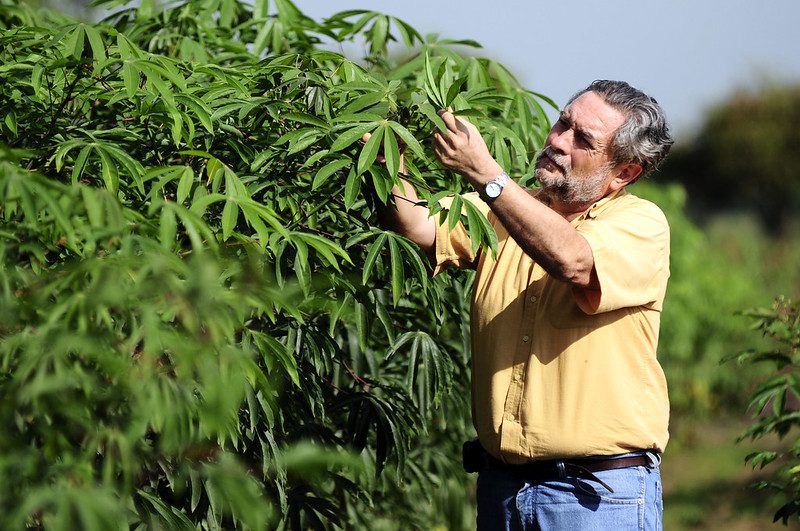
  3. Biocontrol for mealybug: In response to the 1970s mealybug invasion of Africa, which caused widespread famine affecting 200 million people, CGIAR introduced a specific parasitic wasp capable of locating and dispersing mealybugs. The effect resulted in a “ten-fold reduction of cassava mealybug densities and damage in 95% of all fields.” An economic study revealed that a total gain of $20 billion had been made across 27 countries.

Final Remark

The CGIAR’s research, particularly in crop genetics, pesticides and climate adaptation, has resulted in large profits and remarkable benefits for farmers in low-income countries. By improving the crop yields in countries affected by the key drivers of food insecurity, the organization has ensured food security for millions. The organization’s commitment to climate adaptation and technological innovations will allow farmers to become more resilient to climate challenges, thereby minimizing the adverse effects of global warming.

CGIAR’s vision to “Lower greenhouse gas emissions from the agricultural sector by 1Gt per year by 2030” further proves that its goal of alleviating global food insecurity is within reach. By creating long-term solutions through advanced technological innovations, researchers have enabled the creation of farmers capable of adapting to the changing climate.

– Elizabeth Keith
Photo: Flickr

January 26, 2024
https://borgenproject.org/wp-content/uploads/borgen-project-logo.svg 0 0 Lynsey Alexander https://borgenproject.org/wp-content/uploads/borgen-project-logo.svg Lynsey Alexander2024-01-26 07:30:312024-01-25 03:26:46Is CGIAR the Answer to Solving Global Hunger?
Global Poverty

Breaking the Silence: Tackling Period Poverty in the Middle East

Period Poverty in the Middle EastGlobally, period poverty affects around 500 million women and girls. Worldwide, 1.25 billion do not have access to a safe or private restroom and 526 million do not have access at all. For girls in the Middle East, that first period begins a lifetime of adversity. Period poverty in the Middle East is difficult to quantify due to a lack of data, typically as a result of the taboo and stigma surrounding menstruation in this region.

Period Poverty

ActionAid attributes stigma, shame and financial limitations to be at the center of period poverty. Although it manifests itself in other ways too; cultural and environmental circumstances further victimize those who already suffer the devastating consequences of period poverty.

In 2022, the World Health Organization (WHO) called for global recognition of menstrual health to be acknowledged as no longer solely a hygiene concern but also a matter of human and health rights. WHO announced the vitality of those who menstruate to have access to educational resources and readily available sanitation products. The panel concluded that these critical means should be a part of budgets and local and national governments should monitor them.

Inadequate access to menstrual products and sexual health education across the Middle East inhibits the opportunities given to women and girls and drastic wealth inequalities further worsen the situation.

Potentially most potent are the cultural views of women and unrelenting gender inequalities that mean challenges to their menstrual health are often persistent and almost always pervasive to their well-being. Reduced period poverty is vital for the wider reduction of gender inequalities and sexual violence, as well as the promotion of female empowerment.

Cultural Taboos About Periods

Women and girls in the Middle East face systematic oppression under the “male guardianship system,” which further exacerbates gender inequality. Menstruation is considered a culturally sensitive topic in conservative societies such as this.

Period poverty therefore amplifies the already compounded silencing of women across the Middle East and North Africa (MENA) region, and those who stand against discrimination are often subject to harassment or intimidation.

United Nations Population Fund Association (UNPFA) conducted a study involving 69 participants in the Arab States region. As many as 54 participants reporting feeling ashamed, embarrassed or anxious when getting their first menstrual cycle.

One participant said to UNPFA, “I told my mother. She forbade me from eating dinner that night. She gave me soup that I ate alone. I felt I was an outcast. My period every month became an unbearable hell.”

Cultural taboos of menstruation mean women and girls do not have adequate educational opportunities to understand the menstrual cycle fully. In Saudi Arabia, 61% of students believe their teachers talk about sexual health only in a negative way.

This stigma means girls in MENA often feel unable to go to school or have safe conversations about menstruation. One woman told UNPFA: “My mother got married at an early age, and even now she does not even know the basics of the cycle and does not want to learn.”

Displacement Camps in the Middle East

In 2020, displacement camps comprised 3% of MENA’s total population. Period poverty is often more prevalent in these camps due to especially scarce resources. Often, women and girls in these camps have no other choice but to rely on “dirty rags, leaves or even sand” to manage their periods, according to Arab News.

The lack of privacy means women frequently seek out more isolated places to deal with menstruation. However, this presents a new vulnerability – often exposing them to the risk of sexual violence.

In 2019, the United Nations High Commissioner for Refugees (UNHCR) found only 55% of demand for menstrual products in displacement camps was sufficiently met.

With MENA suffering the largest water shortage worldwide, UNICEF recognises the important need for adequate WASH facilities as well as sanitary items, so women and girls can manage their periods safely and with dignity.

Making Progress Through Positive Initiatives

While period poverty in Saudi Arabia and MENA remains prevalent and there is still a lot to do, international bodies and organizations are working on the ground to address it.

UNFPA has been improving access to information and education about menstruation, raising awareness to tackle cultural taboos. As well as this, the organization is distributing “dignity kits” in displacement camps, containing sanitary items, underwear and other female hygiene items to those impacted by humanitarian crises in MENA, according to its website.

A 2016 article by ReliefWeb describes the aid efforts of the humanitarian organization Loving Humanity in Jordan. The organization delivered 12 low-cost sanitary pad machines to Jordan’s Zaatari Camp, which accommodates 80,000 displaced refugees. Each machine can produce 60 pads at a time for only $1. Measures such as these mean women and girls in this camp will have access to clean and safe menstrual products at a low cost.

While there remains much to do, the current trajectory to eradicate period poverty in the Middle East is promising. With ongoing charitable efforts, it is possible to significantly alleviate the barriers that women and girls face during menstruation.

– Sapphire Hope
Photo: Unsplash

January 26, 2024
https://borgenproject.org/wp-content/uploads/borgen-project-logo.svg 0 0 Kim Thelwell https://borgenproject.org/wp-content/uploads/borgen-project-logo.svg Kim Thelwell2024-01-26 01:43:272024-01-26 03:28:24Breaking the Silence: Tackling Period Poverty in the Middle East
Global Poverty, Poverty Eradication

2 Streaming Platforms Aiding the Global Poverty Crisis

Streaming PlatformsTelevision is a cherished modern-day global phenomenon. There is nothing like watching the next episode of a show lounging on a comfy recliner coach on a Friday evening. Whether it is Netflix, Prime Video, Hulu, Disney Plus or even AppleTV, these streaming platforms provide engaging entertainment.

However, apart from the entertainment prowess, these streaming platforms also make a major difference in global issues. These platforms have collaborated with nonprofits, charities and other organizations, as well as established vigorous company guidelines to aid in downsizing the world’s most formidable challenges. Among all these global issues, poverty has been a critical focus. Below are two streaming platforms that have made various prolific efforts against poverty.

Netflix

Netflix, the top streaming platform, prioritizes poverty awareness. Through its Employee Giving Program, it doubles employee donations to global charities, reinforcing its commitment to address and alleviate social issues. Additionally, in 2022, Netflix implemented a policy allowing employees to donate time by volunteering. As a result, Netflix donated a total of $34 million to more than 5,000 charities across the globe.

Disney Plus

Disney+, under The Walt Disney Company, contributes to the global poverty crisis. Investing in the Wildlife Conservation Society, Disney supports Cambodia’s Keo Seima forest, preserving cultural heritage for 2,500 Bunong households, ensuring access to essentials and improving water quality for more than 4,000 residents.

In 2020-2021, Disney provided funding to the FIRST initiative that helped the STEM program provide education to 318,000 underrepresented students globally. Additionally, its 2021 First Book donation program distributed 4.5 million books to children facing poverty. Disney’s commitment to energy efficiency is evident through initiatives like the Castaway Cay solar array, powering 70% of the island and Hong Kong Disneyland, the city’s largest solar panel site with more than 5,000 panels. Disney Parks’ $24 million investment in renewable energy over the last 15 years is also an example of the Group’s commitment to making energy more affordable and sustainable.

Disney and UNICEF

Nevertheless, Disney’s greatest impact on poverty lies in its perennial partnership with the United Nations International Children’s Emergency Fund (UNICEF). The partnership, which was formalized in 1990, is dedicated to creating a brighter future for underprivileged children worldwide. Over the years, Disney and UNICEF have successfully planned and executed many projects in light of this cause.

In 2014, these groups partnered with Entertainment and Sports Programming Network (ESPN) Brazil and Instituto Esporte and Educação (IEE) to support the Sports Caravan program in Brazil. This program allows underprivileged children and adolescents to get access to education and sports through the aid of coaches, athletes and local institutes/organizations. Disney donated more than $1.9 million over three years for 15 Brazilian communities to operate this program. Further, collaborative initiatives in countries like Vietnam, Bangladesh, Haiti and Mexico demonstrate Disney and UNICEF’s shared mission in uplifting impoverished children globally.

Join the Fight

Disney Plus and Netflix, along with other streaming platforms, go beyond entertainment. They are organizations with a mission to address global issues like poverty. While these companies alone cannot eliminate poverty, with the support of more parties, there is hope for achieving more progress.

– Sai Sidharth Kanyaboena
Photo: Unsplash

January 26, 2024
https://borgenproject.org/wp-content/uploads/borgen-project-logo.svg 0 0 Lynsey Alexander https://borgenproject.org/wp-content/uploads/borgen-project-logo.svg Lynsey Alexander2024-01-26 01:30:342024-01-26 04:02:202 Streaming Platforms Aiding the Global Poverty Crisis
Global Poverty

London Restaurants Fighting Global Poverty

London Restaurants Fighting PovertyThere are approximately 20,000 restaurants in London and while many of them are giving back to the local communities they are based in, four London restaurants are fighting global poverty and hunger.

HAWKSMOOR

Founded in 2006, Hawksmoor is an award-winning steakhouse with eight branches across London. The restaurant has made significant contributions to charity through various ongoing schemes and events, raising money for those living in hunger and poverty worldwide. Hawksmoor has partnered with the global charity Action Against Hunger. This charity operates in 51 countries and aims to fight severe acute hunger and malnutrition, especially among children under the age of five. Their goal is to address the root causes of hunger, support communities in their efforts to combat hunger and provide treatment to those who are suffering.

In September and October 2022, as part of Action Against Hungers’ “Love Food Give Food” campaign, Hawksmoor added an optional £1 to every bill, raising a total of £50,000 for the charity. Further, for every chocolate-based dessert purchased, 50p is directly donated to Action Against Hunger, as well as 100% of the profits made when purchasing the Hawksmoor cookbook. 

In addition to providing a continuous donation to Action Against Hunger, for the past 11 years, Hawksmoor has held an annual charity dinner for the organization. The event tends to feature dinner cooked by Michelin Star chefs, such as Angela Hartnett OBE and with all proceeds going directly to Action Against Hunger, almost £1 million has been raised since the event first took place. In total, Hawksmoor has raised more than £1.5 million for the charity and is said to be an “incredibly valued supporter” by Action Against Hunger themselves.

DISHOOM

Founded in 2010 by cousins Kavi and Shamil Thakrar, Dishoom serves authentic Bombay comfort food at 10 different locations across the U.K., seven of which are in London. The original Irani cafes in India were said to “break down barriers” of class, religion, race and culture, welcoming everyone to their cafes no matter their background.

Dishoom maintains these principles and intends to break down the barriers faced by people living in poverty across the globe. Hunger can inhibit a child’s ability to have a formal education, particularly for women and children in developing countries such as India, where nearly 19% of all children live in hunger.

Since 2015, Dishoom has partnered with two charities that fight food insecurity: Magic Breakfast U.K. and The Akshaya Patra Foundation in India. These charities provide free meals to children living in poverty. For every meal purchased in Dishoom, another is donated to a child in poverty. Dishoom has donated a total of 15 million meals so far. With donations like those from Dishoom, the Akshaya Patra Foundation is able to provide meals to four million children across India every year.  

215 HACKNEY

In 2015, friends Ali and Cemal opened 215 Hackney, an independent, local cafe/restaurant in North London. The restaurant serves Middle Eastern-style breakfast and lunch dishes, combining traditional flavors from places such as Israel and Iraq with British comfort food. Influenced by their heritage, with both co-owners originally being from the Kurdistan region in the Middle East, 215 Hackney is partnered with WarChild U.K., an organization supporting children living in poverty caused by war and conflict in areas across the Middle East, Africa and Asia. About 20% of all profits generated at the restaurant are directly donated to WarChild U.K. 215 Hackney also sells a £5 cookbook of Middle Eastern recipes and 100% of all proceeds are donated to the charity organization.

JKS Restaurants 

The JKS Restaurant group was established in 2008 and currently owns 15 different restaurants across London, all of which donate to one of the 25 charities JKS supports each year. In 2022 alone, the JKS group raised more than £185,000 for various charities fighting poverty worldwide. Firstly, 25% of all JKS restaurants are in partnership with Belu Water, a beverage company that donates 100% of its net profits to WaterAid, a global charity that provides clean water and sanitation to those living in poverty. 

However, one restaurant in particular, Hoppers, makes considerable charitable efforts every year. Nodding toward its Sri Lankan and South Indian-inspired menu, Hoppers, who have three restaurants in Central London, managed to raise almost £83,000 in 2023 alone as part of their “Feeding the Future” initiative which provides support to impoverished communities in Sri Lanka. The donated funds have supported more than 1,000 children in rural Sri Lanka, predominantly through the provision of food packages. 

In November 2023, Hoppers opened their first preschool in rural Sri Lanka for local children who otherwise would likely lack access to education. Once a month, Hoppers create a new dish whose proceeds also go toward the initiative, as well as donating all profits sold from their make-it-at-home meal kits. Similarly to Hawksmoor, three of the JKS restaurants took part in Action Against Hunger’s “Love Food Give Food” campaign, adding £1 to every food bill, raising more than £9000, which was directly donated to the charity, adding to the assistance given from London restaurants fighting global poverty.

– Lucy Jacks
Photo: Flickr

January 26, 2024
https://borgenproject.org/wp-content/uploads/borgen-project-logo.svg 0 0 Yana Chukur https://borgenproject.org/wp-content/uploads/borgen-project-logo.svg Yana Chukur2024-01-26 01:30:142024-05-30 22:32:47London Restaurants Fighting Global Poverty
Page 378 of 2180«‹376377378379380›»

Get Smarter

  • Global Poverty 101
  • Global Poverty… The Good News
  • Global Poverty & U.S. Jobs
  • Global Poverty and National Security
  • Innovative Solutions to Poverty
  • Global Poverty & Aid FAQ’s
Search Search

Take Action

  • Call Congress
  • Email Congress
  • Donate
  • 30 Ways to Help
  • Volunteer Ops
  • Internships
  • Courses & Certificates
  • The Podcast
Borgen Project

“The Borgen Project is an incredible nonprofit organization that is addressing poverty and hunger and working towards ending them.”

-The Huffington Post

Inside The Borgen Project

  • Contact
  • About
  • Financials
  • President
  • Board of Directors
  • Board of Advisors

International Links

  • UK Email Parliament
  • UK Donate
  • Canada Email Parliament

Get Smarter

  • Global Poverty 101
  • Global Poverty… The Good News
  • Global Poverty & U.S. Jobs
  • Global Poverty and National Security
  • Innovative Solutions to Poverty
  • Global Poverty & Aid FAQ’s

Ways to Help

  • Call Congress
  • Email Congress
  • Donate
  • 30 Ways to Help
  • Volunteer Ops
  • Internships
  • Courses & Certificates
  • The Podcast
Scroll to top Scroll to top Scroll to top
