Renewable Energy in Namibia Brings Light to Those in Poverty
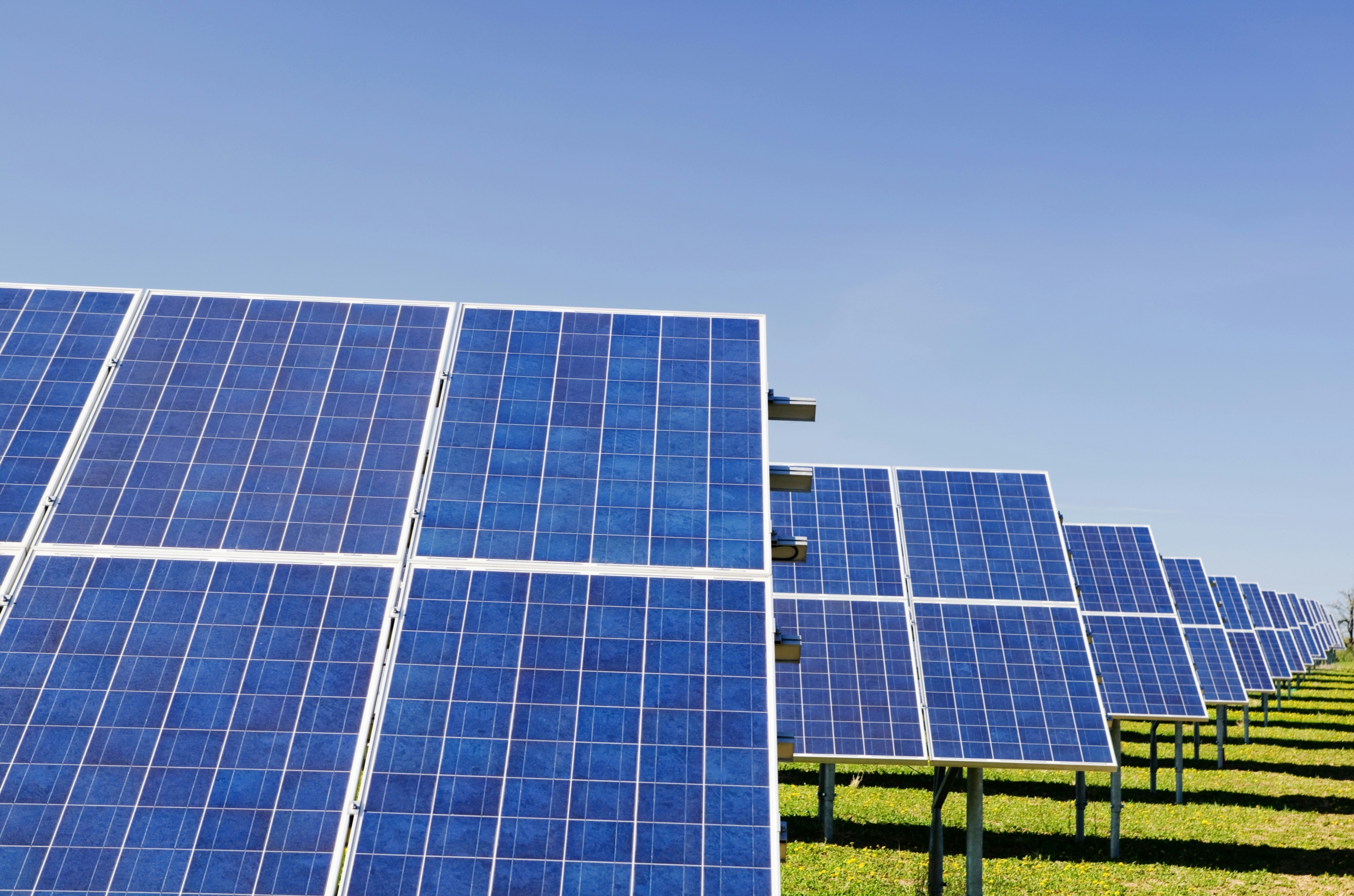 Renewable energy is central in shifting the world’s economy toward relying less on carbon-intensive fuels as countries grapple with the effects of changing weather patterns. However, often left out of the conversation about renewable energy is how it can be a useful tool in alleviating global poverty. The changing state of renewable energy in Namibia, a country located on the southwestern coast of Africa, is a prime example of how these energy sources can help address poverty.
Lack of Access to Electricity
For an upper middle-income country, Namibia has a high population of those who are multidimensionally poor: 43.3% of the country’s population in 2021. Lack of access to electricity is one factor keeping Namibians in poverty, and this is particularly evident in rural areas. In fact, less than 10% of rural residents have access to electricity, often because of the high cost of connecting to the country’s electrical grid. Rural areas are also where the highest concentration of Namibians in poverty live: 59.3% of Namibia’s rural population is considered multidimensionally poor, in comparison with 25.3% of the urban population, according to the Oxford Poverty and Human Development Initiative (OPHI). Access to electricity in rural areas is an important step in helping to alleviate poverty in Namibia’s rural areas.
Energy Consumption and Production
Namibia has a complex relationship with energy consumption and production. Most of the country’s energy consumption does not come from domestic sources– more than 50% of Namibia’s energy supply is imported from neighboring countries like South Africa, Zambia and Zimbabwe. According to the International Renewable Energy Agency (IRENA), in 2020 Namibia relied on fossil fuels for 62% of its energy consumption, while renewable energy in Namibia accounted for 38% of its energy consumption.
The Namibian government has taken large steps in recent years to increase the country’s renewable energy production. As a strategic goal, the Namibian government and NamPower are taking steps for 70% of the country’s energy production to come from renewable energy sources by 2030. Currently, bioenergy is the most common source of renewable energy in Namibia, but the country has also built both hydroelectric and solar plants. Solar and wind energy are promising industries, due to the country’s desert environment and windy coast.
The government has also partnered with a German energy group to develop large green hydrogen capacities (i.e. utilizing renewable energy sources, like solar and wind, to split water into hydrogen and oxygen) in the coming years.
The Benefits
The benefits of these steps toward increased renewable energy production in alleviating poverty in Namibia are multifaceted. Firstly, these expansions could take advantage of local renewable resources to create energy at a local level. This means that rural Namibians, who are more likely to experience poverty, can have access to electricity without having to connect to Namibia’s electrical grid, which can be prohibitively expensive.
Additionally, as local renewable energy production expands, so could the job markets in those areas, creating more jobs in solar, wind, green hydrogen and bioenergy production. This is especially important in Namibia, where high unemployment (33.4% of the working population in 2018) is a large factor in keeping much of the population in poverty.
Finally, as the entire country relies less on energy imports from other countries and even increases its own exports of energy, the entire Namibian economy could benefit, leading to more resources available to further address poverty in both urban and rural areas.
– Lyle Seeligson
Photo: Unsplash
