The Impact of Cash Transfers in sub-Saharan Africa
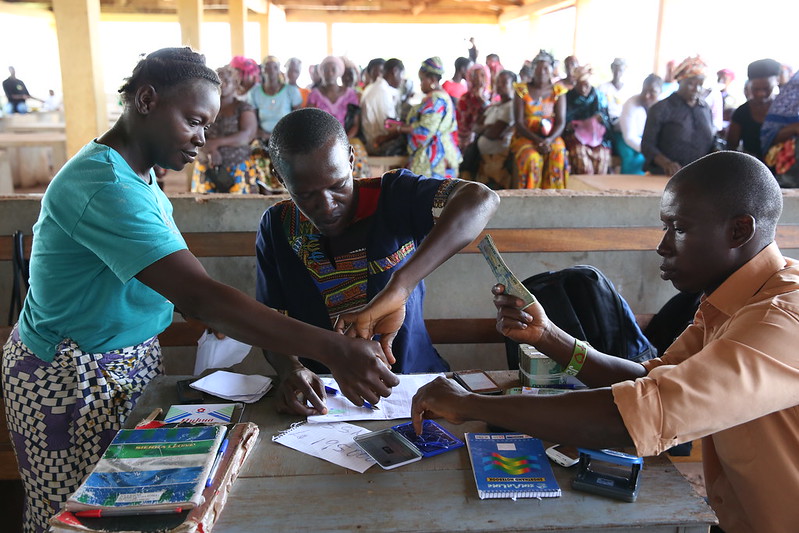 Cash transfer programs have expanded dramatically in the last decade in the sub-Saharan Africa region. It has become the key to social protection strategies and economic empowerment in developing countries. These programs can be either conditional or unconditional, with the majority of the programs’ objectives to improve health, educational status and food security in the most impoverished populations, particularly for children.
Skepticism of Cash Transfers
Even though the social objectives of these programs are respectable, many feel skeptical about their effectiveness. The common concern about giving cash to the poor revolves around the recipient living off and becoming dependent on the cash assistance without actually addressing the root of the problem.
Cash transfers in sub-Saharan Africa target extremely poor and labor-constrained households. The purpose of these cash transfers is to stimulate positive changes in behavior and increase demands for services. The transfers are also distinctive from programs in other regions due to their “soft” conditions. This means no penalties for nonfulfillment and low monitoring due to the associated cost of enforcement.
Benefits in the Long-term
A study looking at six countries, Ethiopia, Ghana, Kenya, Lesotho and Malawi, found positive livelihood impacts from cash transfers in sub-Saharan Africa. They found that a small amount of cash allows the beneficiaries to make better choices, which leads to better livelihood outcomes in the long-term.
In particular, cash transfers reduced negative risk-coping strategies. This included begging or taking children out of school, in Malawi, Ethiopia and Lesotho. Beneficiaries of cash transfers are also able to support other households or receive better social protection systems and manage risks.
Much of the research seems to confirm the general positive impacts that the cash transfers have in sub-Saharan Africa. Cash transfers not only alleviate poverty by redistributing resources to the poor but also foster an individual’s economic autonomy and self-sufficiency. Additionally, research also finds an increase in school attendance for the beneficiaries; however, the quality of education does not necessarily increase.
Working Less?
Further, there is limited evidence suggesting that cash transfers would contribute to adults working less. On the contrary, cash transfer programs can lead to more productive labor activities. The cash transfer program in Zambia led to a 34 percent increase in the use of agricultural inputs. This, in turn, led to a 50 percent growth in the value of overall production. Similarly, cash transfer programs in Lesotho, Ghana and Malawi also brought about an increase in investment in livestock ownership and other agricultural activities.
Nonprofit Efforts
A nonprofit organization, GiveDirectly, has been distributing cash to the poor in sub-Saharan African countries for a decade. Recently, researchers partnered with the organization and conducted an experiment to study the impact of cash transfers in sub-Saharan Africa by giving $1,000 to more than 10,500 households in a Kenyan village over the course of eight months. Findings indicated that every $1 of cash delivered generated $2.60 in additional spending or income in the area. Consequently, cash transfers benefited not only the individual recipients but the overall economy in each locality.
The research on the impacts of cash transfers in sub-Saharan Africa supports the positive effects of these programs. Further, these benefits extend to both beneficiaries and their non-recipient neighbors. There is little to no evidence suggesting that cash transfers can reduce labor supply or work efforts of the recipient households. Cash transfers not only provide monetary means to alleviate basic immediate needs, but also allow recipients to make better life choices and invest in productive economic activities.
– Minh-Ha La
Photo: Flickr
