World Blood Donor Day and Blood Donations in Developing Countries
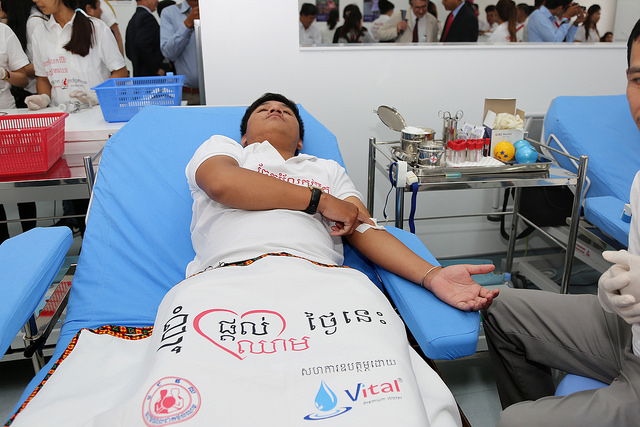
Every year since 2004, countries around the world have celebrated World Blood Donor Day on June 14 and this year plans to be no different. While the day this campaign falls on is the same, the theme varies each year. This year’s theme is blood donation as an act of solidarity and highlights the human values of respect, empathy and kindness. These three traits ultimately sustain the voluntary unpaid blood donation system present today.
Blood Donations
Blood donations in developing countries are essential to help support and uplift those in need. Up to 65 percent of blood transfusions are given to children under the age of five years old from blood donations in developing countries. In these low and middle-income countries, these blood transfusions are for those with pregnancy-related complications or severe childhood anemia.
Blood transfusions given to those in need help thousands live longer and have a higher quality of life. Although, blood transfusions are only useful if the blood is safe — it was estimated that 5-10 percent of HIV infections in the 1980s was due to unsafe blood transfusions. Globally, in 2006, up to four million had been infected with HIV due to unsafe transfusion of blood.
Keeping blood safe is therefore imperative to sustaining global health, yet “equitable access to safe blood still remains a major challenge in many countries,” said Doctor Edward Kelly, the director of service delivery and safety at the World Health Organization in a recent news release. “Providing safe and adequate supplies of blood and blood products should be an essential part of every country’s national health care policy and infrastructure.”
Ensuring Blood Safety
One of the main reasons many countries have unsafe blood donations is because these countries lack policies, procedures and/or resources for ensuring the safety of blood.
Only 46 percent of blood donations in developing countries screen blood for HIV. There are five steps that the World Health Organization (WHO) recommends to ensure blood safety in developing countries:
- Establish a national blood system: Organize and coordinate blood transfusion services, have effective and ethical national blood policies and proper legislation and regulation. Doing these steps will provide safe blood and blood products to those in need in a timely manner.
- Collect from low-risk, regular, voluntary unpaid donors: Collect blood from these type of donors to ensure the donation system is strengthened and able to provide better resources.
- Quality-assured screening: Provide specific screening for all donated blood to see if there are transfusion-transmissible infections. By doing this action, these donations centers will be able to see if blood is safe or not.
- Rational use of blood and blood products: Ration the blood/blood products to reduce unnecessary transfusions and the chance of transmitting possibly unsafe blood.
- Implement a system: Implement an effective and quality system that includes proper management, manufacturing practices, documentation, training of staff and quality assessment.
Time to Donate
If just 1 percent of a country’s population donated blood, more of the people in need could have their basic health requirements met; the time is now to take steps to donate blood.
This year, the WHO calls for an increase in blood donations as numbers continue to rise of those in need. As June 14 draws closer, countries around the world must remember the call from the World Health Organization and this year’s World Blood Donor Day slogan: “Be there for someone else. Give Blood. Share Life.”
– Victoria Fowler
Photo: Flickr
