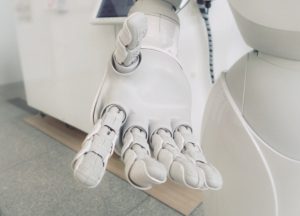
In the heart of Africa, where languages are as varied as the sunsets, a new dawn emerges with ChatGPT innovation, promising not just linguistic preservation but a revolution in education and industry. The African continent, with its vast expanse and rich cultural heritage, is home to a myriad of languages. From the melodic tones of Swahili to the rhythmic beats of Zulu, each language tells a story, a history, a way of life. Yet, many of these linguistic gems are teetering on the brink of extinction. Enter ChatGPT, a beacon of hope in the twilight of Africa’s linguistic diversity and a tool for modernization.
A Continent at a Crossroads
Africa’s linguistic diversity is unparalleled. The continent boasts more than 2,000 distinct languages, with some countries like Nigeria housing more than 500 languages alone. But with globalization and the dominance of a few major languages, many indigenous tongues are fading away, their whispers growing fainter with each passing generation.
The loss of a language is not just the loss of words. It is the loss of history, culture and identity.
ChatGPT: The Digital Rescuer and Modernizer
Amidst this linguistic crisis, ChatGPT emerges as a glimmer of hope. Developed by OpenAI, this groundbreaking artificial intelligence is not just a chatbot. It is a linguistic bridge, a digital historian, an educational tool and a modernizer rolled into one.
In remote African villages, where traditional classrooms and teachers are limited, ChatGPT offers a virtual learning experience. Children and adults alike can interact with the AI, learning not just global languages like English or French, but also their native tongues. The AI’s adaptability ensures that it can teach and converse in a multitude of African languages, ensuring that even the most endangered dialects are preserved and passed on.
Moreover, the interactive nature of ChatGPT makes learning more engaging. Instead of rote memorization from textbooks, learners can have dynamic conversations with the AI, asking questions and seeking clarifications in real time. This learning approach, reminiscent of the Platonic dialogue, allows students to delve deeper into their understanding of knowledge while exploring how to better utilize AI. In regions where educational resources are limited, and teachers specialized in certain dialects are few, ChatGPT stands as a testament to how technology can be harnessed to preserve cultural heritage and empower communities.
Therefore, ChatGPT is playing a pivotal role in documenting oral histories that back the different languages. With the younger generation’s increasing disconnect from their roots, these oral tales risk being lost forever. ChatGPT, with its vast storage and processing capabilities, can record, transcribe and even translate these stories, ensuring they remain alive for future generations.
Beyond Linguistics: A Revolution in Education
Recent scholarly endeavors have proposed a flexible higher education system that emphasizes vocational–technical education, with LLMs (Language Learning Models), represented by ChatGPT, serving as a pivotal teaching aid. This framework seeks to merge the traditional with the modern, ensuring the development of employment and the preservation of traditional culture in Africa.
Scholars have placed a keen focus on TVET, the agricultural and food industry, and health care and emergency education. In post-apartheid South Africa, the disruption of indigenous technical knowledge (IK) due to colonial history made higher education nearly unreachable and indigenous vocational training almost absent. LLMs offer a chance to rejuvenate and modernize these practices.
The agricultural sector stands to gain significantly by merging nutritional TVET with best practices, using LLM to address colonialism’s lingering issues. As Africa becomes a manufacturing hub, there is an urgent need to familiarize itself with ‘collaborative robots,’ or COBOTS, especially given the continent’s increasing software dependency on the West. Moreover, in health care, LLMs can be instrumental in crafting efficient emergency response systems, leveraging local insights for more effective community-based interventions.
A Voice for the Future
As the world stands at the crossroads of linguistic preservation and progress, ChatGPT offers a path forward. It ensures that the voices of Africa, both old and new, resonate loud and clear. In the symphony of global languages, Africa’s linguistic diversity will prevail. With ChatGPT, people will celebrate and cherish them, and carry them into the future.
Additionally, ChatGPT democratizes knowledge, allowing individuals in areas with limited educational resources to access cutting-edge information, thereby enhancing their employability and competitiveness in the job market.
– Yudi Zhang
Photo: Unsplash

China’s Housing Paradox
Since August 2021, China’s housing market has been in steep decline, which could spell disaster given that real estate constitutes almost a third of China’s economy. With Ghost Cities remaining empty across the country, a housing paradox presents itself, in which there is a huge housing surplus, yet also a large homeless population. Redefining what it means to be homeless in the context of China’s hukou system provides a way forward that could benefit both its affluent, as well as those at the bottom of the social hierarchy.
The Hukou
The hukou is a Chinese registration system that gives citizens preferential access to jobs, health care, land and other services in their birth area. However, this scheme was put in place to curb mass migration towards cities as the country began to industrialize. By prohibiting people from jobs, schools and buying land from areas outside of the space they were assigned to under the hukou, it effectively prohibited internal migration.
This restrictive system resulted in huge inequalities across the country as Maoist Socialism favored cities due to their economic potential, whilst rural areas were left underfunded and subjected to forcibly low grain procurement prices. Consequently, rural poverty was rampant, reaching a height of 96% in 1980. Fei-Ling Wang, political scientist and author of “Organizing Through Division and Exclusion: China’s Hukou System,” says that the hukou was essentially a caste system in which city babies were born into privilege.
Former Chairman Deng Xiaoping’s government relaxed the system in the 1980s, allowing internal migration. However, people originating from rural regions still lack many rights to formal employment, property and education for their children in cities, allowing inequality to persist.
While China’s government estimated that just above 1% of the population was homeless in 2019, He et al. advocate expanding the definition of homeless. Rural migrants are forced by hukou restrictions to live in overcrowded and unsanitary informal settlements in cities. Alongside poverty, said settlements are very precarious as they could easily be cleared without any notice, given that migrants have no legal claim to the land. In the American Journal of Sociology and Economics, Huili He et al. expand the definition of homeless to include struggling rural migrants, so that China’s homeless population reaches 300 million, which is more than 20% of the population. Clearly, China’s government is minimizing the homelessness problem, which is better characterized as a crisis.
The Housing Bubble
While it would be an exaggeration to say that China’s housing market is in freefall, private data shows house prices are steeply declining, with prices in tier 1 cities such as Beijing and Shanghai falling by more than 15%. This is far above government estimates.
China’s huge population created huge demand which propelled the housing market to this size. Also, due to a lack of investment alternatives, many citizens buy secondary or even tertiary homes as a form of investment. These homes are often sold after their prices have increased, or they are given to future generations of children and grandchildren. Regarding supply, Chinese local officials tend to invest in huge housing projects to reach high GDP growth targets and improve their reputation in Beijing.
Consequently, even before the COVID-19 pandemic, supply began to far outstrip demand as China’s birth rate slowed. The country is littered with ghost cities. These are huge developments with countless towering apartment blocks that are uninhabited. One of the most famous is Ordos City, which attracted attention in 2009 for being empty. A Forbes update in 2016 noted that 100,000 people lived there, although the city was originally built for more than 1 million.
China’s attempts to achieve ‘zero COVID’ resulted in numerous lockdowns, some lasting into 2022. This had many ramifications. Many property developers risked defaulting on their loans. Chinese properties are often sold prior to their construction and many residents had exchanged their land in return for a newly constructed apartment. However, some construction projects have ground to a halt, resulting in many residing in cramped temporary housing with little hope for a home. With a vacancy rate of over 20%, this contraction in supply has applied no upward pressure to prices.
Regarding demand, the plight of developers has severely shaken consumer confidence, resulting in many choosing to save rather than invest in real estate. The COVID-19 pandemic also diminished purchasing power and increased youth unemployment to more than 20%. Therefore, more young people live with their parents, diminishing the need for secondary and tertiary properties. Real estate demand has steeply fallen, depressing prices.
The Paradox
China is confronted with a housing paradox. The housing market is crashing, yet more than a fifth of the Chinese population is homeless. While many efforts have focused on curbing rural-to-urban migration, ghost cities present a wiser alternative. The government should focus on ending its concentration of services and opportunities in tier 1 cities and spread them further out across the country in lower tier cities. This would attract migrants away from Beijing, Shenzhen and Shanghai towards cities that are underpopulated. It would both increase real estate demand and decrease homelessness.
However, solving this housing paradox demands many prerequisites. First, it would require huge government planning and assistance to facilitate migration and aid those at the bottom of society to get onto the property ladder. While NGOs such as the China Foundation for Rural Development have been very successful at alleviating rural poverty through diverting tourism to these areas, much urban poverty has been ignored. Second, this solution would require abolishing, or at least significantly relaxing, the hukou. The Lowy Institute claims that this would increase housing demand and overall be a significant boost for the Chinese economy. However, relaxations to the hukou have been very slow, and its cultural significance should not be underestimated — meaning that abolishing it is a huge task.
China’s housing paradox presents the country with a stark truth. If its economy hopes to survive, it needs to significantly reform culturally and end its highly restrictive migration policy in favor of free market labor and service movements. Whether the one-party system is willing to allow this remains to be seen.
– Ryan Ratnam
Photo: Flickr
ChatGPT and Africa’s Linguistic Diversity
In the heart of Africa, where languages are as varied as the sunsets, a new dawn emerges with ChatGPT innovation, promising not just linguistic preservation but a revolution in education and industry. The African continent, with its vast expanse and rich cultural heritage, is home to a myriad of languages. From the melodic tones of Swahili to the rhythmic beats of Zulu, each language tells a story, a history, a way of life. Yet, many of these linguistic gems are teetering on the brink of extinction. Enter ChatGPT, a beacon of hope in the twilight of Africa’s linguistic diversity and a tool for modernization.
A Continent at a Crossroads
Africa’s linguistic diversity is unparalleled. The continent boasts more than 2,000 distinct languages, with some countries like Nigeria housing more than 500 languages alone. But with globalization and the dominance of a few major languages, many indigenous tongues are fading away, their whispers growing fainter with each passing generation.
The loss of a language is not just the loss of words. It is the loss of history, culture and identity.
ChatGPT: The Digital Rescuer and Modernizer
Amidst this linguistic crisis, ChatGPT emerges as a glimmer of hope. Developed by OpenAI, this groundbreaking artificial intelligence is not just a chatbot. It is a linguistic bridge, a digital historian, an educational tool and a modernizer rolled into one.
In remote African villages, where traditional classrooms and teachers are limited, ChatGPT offers a virtual learning experience. Children and adults alike can interact with the AI, learning not just global languages like English or French, but also their native tongues. The AI’s adaptability ensures that it can teach and converse in a multitude of African languages, ensuring that even the most endangered dialects are preserved and passed on.
Moreover, the interactive nature of ChatGPT makes learning more engaging. Instead of rote memorization from textbooks, learners can have dynamic conversations with the AI, asking questions and seeking clarifications in real time. This learning approach, reminiscent of the Platonic dialogue, allows students to delve deeper into their understanding of knowledge while exploring how to better utilize AI. In regions where educational resources are limited, and teachers specialized in certain dialects are few, ChatGPT stands as a testament to how technology can be harnessed to preserve cultural heritage and empower communities.
Therefore, ChatGPT is playing a pivotal role in documenting oral histories that back the different languages. With the younger generation’s increasing disconnect from their roots, these oral tales risk being lost forever. ChatGPT, with its vast storage and processing capabilities, can record, transcribe and even translate these stories, ensuring they remain alive for future generations.
Beyond Linguistics: A Revolution in Education
Recent scholarly endeavors have proposed a flexible higher education system that emphasizes vocational–technical education, with LLMs (Language Learning Models), represented by ChatGPT, serving as a pivotal teaching aid. This framework seeks to merge the traditional with the modern, ensuring the development of employment and the preservation of traditional culture in Africa.
Scholars have placed a keen focus on TVET, the agricultural and food industry, and health care and emergency education. In post-apartheid South Africa, the disruption of indigenous technical knowledge (IK) due to colonial history made higher education nearly unreachable and indigenous vocational training almost absent. LLMs offer a chance to rejuvenate and modernize these practices.
The agricultural sector stands to gain significantly by merging nutritional TVET with best practices, using LLM to address colonialism’s lingering issues. As Africa becomes a manufacturing hub, there is an urgent need to familiarize itself with ‘collaborative robots,’ or COBOTS, especially given the continent’s increasing software dependency on the West. Moreover, in health care, LLMs can be instrumental in crafting efficient emergency response systems, leveraging local insights for more effective community-based interventions.
A Voice for the Future
As the world stands at the crossroads of linguistic preservation and progress, ChatGPT offers a path forward. It ensures that the voices of Africa, both old and new, resonate loud and clear. In the symphony of global languages, Africa’s linguistic diversity will prevail. With ChatGPT, people will celebrate and cherish them, and carry them into the future.
Additionally, ChatGPT democratizes knowledge, allowing individuals in areas with limited educational resources to access cutting-edge information, thereby enhancing their employability and competitiveness in the job market.
– Yudi Zhang
Photo: Unsplash
Poverty Reduction in Ghana: Joy2TheWorld and Early Education
Emphasizing Potential
The International Labor Organization (ILO) is a United Nations agency geared towards “promoting jobs” and “protecting people.” In their article “Working Out of Poverty in Ghana,” the ILO explains that Ghanaians face persistent poverty.
The ILO emphasizes that Ghana’s poor need “gainful employment” to “move out of poverty.” The organization then highlights the need to strengthen the “bridge” from “often rudimentary school education to gainful employment” to aid poverty reduction in Ghana.
Limited Resources
Limited resources have left the Ghanaian public school system “overstressed.”
In an article for GhanaWeb, a news outlet supporting Ghanaian journalism and content creation, educationist Dr. Ahmed Jinapor highlights the insecurity of the country’s public school system. He explains that a “lack of funding” has left the public school system “ineffective.” Dr. Jinapor believes that until the Ghanaian economy is “robust” enough to adequately support the needs of schools and educators, the country’s public school system will continue to face “challenges.”
Alternative Early Education Resources
The challenges facing Ghana’s public sector have increased the need for alternative early education resources. Because of the instability of Ghana’s public school system, the work of organizations providing alternative early education resources for Ghana’s youth is invaluable. One of these vital organizations is known as ‘Joy2TheWorld’.
Joy2TheWorld International Christian Academy is a Medie, Ghana school “with a mission to break the cycle of poverty.” Since Joy2TheWorld opened its doors in 2013, the school’s philosophy has been that the first step towards poverty reduction in Ghana is ensuring the youth of Ghana receive the ample education they deserve.
EmpowerED is a documentary about the school’s work to “illuminate paths out of poverty through education.” The BORGEN Project had the opportunity to learn more about Joy2TheWorld and their incredible work in an interview with Zayd Milkias, the documentary’s director and producer.
Driven to Learn
“They are driven to learn; they are driven by curiosity.” Milkias said that what stuck with him the most from his time in Medie was “How much detailed care was taken towards these students’ education.”
The filmmaker described how, when observing the school’s students, he saw, “It was instilled in them that school went beyond the concept of being able to pass a test and was more about learning to be curious.”
Outside of their exceptional care for their students, what makes Joy2TheWorld unique is that they are privately funded. Milkias explained in his interview that the school is an ‘NGO,’ or ‘non-government organization,’ operating mainly on U.S donations.
The filmmaker clarified that the education provided to students at Joy2TheWorld is “superior” when held “in comparison to what is publicly available.” Faculty at Joy2TheWorld explained to him that the West African country’s public schools “cram classrooms” and regularly struggle with a “lack of academic supplies.”
“Eye-opening”
When asked to summarize his experience in learning more about Joy2TheWorld and the work that they are doing for the youth of Ghana, Milkias let the phrase hang in the air, leaving a lasting impression. Now, he wants to open the eyes of others.
When asked if there was one thing he wanted EmpowerED to tell the world about global poverty, the filmmaker had one message: “Education will take you a long way.”
The EmpowerED website emphasizes that Joy2TheWorld’s central goal is “illuminating paths out of poverty through education.” Milkias wants the world to know that education can be the difference between a life struggling to sell goods “on the side of the road” and the opportunity to “become more.”
Making a Change
Milkias explained that, in making this documentary, his primary purpose was exploring an organization doing important work for poverty reduction in Ghana through the education of the youth; more than anything, he wants to help Joy2TheWorld gain exposure.
When asked what he hoped EmpowerED would mean for his audience, Milkias explained he wants “people to walk away from the documentary feeling that they can help.” He concluded with the message that “there is this incredible organization out there somewhere in the world, whether it be Joy2TheWorld or another one, and you can actively help.”
– Rosemary Wright
Photo: Flickr
Educating Mayan Women in Guatemala: MAIA Impact School
Ethnic Divides: A History of Discrimination in Guatemala
Historically, Guatemala has seen some of the lowest educational attainment rates in Latin America and the highest levels of disparity in wealth and opportunity between indigenous and nonindigenous communities. To bridge ethnic divides at a supranational level, the U.N. General Assembly promulgated the International Decade of the World’s Indigenous Peoples in December 1994. Despite its aims, findings ten years later reported no significant improvement in poverty or education rates across Latin America. This lack was especially prevalent in countries with the highest concentration of indigenous peoples, including Guatemala.
Political underrepresentation and limited social participation of Mayan communities have continued to problematize social equity in Guatemala. Some experts point to a lack of Spanish literacy among rural indigenous communities as a contributing factor. Yet until recently, international aid groups have tended to focus only on addressing broader inequalities nationwide. As a result, indigenous-centric projects have gone remiss by a large portion of overseas funding.
Mayan Women Continue To Face Marginalization
As such, more attention is needed to address specific challenges around educating Mayan women in Guatemala. Since the COVID-19 pandemic, less than 20% of Mayan girls have finished high school, with 57% becoming mothers by age 20.
Prevailing cultural norms have neglected the importance of female education, which has had implications on current poverty rates in indigenous communities. Sololá, where 98% of the population is Mayan, has around 75% of civilians living on less than $2 a day.
By Women, for Women: The MAIA Impact School
In 2017, MAIA Impact School was founded in Sololá as a project explicitly targeted at educating Mayan women in Guatemala. MAIA enrolls young girls in intensive programs that aim to provide two years of academic growth in just a single year. These programs are combined with socioemotional development initiatives, including classes on reproductive health, community engagement and leadership development.
In light of stagnant school attendance rates after the COVID-19 pandemic, MAIA established “Project Impulso,” a leveling program to reinforce student performance in core academic areas, such as mathematics, literacy and languages. As of 2022, the school has maintained a 98% retention rate.
Vital Support From Outside
This year, MAIA’s staff team is now 100% indigenous and female-led, proving monumental in providing students with role models. The project has been endorsed by the British Embassy in Guatemala, with the ambassador having met with MAIA leaders and voicing his support for the initiative.
The impact school has been partnered with the global education community group Mona since 2022. Mona has donated over $17 million to the cause. This year, the project aims to accumulate $40,000 in funding to train at least 30 more teachers, provide internet access in buildings and implement “assessment tools” to track student progress and identify areas for improvement.
In 2021, the nonprofit group Team4Tech, which works to minimize digital gaps in “under-resourced” learning facilities worldwide, partnered with MAIA. The team has been helping to integrate technology into classrooms and provide stable and reliable internet access. They have also outsourced eight Barracuda volunteers specializing in digital safety to educate Mayan women about online safety and digital security, including preventative measures against bullying and identity fraud.
Beyond School: Education and Empowerment in Mayan Society
Community-based efforts show promising signs that Mayan women are gaining agency and self-empowerment outside of academia. The Asociación de Mujeres del Altiplano (Association of Highland Women or AMA) has hosted “Women’s Circles” since 1995. The AMA designed these events to encourage autonomy and entrepreneurship within the community, resulting in projects that have seen the construction of community centers, classrooms and sanitation systems. AMA works on these projects with the Highland Support Project, its sister group in the U.S.
While groups like MAIA have made strides in educating Mayan women in Guatemala, change is needed from a grassroots level to shift normative cultural behaviors that exclude women from the wider world. However, with efforts made by community-based initiatives, such orthodoxies in indigenous society have become less rigid.
– Cara Jenkins
Photo: Flickr
Morocco Earthquake Aid: Compassion in Action
The Earthquake’s Impact
With its epicenter in the remote region of the Atlas Mountains of Morocco, the Morrocco earthquake measured a magnitude of 6.8, resulting in widespread devastation. Immediate challenges included search and rescue operations, medical assistance and the provision of essential supplies to affected regions.
A Swift and Effective Response
IFRC, the world’s largest humanitarian network, was among the first responders. The Moroccan branch of the organization, the Moroccan Red Crescent, rapidly deployed teams to affected areas. Their comprehensive efforts included distributing food, water and medical supplies and establishing temporary shelters for displaced families.
The IFRC’s response to the Morocco Earthquake was so rapid that just four days after the earthquake on September 12, the organization launched an emergency appeal for 100 million Swiss francs (about $109 million) to support relief efforts in the country. The rapid response from both local and international organizations has been truly remarkable.
Benoit Carpentier, a spokesperson for the IFRC, said: “The Moroccan Red Crescent’s local knowledge is invaluable. They are our guiding force, making sure that our response is as effective as possible. We must continue to mobilize support for the weeks and months ahead to ensure that no community, no individual, is left behind.”
Community Resilience
Within the Moroccan earthquake-affected communities, individuals demonstrated remarkable solidarity. Neighbors quickly formed bonds in their shared adversity, pooling resources, offering shelter to those who had lost their homes, and extending helping hands wherever necessary. These acts of kindness highlighted the strength of unity during challenging times and underscored the unwavering support of the Moroccan people.
International Aid and Solidarity
Beyond Morocco’s borders, the nation received support from several countries worldwide. Foreign governments, non-governmental organizations and individuals joined hands to provide financial aid, medical supplies and disaster relief expertise. Morocco accepted international aid from four countries: the U.K., Spain, Qatar and the UAE. These four nations collaborated to provide cutting-edge search technology, such as seismic listening devices and concrete-breaking equipment, to assist in rescuing those trapped under buildings.
Survivors’ Stories
Stories of survival and resilience emerged amid the wreckage and despair of the Morocco earthquake. One such story is that of Nezha, a heavily pregnant woman who found herself going into labor just ten days after the earthquake struck. She gave birth to a beautiful, healthy baby boy, Anas, in a makeshift medical tent in the middle of the street. Despite the limited medical supplies, Nezha’s smile shone brightly, and the birth of Anas offered a ray of hope to the affected community.
The 2023 Morocco Earthquake posed significant challenges to the nation. However, it also showcased Moroccan society’s remarkable capacity for compassion, unity and solidarity. The stories of individuals and organizations extending a helping hand to those affected by the earthquake underscore the resolute human spirit and the power of collective action in times of adversity.
– Genevieve Martin
Photo: Pixabay
Ons Jabeur Is Dubbed Tunisia’s “Minister of Happiness”
Ons Jabeur is a consistent top 10 female tennis player from the North African country of Tunisia. With a career-high world ranking of number two achieved in June 2022 and becoming grand slam runner-up at Wimbledon in 2022 and 2023, Jabeur is challenging gender norms in her home country. During the Wimbledon tennis tournament in 2022, Jabeur became the first African woman and the first Arab tennis player to reach a tennis grand slam singles final in the open era, says The Conversation.
Her symbol as a “beacon of hope and strength” in Tunisia comes from her successes and her positive and gracious attitude on the tennis court, in both wins and losses. Her upbeat personality and positive attitude have led to local Tunisians calling her Tunisia’s “Minister of Happiness.”
Jabeur’s Journey
Jabeur’s journey to the top of the tennis world has not been without its challenges. Born in Ksar Hellal in Tunisia in 1994, a small town on the east coast of Tunisia, Jabeur was first introduced to tennis by her mother when she was a toddler.
However, due to tennis’s lack of popularity in Tunisia, there were very few resources available for Jabeur to train. For the early years of her tennis training, Jabeur relied upon access to hotel tennis courts. When she was twelve, Jabeur relocated to Tunisia’s capital, Tunis, 90 kilometers away from her family, to access better tennis facilities unavailable in her hometown. In 2011, during the height of the Arab Spring, Tunisia’s “Minister of Happiness” first achieved major success and became the first Arab woman to win the Roland Garros Juniors competition.
Tunisia’s Current Situation
Tunisia’s Minister of Happiness, Jabeur, has been a significant figure of hope for Tunisians in recent years. Tunisia is facing an economic and refugee crisis, with the country’s poverty rates increasing over the last decade. In 2015, the poverty rate stood at 15.2% of the population. In 2020 alone, poverty increased by 7% in a year, from 14% to 21%. As of 2021, 16.6% of the population lived under the national poverty line, according to the World Bank.
The COVID-19 pandemic significantly impacted Tunisia and its economy, with rising inflation the primary issue. In February 2023, Tunisia’s inflation rate increased for the 18th consecutive month to 10.4%, up from 6.16% in August 2021.
Tunisia has seen a huge regression in the democratic systems of the country that were initiated after the Arab Spring in the early 2010s. Tunisia’s current President, Kais Saied, led a particularly undemocratic power grab in July 2021, weakening governmental institutions meant to keep presidential powers in check. In September 2021, Saied suspended the majority of the 2014 constitution — the roadmap for Tunisia’s transition to democracy — and granted himself almost unlimited powers to rule solely by decree.
But perhaps one of the most concerning developments in Tunisia in recent months has been the Tunisian government’s forced removal of Black Tunisians. In July 2023, President Saied’s security forces expelled several hundred Black African migrants and asylum seekers to a remote, militarized buffer zone on the border between Tunisia and Libya.
Charity Work
Tunisia’s Minister of Happiness brings hope to struggling Tunisians while also actively working to help the situation in the country through charity work. In 2023, Jabeur donated 100 euros for every drop shot — one of Jabeur’s signature shots — she hit at the Wimbledon championships to help renovate a school in Tunisia. Jabeur also donated her tennis racquets for an auction, donating its funds to renovating and improving a hospital in Tunisia, which raised over $27,000. The money was used to increase the number of beds, staff and level of oxygen supplies at the hospital.
In 2022, the Peace and Sport charity, based in Monaco, awarded Jabeur the Peace Champion of the Year award for her work promoting peace in the world and for being “a source of inspiration for women and youth around the world.”
But as Tunisia’s Minister of Happiness, Jabeur inspires not only women and youth but all Tunisians and African people. She symbolizes what can be achieved despite the odds and of giving back to the community and country that raised her.
– Eleanor Lomas
Photo: Flickr
Mitigating Drought in the Horn of Africa
Impacting the Vulnerable
Those living in poverty struggle the most with climate-related disasters as their access to basic needs like food and water is limited. Droughts affect many areas of daily life, from agricultural output to air pollution and deforestation. Deforestation leads to diminishing numbers of trees and plants to capture pollutants from the air, like CO2, that worsen droughts and increase the risk of wildfires.
Mitigating drought in the Horn of Africa includes diminishing many environmental risks to the continent. Areas affected by droughts include nearly every area in Africa, and six consecutive rainy seasons with no rain have been devastating. The world recognizes the importance of the crisis, and many countries have committed significant resources to the fight.
Aid Efforts
In May of 2023, the United States, in partnership with Germany and the United Kingdom, announced a combined $869 million in humanitarian aid for the Horn of Africa. The Netherlands has committed another $92 million, and the funding will support efforts to combat extreme weather patterns while illuminating the severity of these climatic events. The U.S. has now committed $1.4 billion in assistance for recovery and prevention.
The drought in the Horn of Africa put 37 million people at risk, and NGOs worldwide moved quickly to help as many people as possible. As of March 2023, USAID provided cash transfers so residents could purchase food from local markets where it was available. Alongside the Bureau of Humanitarian Assistance, it supported the WASH program that aims to prevent the outbreak of diseases, like acute malnutrition, by rehabilitating conflict-affected water systems. WASH made it possible to provide clean drinking water to 3 million people in March 2023 alone.
UNICEF was on the ground distributing what it calls Ready-to-Use Therapeutic Food, a highly effective treatment in combating acute malnutrition. UNICEF has the world’s largest stockpile and utilizes it, providing aid to 1.5 million at-risk children. The World Food Programme responded to Ethiopia by providing food assistance to 3.3 million people and another 2.4 million in Somalia; other efforts included education on sustainable water management and well-building.
Home Grown SolutionsDrought
Africa accounts for nearly 44% of severe droughts recorded in the last 100 years. Billions are lost in economic resources, and the human suffering is unmeasurable. The importance of humanitarian aid cannot be understated in Africa, but many ways to mitigate climate change-related incidents, like droughts, can be found within its borders.
Kenya is investing in community water sources to lessen its dependence on rain-fed agriculture. Zimbabwe is looking for ways to improve its food security by incorporating drought-tolerant varieties of maize. This change is crucial as 3.8 million people in rural areas face food insecurity. In the Horn of Africa sits Ethiopia, which has launched a program that helps poor communities by working toward becoming food self-sufficient, meaning struggling communities can develop the ability to produce enough food for their needs.
The Great Green Wall Initiative is the most ambitious plan to tackle climate change. With eleven countries involved, the TGGWI was put into motion in 2007 and is designed to fight desertification by planting millions of trees from the west coast of Senegal across the country to Ethiopia in the east, creating a giant green wall beneath the Sahara Desert. Ethiopia has seen success with the program as 37 million acres of degraded land have been restored, with more to come.
Africa is geographically located in a region prone to intense temperatures, and extreme weather patterns affect the African continent more than any other. Failed rainy seasons are piling up, but international aid, including education on sustainable water methods, has helped alleviate climate-related effects. Africa’s people have proven time and again they are resilient and have proven that once again by generating ways to mitigate extreme weather patterns, thereby mitigating drought.
– Benett Crim
Photo: Flickr
Chronic Diseases in Chiapas: Mexico’s “Soft Drink Epidemic”
The Situation
In 2020, the BBC reported that consumption rates of soft drinks in the southern Mexican state of Chiapas were 32 times higher than the world average. This amount equates to over 821 liters per person a year, compared to 100 liters in the neighboring United States and around 25 liters in the rest of the world. In the same year, residents in the highland town of San Cristóbal de las Casas drank more than half a gallon of soda daily.
The Consequences
The consequences of such extensive consumption rates are dire. Health care experts have pointed to sugar consumption as the driving force behind a spike in chronic illness and gastrointestinal (GI) disease. The latter is now one of the leading causes of death in children under 5.
After the COVID-19 outbreak, Mexico’s National Institute of Public Health associated over 40,000 deaths annually as an indirect result of soft drink consumption. Between 2013 and 2016, diabetes-related mortality rates grew by 30%, thought to be killing up to 3,000 Mexican civilians annually. During the pandemic, most deaths among young adults were attributed to diabetes, hypertension or obesity.
Chronic illness in Chiapas, namely diabetes and hypertension, is a growing concern due to limited and inaccessible health care services. The state sees some of the lowest detection and control rates of these conditions across the country. This year, only 7.7% of diabetes patients have had their glucose control levels monitored, compared to 9.6% nationally. Transport costs, staff shortages and financial challenges could be the underlying cause.
Coca-Cola vs. Clean Water
Chronic diseases in Chiapas due to sugary drink consumption is thought to be driven primarily by a “chronic water shortage” in the state. The Los Altos (or highland) region of Chiapas state has experienced an increasing scarcity of potable water, with a drastic reduction in rainfall and poor infrastructure creating obstacles. Traditional “artesian wells” that functioned as a water catchment system are also failing in the region. In Chiapas, about 56% of individuals lack access to basic water services, according to a study by Jannice Alvarado and others, published in 2022.
Authorities permitted a Coca-Cola plant on the outskirts of San Cristóbal to extract over 300,000 gallons of water daily for manufacturing purposes. The factory pays a relatively low rate for this access, amounting to somewhere near 10¢ per 260 gallons. Payments are directed to federal authorities instead of the local government. This fact has limited improvements to local Chiapan infrastructure.
Despite efforts to tax soft drinks at a federal level in 2014, the countless “points of sale” of Coca-Cola across Chiapas have resulted in a 30% price reduction, often making the drink cheaper than bottled (and safe) water. With 74.6% of Chiapanecos living in poverty today, lower costs justify unhealthier drinking choices.
The Solution
A few organizations are working to reduce and prevent chronic diseases in Chiapas. Between 2006 and 2022, Cantaro Azul, a group dedicated to providing safe water to Chiapan communities, has supplied 600,000 people across 150 towns with potable water and sanitation facilities. They have also provided safe water services across 180 rural schools to improve the 14% of indigenous schools with access to such facilities. In 2015, Cantaro Azul also introduced educational initiatives that promote the consumption of water over soft drinks to prevent chronic illness.
This year, researchers from Harvard and UCSF, alongside action group Compañeros en Salud, have introduced shared medical appointments (SMAs) to discuss diet changes and nutrition with patients in a collective setting. With only 35% of the Chiapas population completing secondary education, the scheme aims to improve understanding of health and personal well-being. Patients have reacted positively, and many have reduced their sugar intake.
Water Action Hub, an international risk assessment group, warned that water-related disaster management should be a priority in Mexico this year. The nation is particularly vulnerable to earthquakes and other natural phenomena that can damage treatment systems and facilities. Yet local and federal authorities must address safe water access and improved infrastructure to reduce chronic shortages before meaningful change can be enacted.
There are also hopes that pledges made by Mexico’s soft drink sector to reduce caloric content by 20% before 2024 will reduce rates of chronic diseases in Chiapas. Locals’ overall health and well-being can improve with a commitment to prompt action to improve safe and affordable water in the state.
– Cara Jenkins
Photo: Flickr
Transforming Lives Through Healthy Cities in Indonesia
The Problem of Urban Health
In the 21st century, urbanization has become a key factor affecting global health. The increasing number of people living in cities has resulted in problems like inadequate housing and poor sanitation that all have a detrimental impact on the health of urban dwellers. While urbanization opens opportunities for employment and socio-economic development, the health burden of infectious diseases, non-communicable diseases and violence and injuries are especially apparent in cities due to rapid urbanization and poor urban planning.
The Healthy Cities Initiative
To combat the health problems caused by urbanization, the World Health Organization proposed the Healthy Cities initiative in 1986, aiming to make healthy living a priority in cities by helping put forward developmental changes. In Indonesia, the Healthy Cities project launched in 1998 and has been ongoing for over two decades, promoting the importance of health within urban areas. The program aims to improve urban health in Indonesia by developing better urban planning to create a cleaner living environment, as well as increasing citizens’ access to health services and facilities.
A Healthy City in Indonesia is defined as “a clean, comfortable, safe and healthy city (or regency), which is manifested in multiple settings through integrated activities agreed upon by the community and local government.”
There are nine pillars in Indonesia’s Healthy Cities initiative:
Semarang: The Healthy City
Semarang, the capital and largest city of Central Java province has slowly but surely been transformed into a Healthy City. Facing the burden of a high incidence of dengue hemorrhagic fever (DHF) in 2010, Semarang’s health officials recognized the need to improve urban health and started implementing the Healthy Cities initiative by establishing a Healthy City Forum. Community participation became a focus of the forum, organizing local community meetings that would contribute to the city development planning process.
Community members also collaborated with the forum on developmental works. This was demonstrated in the Thematic Kampung program, where Kampung residents worked with the city government to decide what interventions should be made to address health issues — this program helped upgrade public infrastructure and facilities in 250 neighborhoods between 2016 and 2021. By involving local communities, Semarang’s efforts to become a Healthy City have been highly successful, not only resulting in a lower incidence of DHF but also creating a cleaner environment where tourism and the local economy have thrived.
Health Equity Through Urban Governance
JSI’s Building Healthy Cities (BHC) initiative, running from 2017 to 2022 in Indore, India; Makassar, Indonesia; Kathmandu, Nepal; and Da Nang, Vietnam, aimed to tackle the root of the problem of urban health: through the lens of healthy equity. Funded by USAID, the BHC project worked to harmonize decision-making about health across the sectors of transport, environment, sanitation, education, recreation and technology, all of which are factors that can affect the health of an urban population. This is a systemic approach that builds links between citizens and governments, encouraging policy and decision-making to be informed by the voices of the people.
A core value of the BHC is citizen empowerment — healthy urban planning should involve the whole population of the city, including those most heavily affected by health inequalities. By fostering meaningful citizen participation and engaging with communities, city governments are working toward the sustainable transformation of urban areas.
To improve urban health in Indonesia, BHC focused its efforts on the city of Makassar to create a multi-sector integrated data system. This incorporates yet another core value of the BHC: data for decision-making. A well-integrated data system not only supports good urban planning but also allows for effective responses to public health issues through data monitoring. In Makassar, BHC trained 10 city sectors and staff at all community health centers on stakeholder engagement, data aggregation and preparation, and capacity building for government departments. Sharing and integrating data improves data quality, allowing for more informed decision-making on health policies to improve the quality of life in Makassar.
The Importance of Healthy Cities
In aiming to build healthier cities, strides have been made to improve urban health in Indonesia. The successes of both the WHO’s Healthy Cities initiative and the USAID-funded BHC project have demonstrated the importance of citizen participation in improving public health and creating a more sustainable urban environment. By continuing to make health equity a core principle in Healthy Cities, Indonesia will continue to improve the quality of life of the poor and vulnerable.
– Stephanie Chan
Photo: Flickr
Child Marriage in Iran
Economy in Iran
Iran is a Middle Eastern country known for its fossil fuel sources. The United States Department of Energy proclaimed Iran the world’s third-largest oil and second-largest natural gas reserves holder. Despite its abundance of lucrative resources, Iran’s Parliament Research Center reported that 30.8% of the population faces financial hardship.
Legal and Illegal Child Marriages
The pervasiveness of underaged marriages is one of the reasons that detriments the economy of Iran. UNICEF shortlisted Iran in the top five countries with a high rate of child espousal in 2020 in the Middle East and North Africa. According to Iran Open Data, one out of five marriages is among minor people. The Islamic government established the legal age of marriage to be 13 for girls and 15 for boys. However, the Islamic Republic civil code permits people to get married below the set age with a legal guardian’s consent.
Despite scientific research recording the physical, mental and moral harm caused by early marriages, Iranian law still allows it. Moreover, numerous cases of illegal marriages occur on a religious basis that forces girls to wait for their majority to get married legally. Therefore, an underaged wife is not eligible for endowment or financial support in case of the loss of her husband. In addition, society always demands young women to quit academic institutions in order to take care of the household.
Economic, Mental and Moral Harm of Early Matrimony
The law’s acceptance of child marriage in Iran results in early pregnancy, illiteracy and social barriers for young women. All these factors are detrimental to the flourishing economy and society of the country because they lead to the gender gap in the community and workplace.
Early marriage not only harms the economy of Iran, but it also motivates pedophilia and child mistreatment because Islamic Republic laws on marriage permit alternative forms of sexual pleasure besides penetration until the age of 9 for spouses. Hence, child marriage traumatizes girls and ruins their lives from an early age.
The Effect of COVID-19
COVID-19 raised the number of early marriages. Iran Open Data announced a sharp increase in child nuptials. COVID-19 provoked this type of marriage after a gradual reduction previously. The Civil Registration Organization reported 118,000 registered underaged marriages, which is 9000 extra from the past years.
Hope for Iranian Girls From the Government
Regardless of a rapid spike in underaged marriages, the situation remains hopeful. Currently, the Iranian government is undertaking measures to prevent child marriage by increasing the age of the legal espousal for both men and women to 18 years old. The Iranian government has accepted for consideration an adjustment of the Civil Code to enlarge the legal age for matrimony. The law’s implementation will result in positive outcomes for the communal and financial future of the country.
Furthermore, Iran aims to banish early and involuntary marriage by 2030. Apart from the legislation, Plan International has presented five solutions to thwart underaged matrimonies. It emphasized education and empowerment of young ladies to help the community be more supportive and accepting of women’s rights. Plan International offers to petition the Iranian government about the importance of girls’ development which they are not able to get because of forced and child marriages.
Positive Outcomes
Augmentation of marriage age will result in a higher prevalence of education for both men and women. Since society will not force girls to abandon school in order to take care of their husbands and offspring. Thus, this change will affect the economic condition of Iran because more women will be able to work.
It is important not only from an economic point of view but also from a social perspective, considering that girls will receive an opportunity to fulfill their potential in society.
– Stephanie Len
Photo: Flickr