Learning Poverty Among the Bidoon in Kuwait
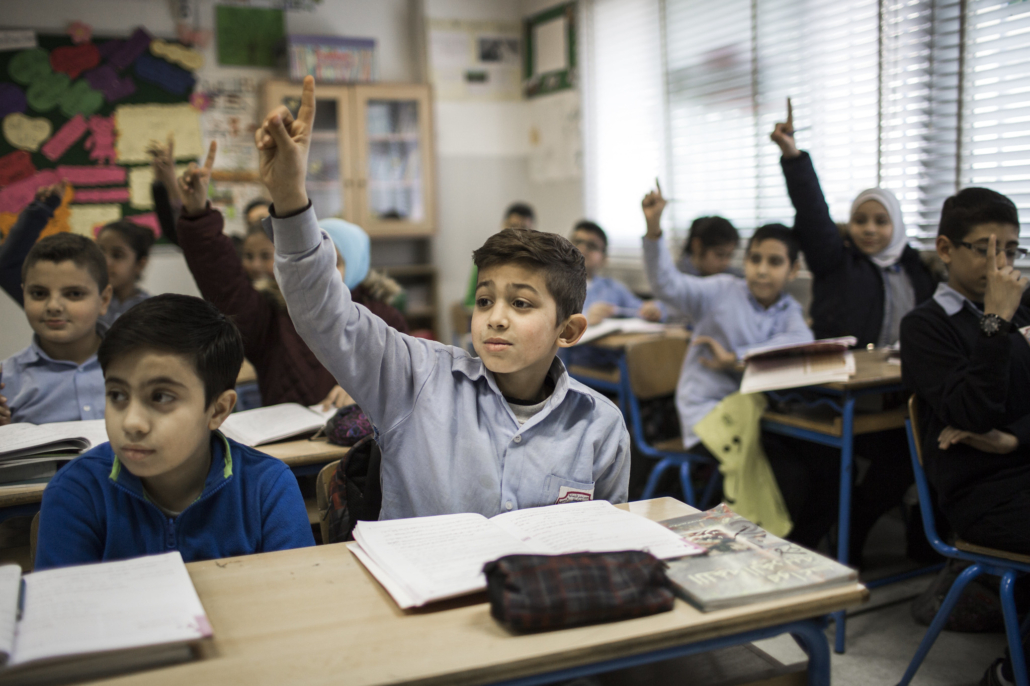
Kuwait is known as one of the world’s richest countries, though more than half of children over the age of 10 are not reading proficiently. This phenomenon called learning poverty is unfairly affecting the children of Kuwait, highlighting the gaps in education equity and quality. In particular, learning poverty is affecting Bidoon children, a marginalized group in Kuwait. Here is more information about learning poverty among the Bidoon in Kuwait.
Elements of Child Poverty in Kuwait
Child poverty and overall poverty levels in Kuwait are reportedly just above 0%, according to the Nations Encyclopedia. Though experiencing levels of economic abundance, that has proved inefficient when addressing education poverty. Learning poverty runs through Kuwait’s youth, especially hurting marginalized groups like the Bidoon.
The Bidoon (short for “bidoon jinsiya”) in Kuwait are descendants of undocumented individuals who did not gain Iraqi citizenship at the state’s founding. Despite living in a wealthy region like Kuwait, they face high poverty rates and limited accessibility to resources as stateless individuals.
Kuwait ranks above average among the Middle East and North Africa (MNA) countries when measuring child learning poverty. The World Bank April 2024 Kuwait Learning Poverty Brief shows that 51% of late primary age children in Kuwait are not proficient in reading. Kuwait measures 2% less than the MNA average of children in learning poverty.
Although this is statistically above average, stable education is what children in Kuwait need to improve overall health and prosperity. Ensuring children are in school relates directly to social challenges facing Kuwait families such as early marriage, mental health and child nutrition, according to the World Bank’s “From Learning Recovery to Education Transformation” executive summary.
What is Learning Poverty?
Learning poverty is the inability to read and understand proficiently by the age of 10. The World Bank measures learning poverty through assessments and enrollment data, concluding that 53% of the MNA faces learning poverty.
Factors that also contribute to learning poverty are learning deprivation and school deprivation. Learning deprivation is the share of students reading below the minimum proficiency level, which exposes the inequality and disadvantage that the poor in Kuwait face. School deprivation represents children who are not enrolled in any schooling.
Learning and school deprivation pose a threat to achieving the Sustainable Development Goals (SDGs) which the United Nations set in place in 2015 to unite the globe in successfully attaining prosperity for all by 2030. The fourth goal is for inclusive and quality education for all.
In Kuwait’s case, learning deprivation for April 2024 was measured at 49% and school deprivation was 3%. In order to ensure education is a priority, each child needs the opportunity.
How are Bidoon Children Facing Disadvantages?
An article by Aisha Elgayar for Arij emphasized the difficult lifestyle of the Bidoon children, described as “living in the shadows” of a lavish country surrounding them. Inherited restrictions put on them keep them from receiving basic rights like education, general employment and birth/marriage certificates.
Along with restricted access to economic freedom and political rights, the Bidoon also face health concerns due to limited supply of fresh water and electricity. The lack of data regarding the Bidoon community also reflects in the lack of aid they receive.
One can see child poverty in Kuwait through the Bidoon population, which was between 83,000 and 120,000 as of August 2024. The continued negligence to these undocumented children indicate ill-equipped schools and unequal circumstances.
Solutions
UNICEF, UNESCO and the World Bank created the RAPID strategy in response to COVID-19 to solve learning issues at the source for each child. This framework represents mending the five parts of education reconstruction; Reach, Access, Prioritize, Increase and Develop. Before COVID-19, findings showed that learning at an accelerated rate was possible in the Middle East. The steps from this program ensure that each student is practicing foundational skills.
RAPID prioritizes reaching every child, assessing learning levels regularly, focusing on teaching the fundamentals, increasing efficiency of instruction and developing psychosocial health.
In regards to marginalized and stateless groups such as the Bidoon population, the RAPID strategy works to transform the way these children learn and breaks down barriers that hold them back from accessing education. The World Bank and UNICEF support a “reach-all” initiative, entailing multiple modes of learning and flexible learning programs. UNICEF’s RAPID’s 2024 findings show that the RAPID framework has been established in Kuwait.
After Kuwait shut the Bidoon out of public education in 1992, efforts have been made to advance their right to education. For example, in 2014, the Katateeb Al-Bidoon Initiative, which Yusuf al-Bishiq led, created an after-school program for Bidoon children for one short semester, but its lifespan provides insight into how a transformative future is possible. Katabeeb al-Bidoon embraces a practical system that could be successful if implemented in the future.
Looking Ahead
While statistically, Kuwait is one of the leading countries in the Middle East in wealth and income, learning poverty highly impacts Bidoon children. Hopefully, UNICEF’s RAPID strategy will eliminate learning poverty among the Bidoon in Kuwait moving forward.
– Rachael Wexler
Rachael is based in Chicago, IL, USA and focuses on Good News and Global Health for The Borgen Project.
Photo: Flickr
