Baby Formula Procurement in Haiti
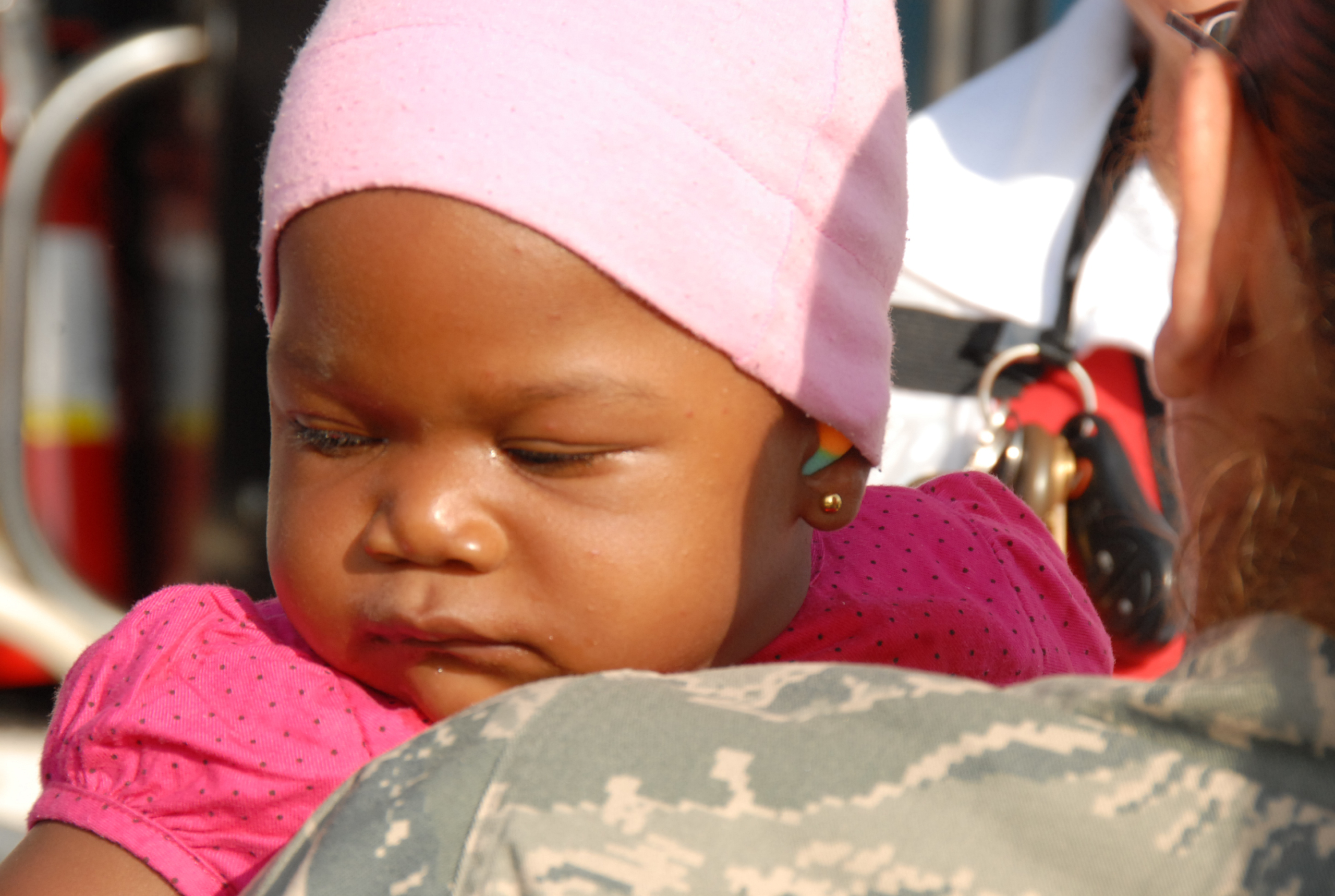 It is well-documented that breastfeeding is one of the safest ways to feed a newborn infant. There are wide-ranging benefits to naturally breastfeeding children, the mother and the infant. The act of breastfeeding is connected to protecting a child against life-threatening diseases. It supports healthy brain development and prevents many chronic maternal and childhood illnesses. This in turn can avoid costs of healthcare down the road.
Breastfeeding can be the difference between life and death for newborn infants in developing countries that suffer from widespread malnutrition. So, when a mother cannot produce milk naturally, it can increase the likelihood of child malnutrition and mortality.
Challenges Obtaining BMS
In countries like Haiti, obtaining essential food can be challenging, let alone breast milk substitutes (BMS). Hence, it is crucial for governments and organizations, such as the United Nations Children’s Fund (UNICEF), to ensure the proper allocation of funds for incentives that promote the heightened procurement of essential BMS.
Recently, UNICEF has taken a significant step forward by updating its guidance on the “Procurement and Use of Breast Milk Substitutes in Humanitarian Settings.” This revision has prompted policy changes. It includes a strategic emphasis on supporting infants below 6 in areas with high humanitarian needs.
Haiti
Haiti is a case study that UNICEF has highlighted directly in a recent report on the issues surrounding the importance of baby formula procurement. In 2021, Haiti was struck by a magnitude 7.2 earthquake, resulting in the deaths of 2,200 people and an estimated 650,000 citizens in need of humanitarian assistance.
In relation to a report conducted by the “Haiti Demographic Health Survey'” (DHS) in 2016-17, only 40% of infants aged below 6 months were exclusively breastfed. For comparison, 25% were bottle-fed. Among all children between 6-23 months of age, only 25% received a diet that met the minimum dietary diversity, which means a diet containing all four food groups. Moreover, just 11% of these children received a minimum acceptable diet. It’s important to note that this data was retrieved before the disaster.
After the disaster, many children who were not breastfed were considered at a very high risk. This was mainly due to the damaged water systems. The deaths of many parents left their children particularly vulnerable. In addition, the death of a breastfeeding mother puts significant strain on the nutritional well-being of her child. As a result, there is now greater concern about the increased malnutrition and death rates among these infant demographics.
UNICEF’s Response in Haiti
UNICEF achieved an early response immediately after the earthquake. This was achieved with high levels of cooperation from the Haitian government, detailing a precise nutrition plan a week after the disaster. The organization’s BMS procurement was swift and, due to internal quality checks, allowed for the distribution of high-quality BMS and RUIF (Ready to Use Infant Formula). Extensive training was also provided to health care workers to ensure that mothers, caregivers and infants had the proper support.
However, despite these achievements, some key challenges that UNICEF recognizes need to be addressed. Despite a swift response, some BMS distribution delay was encountered due to shipping constraints. A notable security situation in Port-au-Prince delayed the training of healthcare workers at the national level. UNICEF outlines in its report many of these challenges so that they can be analyzed and solutions implemented. The report not only chronicles the life-saving interventions that UNICEF makes in countries like Haiti, which desperately need humanitarian aid but also highlights the importance of baby formula procurement in Haiti and across the developing world.
– Domenico Palermo
Photo: Wikipedia Commons
