Auxílio Emergencial: Brazil’s Solution To Poverty
 For a long time, many citizens of Brazil have been born into and lived in poverty for most, if not all, of their lives. Poverty rates remain high across the country, ranging from 47% in Pernambuco and Paraíba to 51% in Acre and Maranhão.
Other recent statistics highlight ongoing challenges for the country. In 2022, 8% of people lived below the poverty line. Of those workers, two out of every five were not officially employed by the places where they worked. This leaves families vulnerable, as they do not receive employee benefits and protections such as retirement savings, paid time off or family leave that formal jobs offer. There is also a lack of food supplies in the average household. As of 2023, nearly 60% of households led by women suffer from food insecurity and similar cases are prevalent across the country.
Bolsa Família and Social Support
With so many people suffering from poor living conditions and below the poverty line, intervention from those in positions of power appears to be necessary. Ongoing incentives are already in place to support the people of Brazil. In 2003, the Bolsa Família program took off, providing aid to families living in poverty and quickly became popular. By 2023, 19% of all registered homes in Brazil were on the Bolsa Família program.
Emergency Aid During COVID-19
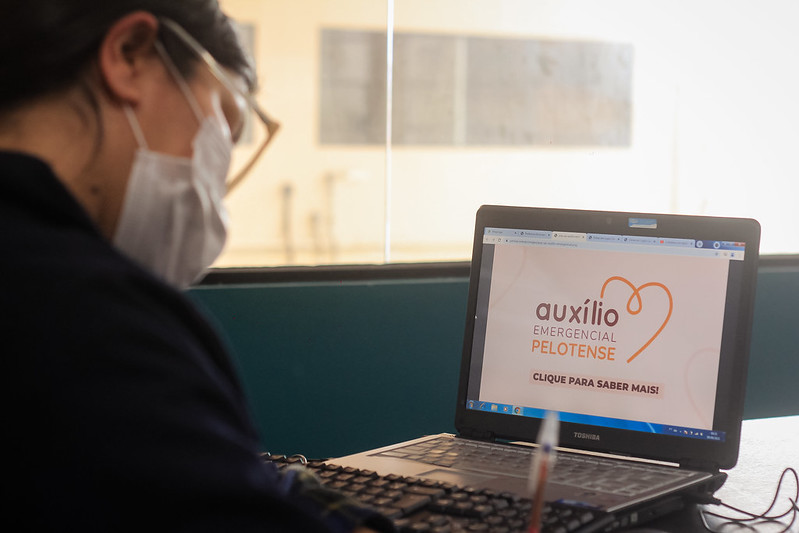
Every country felt the impact of COVID-19, and Brazil was no exception, as those living in poverty had little defense against deadly diseases. In March 2020, the government launched the Auxílio Emergencial program to address the sharp decline in jobs and the loss of income that followed. The program was available only to people in poverty who were unemployed, informal workers or self-employed while living at or under 50% of the national minimum wage. Because much of the population’s data was already stored by the government, officials were able to swiftly and effectively distribute resources to those who needed them most. The program continues to support the Brazilian people.
Looking Ahead
The Auxílio Emergencial program was highly effective. After its launch, poverty in Brazil dropped by 23.7% from pre-pandemic levels, lifting 15 million people out of poverty. The efforts to address poverty do not stop there; the Brazilian government is continuing to create new social programs and update both the Bolsa Família and Auxílio Emergencial initiatives to ensure that even more people can rise out of poverty.
– John Menechino
John is based in Marietta, GA, USA and focuses on Technology and Politics for The Borgen Project.
Photo: Flickr
