Leading the Stride: How Argentina is Tackling Child Poverty
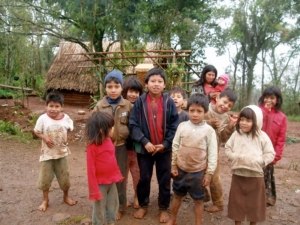 In just six months, Argentina has delivered hope, reducing its child poverty rate by nearly 15%. Argentina is tackling child poverty by lifting more than 1.7 million children out of harsh living conditions. This turnaround is not just a national victory but a blueprint for other nations that seek to build a better future for their youngest citizens.
Economic Reforms With Social Impact
Through bold reforms, Argentina is tackling child poverty by fixing its economy. In 2024, studies showed that 52.7% of children lived in households with incomes too low to cover basic needs. The government has made smart changes to control spending, money printing and prices. These steps help families afford more, have a more stable life and a more predictable environment.
In the second half of 2024, there was a 21% increase in real household income. This allowed families to afford necessities like food, clothing and education. The income boost directly contributed to the drop in child poverty, proving that economic growth can translate to social impact with the help of government-involved policies.
It also signaled a shift in how Argentina’s leadership viewed poverty—not just as an economic issue, but as a human one. By stabilizing the economy, the government created a foundation for social programs to thrive, making delivering aid and services to needy families easier.
Policies That Matter
Economic growth alone wasn’t enough; Argentina implemented social protection policies too. These policies were focused on children and included direct cash transfers, national support and expanded access to education and health care services. Direct cash transfers were given to families to help cover basic needs like food, clothing and school supplies.
These transfers were impactful to low-income households, helping to reduce their vulnerability. Expanded access to health care services ensured children received medical attention and healthy meals. The government also improved schools by increasing enrollment rates and bridging the gap between children from different socioeconomic backgrounds.
According to UNICEF, social protection policies were essential in translating macroeconomic gains into real-life improvements for children. These initiatives were designed not only to alleviate immediate hardship but also to create long-term opportunities. Argentina is tackling child poverty by ensuring families don’t just earn more but live better.
The focus on dignity, access and opportunity has made these policies more than just temporary relief—they are building blocks for a stronger future. New classrooms were built in many regions, teachers were hired and learning materials were distributed to underserved communities. Health care outreach programs also expanded into rural areas, ensuring children in remote locations were not left behind.
The Blueprint
Argentina’s approach offers valuable lessons for other nations grappling with child poverty. It demonstrates that economic reform can create meaningful change when paired with targeted social policies. The country’s success underscores the importance of investing in children—not just as a moral imperative, but as a strategic move to build a more resilient and equitable society.
Looking Ahead
As Argentina continues its journey, it will be challenging to continue moving forward with global economic pressure on it. Long-term success will depend on the continuous investment in education, job creation and growth. Monitoring and adapting policies to meet evolving needs will be key.
If Argentina can sustain its progress, it will become a model for how other countries and economies can tackle poverty through discipline and engagement. For now, the country stands as a powerful example of what’s possible when children’s well-being is at the center of national policy.
– Marissa Schoth
Marissa is based in Benton, LA, USA and focuses on Good News and Global Health for The Borgen Project.
Photo: Flickr
