Female Genital Mutilation and Immigration Reform
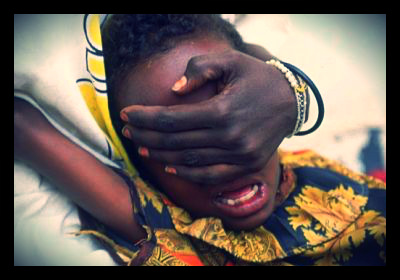
Immigration in the United States has been an issue throughout this millennium. Reform for the immigration system has been discussed in various forms, yet presently there still seems to be no progress on the issue. This deadlock affects immigrants of all forms, but particularly for many potential immigrants in the West African region.
A recent PBS Newshour report detailed the plight of a family living in Baltimore struggling to deal with the intricacies of the immigration system. This family left their home in Mali after worries that their daughter would be subjected to the female genital mutilation (FGM) that is a common practice in that part of the world. The mother, who still suffers pain from her mutilation, says that at any time someone “can just come and take your daughter, and just do it.”
FGM is a practice that has deep roots in the West African region. The practice has been mentioned as far back as the Ancient Greek historians, like Herodotus. Community members consider it shameful for women to not undergo the process, leading to the sort of animosity that lead the Newshour profiled family to leave for the U.S.
Health issues and the difficulties in adjusting to a new country lead the family to miss the initial application for asylum that is required after one year of residency. Since they missed that initial application, the members of the family have no path to citizenship under the current system and are left to appeal annually for residency. There is still a definite risk that their requests could be denied by the courts, leading to their final deportation.
This difficulty in applying for asylum will remain until the immigration issue is finally settled in Congress. The Fofana family profiled by PBS Newshour is not alone in its struggles. Reports from the BBC describe Gambian women seeking asylum for the same reasons in the United Kingdom with hundreds being rejected for using the peril of mutilation as a basis.
The World Health Organization states that over 125 million females are living today after undergoing genital mutilation. Like the matriarch of the Fofana family, many times the procedure is involuntary and will cause the females lasting pain down the road. One can only imagine if this was a practice that was prevalent in the Western world and the outcry that would come about because of it.
Studies on the practice of genital mutilation show the benefits of educational programs in the areas that still carry it out. The Tostan program in Senegal shows how the end of the practice will provide health benefits for women and will bring about better overall respect for women in the community. However, programs like that one are few and have to be much more prevalent to have a serious impact in Western Africa.
For nations in the Western world, spreading education about the female body could bring benefits in Africa and the West. A successful program could lessen the immigration demands on the West and give women a better chance at being leaders in the communities of Africa. For the women that live in fear and pain due to this practice, funding by the nations of the Western world might go a long way towards improving the world as a whole.
– Eric Gustafsson
Sources: Stanford University, BBC, World Health Organization, PBS
Photo: MintPress News
