• Link to X
  • Link to Facebook
  • Link to Instagram
  • Link to TikTok
  • Link to Youtube
  • About
    • About Us
      • President
      • Board of Directors
      • Board of Advisors
      • Financials
      • Our Methodology
      • Success Tracker
      • Contact
  • Act Now
    • 30 Ways to Help
      • Email Congress
      • Call Congress
      • Volunteer
      • Courses & Certificates
      • Be a Donor
    • Internships
      • In-Office Internships
      • Remote Internships
    • Legislation
      • Politics 101
  • The Blog
  • The Podcast
  • Magazine
  • Donate
  • Click to open the search input field Click to open the search input field Search
  • Menu Menu
Blog - Latest News
Food & Hunger, Global Poverty, Health

Are Developing Countries Now Overweight?
Developing_Countries_Overweight
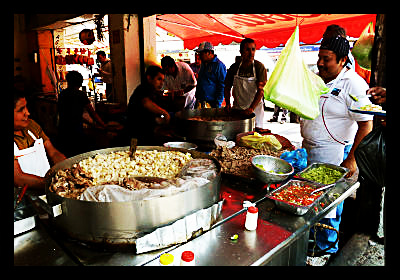
Statistics indicate that individuals who are obese or overweight in developing countries have tripled over the last 30 years. It seems that as countries begin to shift from low income towards middle income and onwards, people are able to purchase more food, most of which is unhealthy.

High-calories foods, usually quite tasty, are now easily accessible in practically every country but now those with more money are purchasing larger quantities.

In the 1980s, less than 23% of adults in the third world were overweight; currently, the amount of obese people in the developing world rival those of rich nations. Mexico is a prime example of this global problem. In 1980, under 40% of Mexican women were overweight but in 2008 it increased to 70% and there is speculation of a greater increase in recent years.

An official from the Overseas Development Institute in London, Steve Wiggins, reports that large varieties of high-calorie snacks such as chips, cookies and carbonated drinks are readily available in various Mexican stores, making it the “poster child” for the obesity problem.

Over 90% of men in some Pacific Island nations are also facing the overweight issue. Countries in the Middle East, such as Egypt, have a growing number of overweight women.

Health systems in developing nations already have significant issues with infectious diseases and now this burden of excessive consumption of high-calorie foods poses a risk for developing other diseases. Cardiovascular diseases, diabetes and various cancers can all be caused by large intake of fat, sugar and salt.

This global trend could potentially lead to increased health care expenses and decreased economic growth from a loss of productivity.

Despite these risky factors, reports suggest that a quick turn around is possible if new health campaigns for better diets are adopted. In the mean time, developing nations are not too interested in advocating for a fruit and vegetable substitute since several families are finally getting sufficient income for more food.

– Maybelline Martez

Sources: Centers for Disease Control and Prevention, NPR
Photo: Club House News

January 31, 2014
Share this entry
  • Share on Facebook
  • Share on X
  • Share on WhatsApp
  • Share on Pinterest
  • Share on LinkedIn
  • Share on Tumblr
  • Share on Vk
  • Share on Reddit
  • Share by Mail
https://borgenproject.org/wp-content/uploads/borgen-project-logo.svg 0 0 Borgen Project https://borgenproject.org/wp-content/uploads/borgen-project-logo.svg Borgen Project2014-01-31 04:00:092024-05-26 23:08:12Are Developing Countries Now Overweight?

Get Smarter

  • Global Poverty 101
  • Global Poverty… The Good News
  • Global Poverty & U.S. Jobs
  • Global Poverty and National Security
  • Innovative Solutions to Poverty
  • Global Poverty & Aid FAQ’s
Search Search

Take Action

  • Call Congress
  • Email Congress
  • Donate
  • 30 Ways to Help
  • Volunteer Ops
  • Internships
  • Courses & Certificates
  • The Podcast
Borgen Project

“The Borgen Project is an incredible nonprofit organization that is addressing poverty and hunger and working towards ending them.”

-The Huffington Post

Inside The Borgen Project

  • Contact
  • About
  • Financials
  • President
  • Board of Directors
  • Board of Advisors

International Links

  • UK Email Parliament
  • UK Donate
  • Canada Email Parliament

Get Smarter

  • Global Poverty 101
  • Global Poverty… The Good News
  • Global Poverty & U.S. Jobs
  • Global Poverty and National Security
  • Innovative Solutions to Poverty
  • Global Poverty & Aid FAQ’s

Ways to Help

  • Call Congress
  • Email Congress
  • Donate
  • 30 Ways to Help
  • Volunteer Ops
  • Internships
  • Courses & Certificates
  • The Podcast
Link to: Social Media Affects 21st Century Political Instability Link to: Social Media Affects 21st Century Political Instability Social Media Affects 21st Century Political Instability Link to: 2014 Sundance Film Festival and Global Poverty Link to: 2014 Sundance Film Festival and Global Poverty 2014 Sundance Film Festival and Global Poverty
Scroll to top Scroll to top Scroll to top