• Link to X
  • Link to Facebook
  • Link to Instagram
  • Link to TikTok
  • Link to Youtube
  • About
    • About Us
      • President
      • Board of Directors
      • Board of Advisors
      • Financials
      • Our Methodology
      • Success Tracker
      • Contact
  • Act Now
    • 30 Ways to Help
      • Email Congress
      • Call Congress
      • Volunteer
      • Courses & Certificates
      • Be a Donor
    • Internships
      • In-Office Internships
      • Remote Internships
    • Legislation
      • Politics 101
  • The Blog
  • The Podcast
  • Magazine
  • Donate
  • Click to open the search input field Click to open the search input field Search
  • Menu Menu
Blog - Latest News
Global Poverty

Poverty in Kampala, Uganda
kampala_uganda_poverty
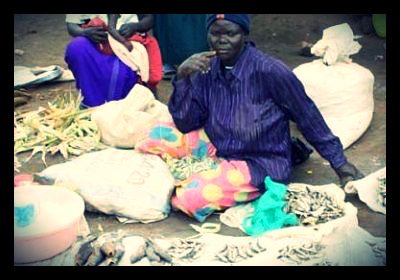
Uganda has been struggling for decades with issues of poverty and Kampala, its capital city, is no exception. The migration of residents from rural to urban areas has led to growing pockets of poverty in the capital since insufficient housing sends many to live on the streets. The poor of Kampala live in slums and nearly all citizens are unemployed. Most attain money by begging in the streets. With a population of 1,189,142 people in the city, access to clean and safe water is limited to 65 percent. The remaining 35 percent risk contamination and disease by getting water from highly contaminated sources.

Most of Uganda’s poor are the thousands of subsistence farmers who live in remote rural areas of the country. Lack of access to markets and technology has led several to abandon their villages and migrate to the city. Cities suck as Kampala present hope for those smallholder farmers who were unable to sustain their families. Kampala has been the destination for thousands and because of this, the city has been unable to provide for the masses of new residents. Inadequate sanitation in Kampala has increased incidences of waterborne diseases such as worm infestations and malaria. These issues drastically affect the economy of the residents throughout Kampala and increase the rate of poverty.

Research has shown that through implementation of a nationwide program that can help stabilize the situation of the poor, Uganda may be able to lower its poverty rates in the years to come. Uganda’s poverty level in 1992 was 56 percent and the goal to reduce it by half to 28 percent has already been achieved, since its current poverty level is 24.5 percent. Although the pace of poverty elimination in Kampala is slow, several programs such as the National Urban Policy (NUP) and the National Agricultural Advisory Services (NAADS) are being implemented to address the needs of thousands of rural and urban residents who are unable to produce a living.

– Maybelline Martez

Sources: Monitor, Observer

January 8, 2014
Share this entry
  • Share on Facebook
  • Share on X
  • Share on WhatsApp
  • Share on Pinterest
  • Share on LinkedIn
  • Share on Tumblr
  • Share on Vk
  • Share on Reddit
  • Share by Mail
https://borgenproject.org/wp-content/uploads/borgen-project-logo.svg 0 0 Borgen Project https://borgenproject.org/wp-content/uploads/borgen-project-logo.svg Borgen Project2014-01-08 04:00:582024-12-13 17:49:49Poverty in Kampala, Uganda

Get Smarter

  • Global Poverty 101
  • Global Poverty… The Good News
  • Global Poverty & U.S. Jobs
  • Global Poverty and National Security
  • Innovative Solutions to Poverty
  • Global Poverty & Aid FAQ’s
Search Search

Take Action

  • Call Congress
  • Email Congress
  • Donate
  • 30 Ways to Help
  • Volunteer Ops
  • Internships
  • Courses & Certificates
  • The Podcast
Borgen Project

“The Borgen Project is an incredible nonprofit organization that is addressing poverty and hunger and working towards ending them.”

-The Huffington Post

Inside The Borgen Project

  • Contact
  • About
  • Financials
  • President
  • Board of Directors
  • Board of Advisors

International Links

  • UK Email Parliament
  • UK Donate
  • Canada Email Parliament

Get Smarter

  • Global Poverty 101
  • Global Poverty… The Good News
  • Global Poverty & U.S. Jobs
  • Global Poverty and National Security
  • Innovative Solutions to Poverty
  • Global Poverty & Aid FAQ’s

Ways to Help

  • Call Congress
  • Email Congress
  • Donate
  • 30 Ways to Help
  • Volunteer Ops
  • Internships
  • Courses & Certificates
  • The Podcast
Link to: UN Economic and Social Council Link to: UN Economic and Social Council UN Economic and Social Council Link to: Vaccine Logistics: Typhoon Haiyan Link to: Vaccine Logistics: Typhoon Haiyan Vaccine Logistics: Typhoon Haiyan
Scroll to top Scroll to top Scroll to top