How Digital Finance in Ethiopia Can Expand Women’s Opportunities
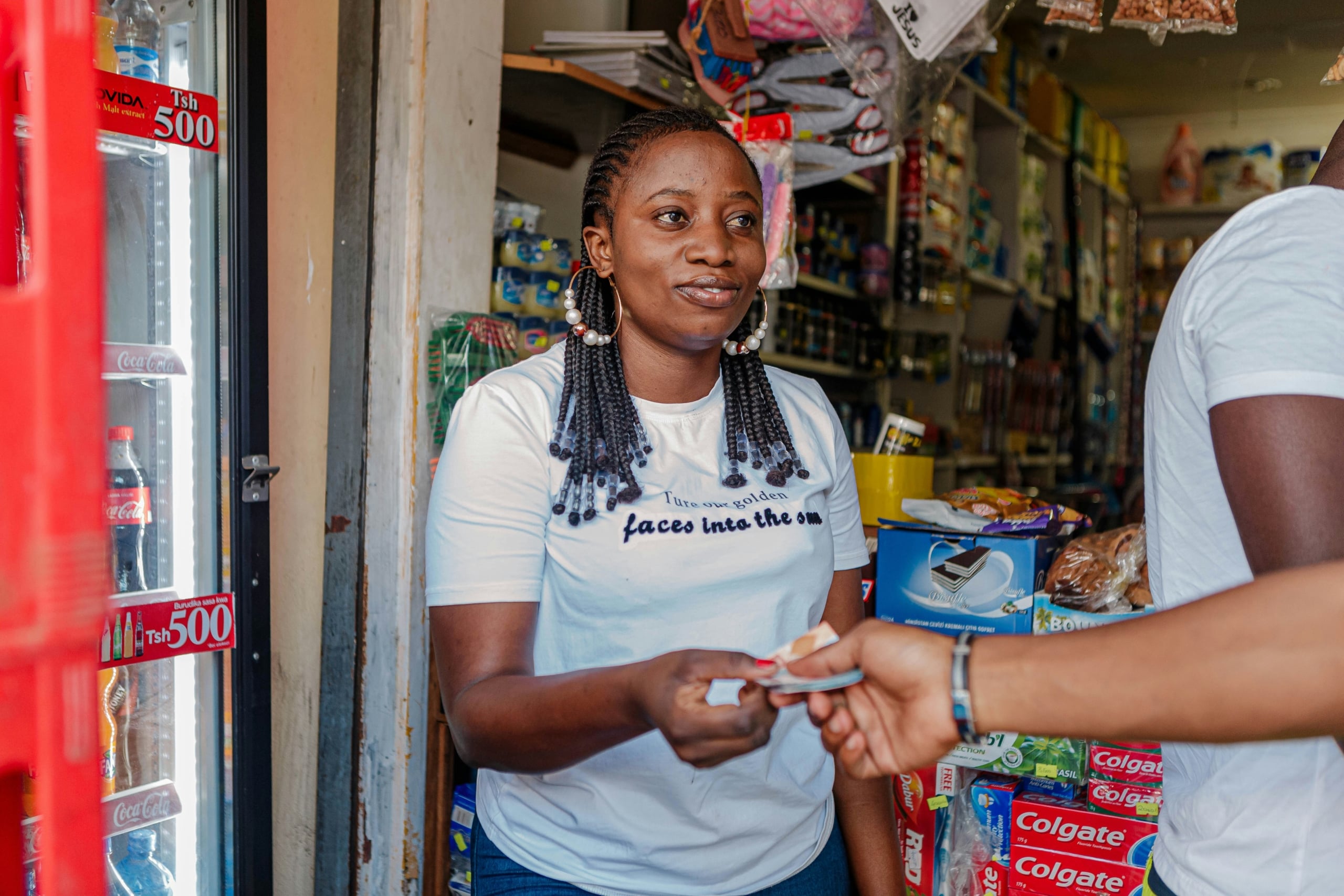
Digital finance in Ethiopia is creating new ways for people to access financial services, but women remain less likely than men to hold an account. Expanding access to mobile payments and improving financial literacy could help more women participate in the country’s digital economy. However, access to technology alone cannot overcome financial barriers such as the cost of mobile phones, limited documentation and difficulties using digital services independently.
A Persistent Financial Gap
According to the World Bank’s 2024 Global Findex data, 41.6% of women in Ethiopia aged 15 and older had an account at a financial institution or mobile money provider, compared with 56.5% of men in the same age group. The 14.9-percentage-point gap highlights unequal access to formal financial services.
Financial accounts can help people receive payments, save money and manage everyday expenses. For women running small businesses or earning irregular incomes, digital payments may also make transactions more convenient. However, having an account does not necessarily mean someone uses it regularly or can access credit.
The Barriers Beyond Account Ownership
Access to a mobile phone remains a significant obstacle. A 2023 World Bank analysis drawing on Global Findex data found that 51% of unbanked respondents in Ethiopia cited not owning a mobile phone as a reason for lacking a mobile money account. The analysis also found that 46% of women owned a phone, compared with 57% of men. Other reported barriers included the cost of financial services, distance from mobile money agents and the documentation required to open an account.
These barriers can be particularly difficult for people with limited incomes. Even when digital services are available, people may lack the devices, connectivity or confidence needed to use them. Financial education can help address knowledge gaps, but it cannot replace affordable technology and accessible services.
Mobile Money Creates Opportunities, but Usage Matters
Ethiopia’s digital financial services sector has expanded rapidly. A 2025 report by Shega on mobile-based financial services recorded 39.6 million mobile banking accounts and 107.5 million mobile money accounts by 2024. However, the report highlighted concerns about dormant accounts, overlapping account ownership and persistent gender and rural disparities.
These figures refer to accounts, not necessarily individual people or active users. The distinction matters because growth in account numbers does not automatically demonstrate that more women are regularly using digital financial services or benefiting economically from them.
Financial Literacy Turns Access into Opportunity
A recent initiative in Ethiopia illustrates how practical training can help address some of these challenges. In April 2026, the United Nations Capital Development Fund reported on a three-day nationwide digital financial literacy campaign led by Ethiopia’s Ministry of Innovation and Technology and supported by UNCDF. The campaign reached 525 participants from 26 public institutions.
One participant, Sara Wolelaw, a diplomat at Ethiopia’s Ministry of Foreign Affairs, explained that she initially assumed the training was intended for entrepreneurs or technology professionals rather than public servants. After participating, she became more confident using digital payments and mobile money and began encouraging other women in her ministry to use these services.
The campaign covered practical financial services, including digital payments, savings and credit, while addressing security concerns and fraud prevention. By connecting training with services available in the market, the initiative aimed to help participants move beyond awareness toward practical use.
Making Digital Finance in Ethiopia More Inclusive
The campaign offers one example of how digital infrastructure can be complemented by practical education. However, its reach of 525 participants does not by itself demonstrate an increase in women’s earnings or a reduction in poverty. Further evidence would be needed to establish those longer-term outcomes.
For digital finance in Ethiopia to contribute to more inclusive economic opportunities, financial education must be accompanied by affordable devices, reliable access to services and products that meet women’s needs. The challenge is not simply to expand access to accounts, but to ensure women can use financial services safely, independently and meaningfully.
– Amenah Patel
Amenah is based in Blackburn, Lancashire, UK, and focuses on Technology and Solutions for The Borgen Project.
Photo: Unsplash
