A Step in the Right Direction: Indonesia’s Falling Poverty Rates
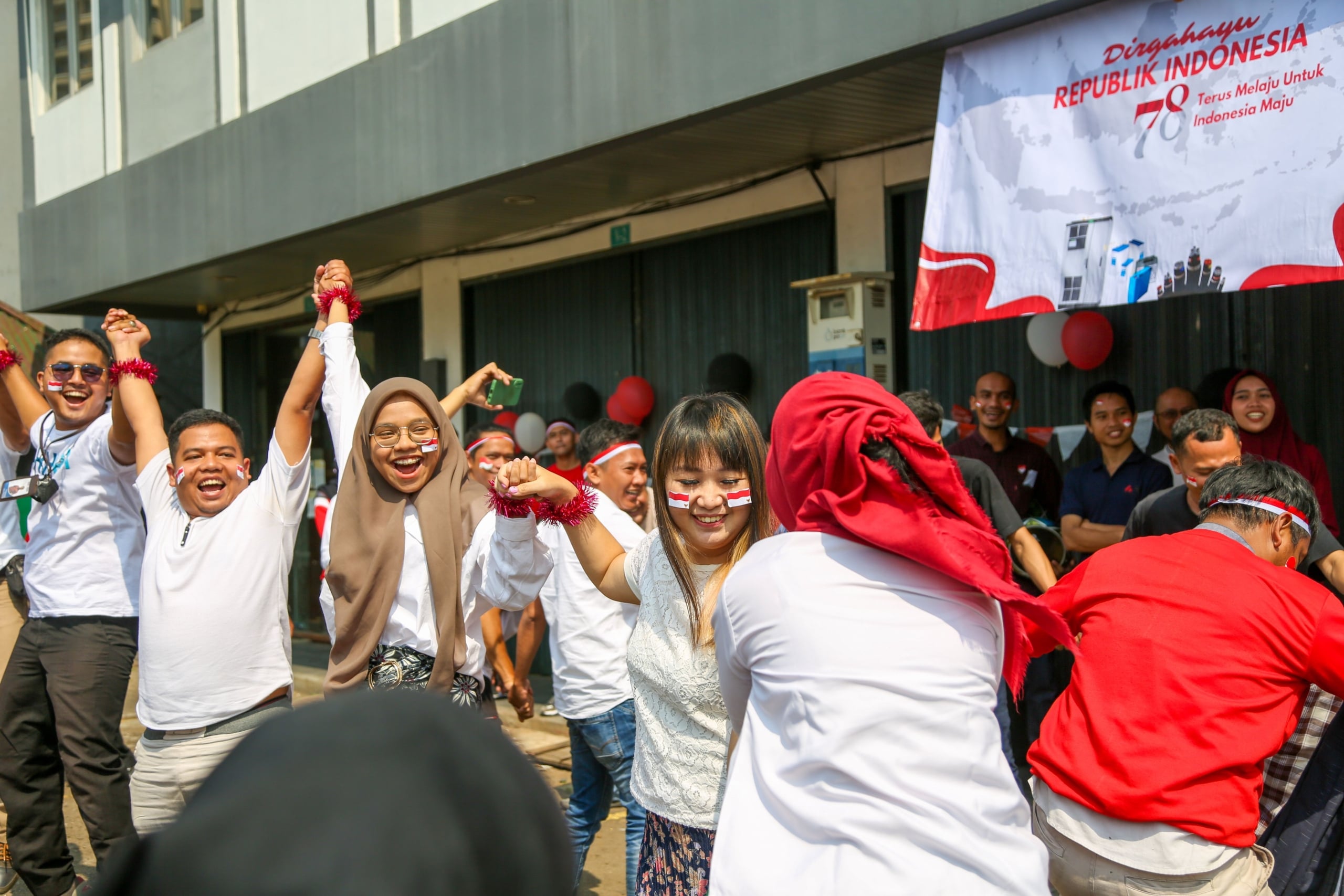
Indonesia’s falling poverty rates reached a national low of 8.07% in March 2026. The historically low rate suggests that the country is progressing toward economic stability.
Economic Progress
In 1984, 86% of Indonesia’s population lived on less than $3 a day, measured in 2021 purchasing-power terms. In 2025, Our World in Data recorded that this number had dramatically decreased to less than 4%.
The Indonesian government has set an ambitious goal of eradicating extreme poverty by the end of 2026. This is a government target rather than an achieved result. Here is information about programs supporting households.
Welfare Gains
In October 2026, the World Bank Group reported that Indonesia’s welfare gains have disproportionately benefited the bottom 40% of the Indonesian population since 2022. The bottom 40% have experienced a higher average real consumption growth than any other income group.
This could help to reduce the country’s economic inequality.
Program Keluarga Harapan
In 2007, the Indonesian government established a cash transfer program called Program Keluarga Harapan, or the Family Hope Program.
The initiative provides low-income households with financial relief for up to five years, with exceptions for older people and people with disabilities. To determine eligibility, the government uses the National Single Social and Economic Data. It also has criteria that include pregnant women, children up to age 7 who have never been in education, older people and people with a disability.
World Bank Group support helped increase the number of beneficiary families from 5.9 million in 2016 to 10 million in December 2018.
By October 2025, 77,000 families graduated from the program. The government provides those families with the opportunity to participate in empowerment programs through the Coordinating Ministry for Community Empowerment.
The empowerment programs aim to develop the families into economically empowered and independent households.
The ACCESS Project
From 2020 to 2025, the United Nations Development Programme and the Korea International Cooperation Agency implemented the ACCESS project across 22 villages in four Indonesian provinces and 25 villages in Timor-Leste. The project funded the construction of renewable energy infrastructure, providing reliable and clean electricity to 3,449 households across Indonesia and Timor-Leste. It also supported 32 micro, small and medium-sized enterprises, which reportedly experienced an increase in profits. Furthermore, the project inspired several village-owned enterprises, enabling residents to use their access to their own electricity to generate economic opportunities, such as small-scale trading and livestock farming.
According to UNDP, the businesses reported monthly revenues ranging from 1.5 million to 11.6 million rupiah (about $83 to $639 at the Oct. 29, 2026, exchange rate).
Indonesia’s Falling Poverty Rates and Continuing Risks
People in low socioeconomic groups, including the poor, the vulnerable poor and the “aspiring middle class,” remain at risk of economic instability and falling into poverty.
There is also a high risk of poverty for those with a disability. In July 2025, Plan Indonesia reported that 11.4% of people with disabilities were living below the poverty line. One reason this number is higher than the national poverty rate is the inaccessibility of some environments to people with a disability.
To address this, the Asian Development Bank has helped develop more inclusive environments.
The organization’s Sustainable Infrastructure Assistance Program Phase II has focused on creating inclusive facilities at Pantoloan, Donggala and Wani ports, and Mutiara Sis Al Jufri Airport. In 2024, the Mutiara Sis Al Jufri airport’s new facilities became fully operational.
The program also includes workshops directed at raising awareness and encouraging collaboration among government and ADB participants about the importance of accessibility and the significance of involving those living with a disability in infrastructure projects.
Climate Change and Natural Disaster Risks
Natural disasters and climate change can create unpredictable conditions for Indonesia’s agriculture and could impact staple crops, such as rice.
Moreover, a 2025 World Bank Group report found that agriculture was the biggest employer of low-skilled workers and the second largest employer of middle-skilled workers.
This could mean that disruptions to the sector could potentially have detrimental consequences for employment and food security.
Prosper Global supports Indonesia by addressing the consequences of natural disasters. The organization provides emergency assistance and relief during natural disasters, implements early warning systems to better equip communities, and offers financial and digital literacy training to small business owners.
A Positive Outlook
Despite the risks facing the economy, Indonesia’s falling poverty rates are a sign of progress and could mean that the country is moving toward a more economically stable future.
– Jasmine Chaudhry
Jasmine is based in Burnley and focuses on Good News, Technology and Solutions, and Politics for The Borgen Project.
Photo: Pexels
