Digital Farming Technology in Kenya Helps Farmers
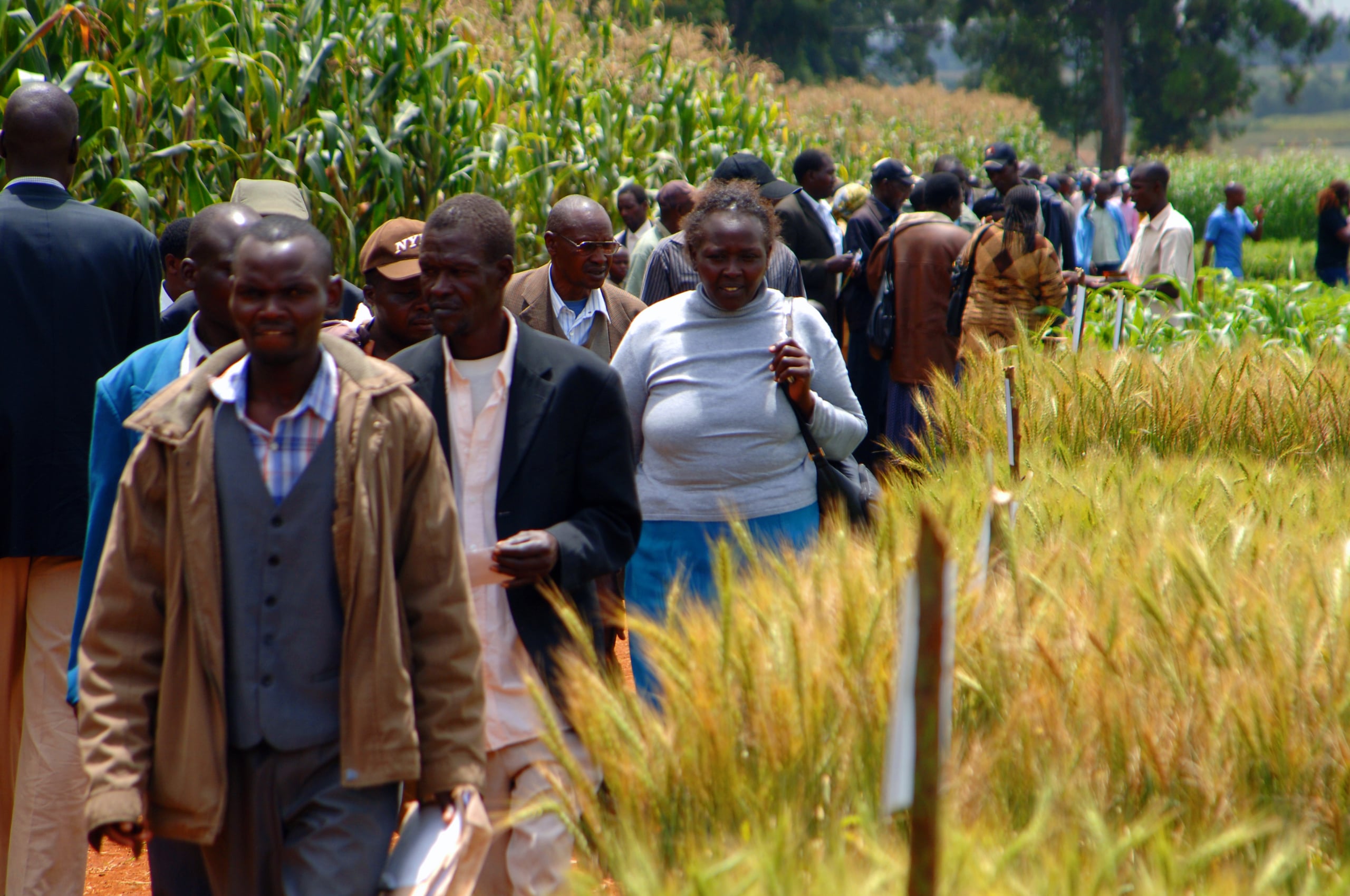
For many farmers in Kenya, growing enough food and earning a reliable income can be difficult. Limited access to farming supplies, unpredictable weather and a lack of information make agriculture challenging. Digital farming technology in Kenya is helping farmers address some of these problems through mobile phones, digital registration systems and agricultural information platforms.
The Challenges Facing Farmers
Agriculture provides an important source of food and income for families throughout Kenya. However, smallholder farmers often struggle to access affordable supplies and reliable information, which in turn makes it hard to access the markets where they can sell their crops.
According to the World Bank, Kenya’s maize yields, measured by output per hectare, have not moved much for decades. Farmers often lack access to modern agricultural technology that could help improve their productivity.
Digital tools offer one way to address these challenges. Farmers can use mobile phones to receive agricultural advice, learn about weather conditions and connect with potential buyers.
Connecting Farmers Through Technology
One example of digital farming technology in Kenya is the Kenya Integrated Agriculture Management Information System (KIAMIS).
The Food and Agriculture Organization of the United Nations (FAO) helped develop KIAMIS with support from Sweden. The Kenyan government uses the system to register farmers and improve the delivery of agricultural services.
In October 2025, FAO reported that more than 6.5 million farmers were benefiting from the platform. The system helps registered farmers access government-supported agricultural supplies, including subsidized fertilizer.
Before KIAMIS, government programs sometimes struggled to identify farmers who needed assistance. The digital registration system makes it easier to organize information and direct resources toward participating farmers.
Making Farming Supplies More Affordable
One important feature of KIAMIS is its connection to electronic vouchers. These vouchers allow eligible farmers to receive subsidies for agricultural supplies.
FAO highlighted the experience of Freshiah Kinyua, a farmer in Kirinyaga County who grows coffee, maize, beans and bananas. Through KIAMIS, she received subsidized fertilizer for several of her crops.
For farmers with limited incomes, reducing the cost of supplies can make an important difference.
Mobile Phones Create New Opportunities
Other programs are also expanding digital farming technology in Kenya. The World Bank has supported the development of the Kenya Agricultural Observatory Platform, which provides agricultural information and weather-related guidance. According to a 2023 World Bank report, about 1.1 million farmers were connected to agricultural information platforms. Between 2020 and 2022, these systems sent approximately 5 million messages containing information that could help farmers make decisions.
Mobile technology can also help farmers find customers. The World Bank reported that Valentine Barasa, a banana farmer in Trans Nzoia County, used a digital agricultural service called M-shamba to improve her business. After joining, her annual banana sales increased from 7.2 metric tons to 18 metric tons. Her annual sales revenue also increased from $720 to $2,945.
Her experience demonstrates how access to information and markets can help an individual farmer increase sales revenue, although her results may not represent those of every farmer.
Looking Ahead
Although digital technology offers opportunities, challenges remain. Some farmers lack reliable internet access, affordable devices or the skills needed to use digital services.
A 2024 World Bank analysis cited a national phone survey of Kenyan farmers with phones. While 56% of respondents reported using digital farming services, only about a quarter of those users felt the services had a positive impact on their farming activities. This was their own assessment of “meaningful use,” rather than an independently measured improvement.
Still, digital farming technology in Kenya is showing potential to help address global poverty. Experiences like those of Kinyua and Barasa demonstrate how access to agricultural supplies and markets can benefit individual farmers.
As Kenya continues expanding digital agricultural services, more rural families could gain access to these resources. Their long-term impact will depend on accessibility and effectiveness.
– Griffin Blanco
Griffin is based in Knoxville and focuses on Technology and Solutions for The Borgen Project.
Photo: Wikimedia Commons

