How UNHCR is Giving Aid to Congolese Refugees and Burundi Returnees
The M23 armed group emerged in 2012 from former members of the National Congress for the Defense of the People (CNDP), taking its name from a March 23, 2009, peace agreement. The peace agreement provided for the integration of CNDP members into Congolese institutions, but its implementation remained contested. In 2012, former CNDP fighters rebelled against the Congolese government, alleging that elements of the agreement had not been honored.
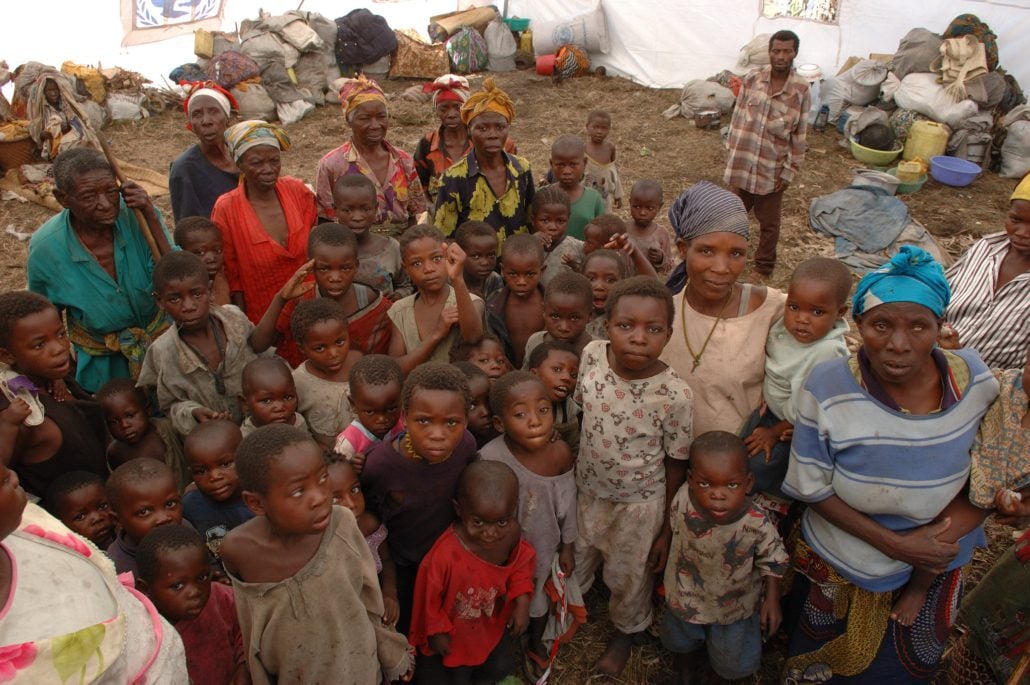
Renewed fighting involving M23 has displaced large numbers of people in eastern Democratic Republic of the Congo. According to the Mixed Migration Centre, more than 1.1 million Congolese are spread across Africa. Additionally, according to UNHCR’s Burundi situation page, as of Aug. 31, 153,560 Burundian refugees are spread across other parts of Africa, like Kenya, Uganda, Rwanda and Tanzania. As Congolese refugees struggle to return home alongside Burundi returnees, UNHCR supports this reintegration process.
What is UNHCR?
UNHCR, a U.N. organization, was established in 1950 in the aftermath of the Second World War. It dedicates itself to saving lives, protecting rights and building a better future for refugees. In September 2026, UNHCR published an operational update on assistance to Congolese refugees in Burundi and voluntary returns to the Democratic Republic of the Congo. They have been aiding displaced Burundians returning home since 2008, with a recent funding request as of December 2025 of $47.2 million.
According to their Burundi page, more than 100,000 people are displaced, including about 91,000 refugees and the rest being asylum-seekers. Most of these displaced people come from the DRC, with the influx increasing rapidly due to rising tensions between the M23 and the Congolese military. Since 2017, more than 185,000 Burundians have returned home mainly from Rwanda, Tanzania, Uganda, Kenya and the DRC.
Aid to Congolese Refugees and Burundian Returnees
UNHCR and its partners assist Congolese refugees living in Burundi and facilitate voluntary return for people going back to the Democratic Republic of the Congo, while also supporting Burundians returning to their own country. Here is how UNHCR is offering aid to Congolese refugees and Burundian returnees.
In an operational update, UNHCR highlights a handful of basic needs delivered to Burundi: education, protection, medical treatment and nutrition, food security, shelter, infrastructure, energy, water, sanitation and hygiene. UNHCR and its partners provide protection services, including legal assistance, efforts to address gender-based violence, and support for access to education. In Busuma alone, 890 people participated in awareness activities.
UNHCR protects physical health and well-being. For example, 7,690 medical consultations were completed for 6,312 refugees and 1,378 residents. In Musenyi, 1,572 refugees received medical consultations and 755 locals. UNHCR’s update also describes the provision of water and other essential services. In Busuma, 30,000 Burundian Francs ($10 USD) were distributed to each individual along with cereal, oil and salt.
Safe access to hygiene was provided as well, with 722 latrines in Musasa cleaned by UNHCR representatives and more latrines approved for construction in Musenyi. As the number of Congolese refugees and Burundian returnees rises, there is less access to shelter. To combat this, UNHCR distributed 325 to 299 families, housing 1,290 people. As the organization continues voluntary returns to the DRC, houses are being vacated, allowing UNHCR to reallocate these households. In total, 677 people representing 162 households were reallocated.
UNHCR approved future housing in Mibakwe and Kiranira for returnees, allowing them to thrive and better reintegrate themselves back home. This also includes 58 shelters in Rumadari, Gasenyi, and Rugadari, and 50 shelters in the Busoni commune. This is in accordance with efforts to reintegrate Burundians back home. While there is much more aid being distributed, one highlight of UNHCR’s work is the voluntary returns of Congolese refugees and reintegrating Burundians at home. As of Sept. 11, 2,084 Congolese refugees voluntarily returned home, bringing the total to 18,232 people.
UNHCR has outlined a plan in efforts to aid Congolese refugees and Burundian returnees.
Looking Ahead
UNHCR is taking sufficient steps toward providing aid to the voluntary return of Congolese people and Burundian returnees, but there are still more needs that need to be met, essentials such as food, water, shelter, access to health care, protection, hygiene and infrastructure. UNHCR has appealed for additional financial support as needs for protection, shelter, health care and livelihoods continue to exceed available resources.
– Olive Nelson
Olive is based in San Luis Obispo, CA, United States and focuses on Good News for The Borgen Project.
Photo: Flickr
