What to Know About the Pivot to Tackling Rural Poverty in Vietnam
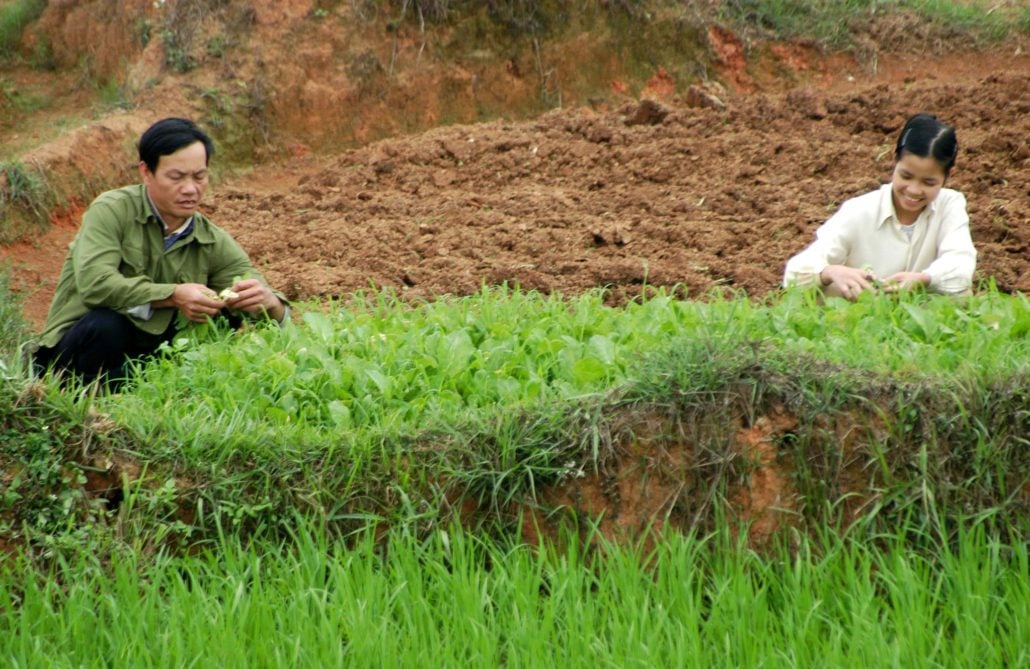
Vietnam has long been a standout nation in Southeast Asia for targeting poverty reduction. In 2022, only 1.6% of the population lived on less than $3.00 per day, while 1.9% fell into the multi-dimensional poverty category. The multi-dimensional poverty rate refers to the percentage of the population living with deprivations other than a low income; factors like poor health, education or low access to electricity or clean water. In Vietnam, this poverty is concentrated outside of the cities—70% of the Vietnamese population lives in rural or mountainous regions, and they account for more than 90% of Vietnam’s poor.
The New-Style Rural Development Programme
Vietnam has merged two government tracks, poverty reduction and rural advancement, into one new decade-long national initiative: the New-Style Rural Development Programme. This initiative does not seek to simply temporarily lower rural poverty in Vietnam. Nguyễn Đình Hòa, an expert from the Vietnam Institute of Economics and World Economy, says the New-Style Rural Development Programme’s version of poverty reduction will measure a poor household’s ability to withstand risks and sustain livelihood long term.
Going Green
Due to the agricultural nature of rural and mountainous regions, a core component of the initiative is restructuring the green economy with emphasis on sustainability and climate resilience. It is the first time Vietnamese policy has officially integrated these concepts, with Vietnam placing special significance on a circular economy over linear production methods. A circular economy seeks to reduce waste by keeping products and resources in rotation for as long as possible. Expert Trần Xuân Quỳnh believes that, as market requirements both domestically and internationally become stricter, adopting green measures in the nation will help in “increasing brand value and expanding export opportunities,” thereby stimulating the economy and decreasing rural poverty in Vietnam.
The initiative will also target cutting emissions and preserving the environment. The government will keep forest coverage at more than 42%. There will also be designated investment in climate-resilient infrastructure in rural regions and establishments for flood, landslide and drought prevention. Concerning multidimensional poverty, the New-Style Rural Development Programme will target access to clean water and treating solid waste in line with regulations. By the end of 2026, Vietnam aims for 62% of rural households to have access to clean water.
Digital Development
A digital transformation in rural Vietnam will take place in tandem with greener policy. Rural Vietnamese lack the same abilities to use telecommunication infrastructure as people in urban areas. Consequently, rural digital use is generally tied to providing entertainment rather than generating productivity or economic value.
The application of technology will enhance efficiency for rural businesses by allowing them to track emissions and energy use. Digital development is thus a core component of the One Commune-One Product (OCOP) program, which aims to develop quality and environmentally friendly goods by region, boosting local economies with a unique product. The program will also implement technology to expedite processing, help brands build a name and expand their markets much further than just the region from which they originate.
Increasing Income
By combining these elements, the ultimate economic goal of the program is to increase rural incomes. By the end of the first phase of the New-Style Rural Development Programme in 2030, the state hopes to increase rural incomes by two and a half to three times compared to 2020. Additionally, the aim is for multidimensional poverty to be reduced by 1-1.5% each year, and to stamp out poverty definitively in what the state considers “poor communes” (poverty). The initiative gives remote ethnic minorities special consideration as they are disproportionately concentrated in these communes. It should reduce the poverty rate in these households to below 10%. At the time of the program’s completion in 2035, 85% or more of communes should meet the new rural standard, and authorities should recognize approximately 33% as modern rural areas.
The New-Style Rural Development Programme may be a national initiative, but it operates on a community level to build the livelihoods of those living in rural poverty in Vietnam to withstand risk and ultimately prosper. Combining digital and green developments will stimulate local economies in a unique way, allowing communities all over the country to retain their respective cultures while moving toward a common goal.
– Hana Hardenbrook
Hana is based in Raleigh, North Carolina USA and focuses on Good News and Politics for The Borgen Project.
Photo: Flickr
