10 Ways Smart Cities in India Transform Urban Lives
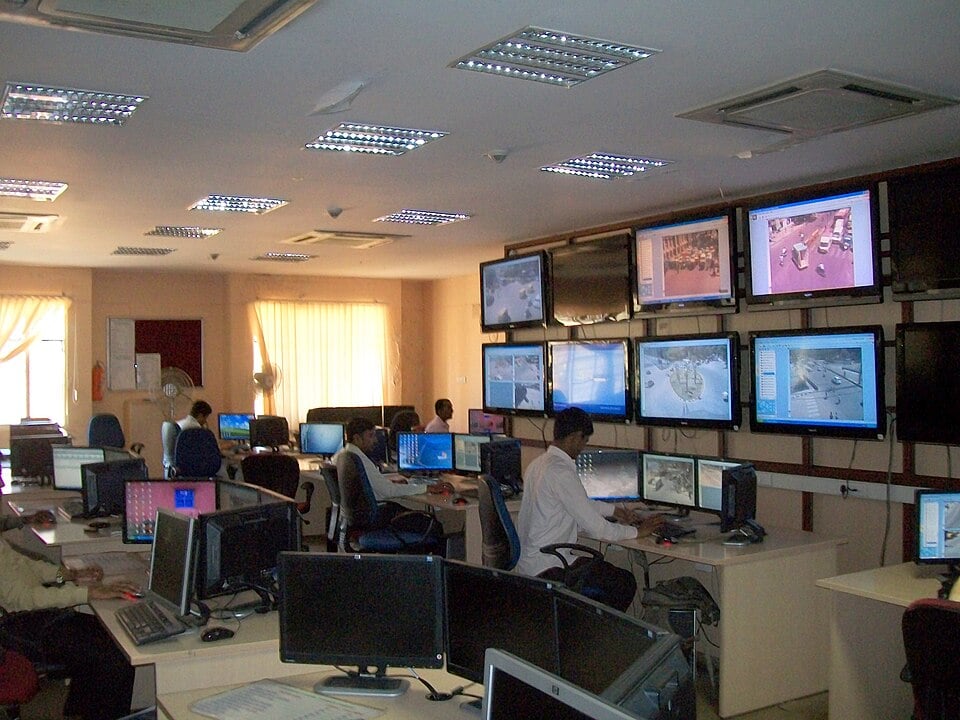
The country with the largest population in the world, India faces overcrowding and pressure on infrastructure and services in urban areas. However, the government launched the Smart Cities Mission in 2015, which has set up Integrated Control and Command Centers (ICCCs) in more than 100 cities, spearheading a data-driven approach to urban problems. This initiative has aided the urban population by remodeling urban spaces and increasing access to basic services. Here are 10 ways in which smart cities in India transform urban lives.
1. Traffic Management
By integrating data from disparate systems like traffic camera footage and Geographic Information System (GIS) mapping, ICCCs manage traffic congestion in real time. In Agra, a densely populated city in India, the incorporation of Adaptive Traffic Control Systems (ATCS) and Intelligent Traffic Management System (ITMS) into its ICCC optimized green light timings, decreasing waiting time on the road.
The data collected through ICCCs has increased the efficiency and reach of public transportation networks. Bus services in both Aurangabad and Surat have grown to cover over 40 routes. Improvements in traffic management and public transport enable urban citizens to commute safely, efficiently and affordably, reducing the stress and hassle of daily travels.
2. Upgrading the Water Supply Network
The World Bank Group estimates that water stress affects around 600 million people in India. However, Supervisory Control and Data Acquisition (SCADA) systems have expanded access to clean water in Smart Cities. These systems, within the cities’ ICCCs, monitor water levels and detect leakages in real time, facilitating effective water distribution. Ahmedabad has produced an additional water supply of more than 50 million liters per day, serving 150,000 more people as of 2023. Through smart technologies, India maximizes the use of its available resources to meet the demands of a large urban population.
3. Self-cleaning Toilets
The number of people practicing open defecation has dropped from 500 million in 2014 to 75 million in 2023, demonstrating an improvement in public hygiene over the years. The installation of self-cleaning toilets equipped with automated flushing and cleaning systems in numerous smart cities in India, including Ahmedabad, Chandigarh and Prayagraj, has sanitized public spaces and toilet facilities. Additionally, the construction of smart toilets both generates revenue for local entrepreneurs and increases their involvement in community infrastructure.
4. Converting Waste to Energy
According to the Central Pollution Control Board, from 2021 to 2022, close to half of urban India’s solid waste generated per day was untreated. However, waste-to-energy initiatives have simultaneously tackled solid waste management and boosted energy output. This shrinks the size of landfills, lowering the risk of contaminating the surrounding environment, and adapts to rising demands for electricity in urban areas. Jabalpur’s innovative Waste-to-Energy plant generates electricity by burning solid waste, powering more than 18,000 homes and saving 4.4 hectares of land.
5. Providing Housing
Urban areas in India suffered from a housing shortage of an estimated 1.5 to 2 crore units in 2025. Smart cities in India have been assisting the urban poor through the provision of affordable housing, along with basic amenities. This allowed Surat to build higher quality homes accompanied by sewage treatment and biowaste converter facilities, decreasing the area of slums by 14% from 2002 to 2022.
6. Incubation Centers
Incubation centers support startups involved in emerging technologies like AI and blockchain. Technical and financial assistance, including data sharing and the provision of modern workspaces, equip startups with the tools they need to thrive. These startups have then created more than 1,500 direct and indirect jobs, helping Smart Cities in India keep up with and prosper from new technological developments.
7. Smart Cards
Eighteen Smart Cities have improved their financial services through the implementation of smart cards. This allows citizens to make financial transactions, such as paying their property taxes or bus fares, conveniently and securely.
8. WiFi Hotspots
There has been a rapid increase in Internet access in India, from 15% in 2015 to 70% in 2025. WiFi hotspots in public locations, such as bus stations, hospitals and slum areas, have secured equitable access to the Internet, benefiting low-income households that may not be able to afford mobile data. This enhances digital connectivity and literacy in low-income neighborhoods, narrowing social disparities.
9. Registering Grievances
ICCCs organize service complaints on a digital dashboard, facilitating swift responses. Bengaluru has synthesized its Stakeholder Grievance management system with its ICCC, setting up 24-hour call centers and an online platform and app with chat bot function. These services register and process grievances in real time, alleviating stress.
10. Disaster Management
The installation of flood sensors in Smart Cities like Pune measures water levels, warning authorities of possible flooding and giving them more time to enact preparatory measures. This lessens the impact of flooding events, protecting lives and infrastructure. The 50 flood sensors in Pune facilitated the evacuation of more than 1,000 residents as heavy rain in July 2026 caused the Mutha River to overflow.
Utilizing technology in various ways, Smart Cities in India have adapted to expanding urban populations, striving to provide sufficient housing, clean water and electricity and cultivating safe and hygienic environments.
– Katy Wong
Katy is based in Hong Kong and focuses on Good News and Global Health for The Borgen Project.
Photo: Wikimedia Commons

