Women Entrepreneurs in Fiji and Economic Opportunity
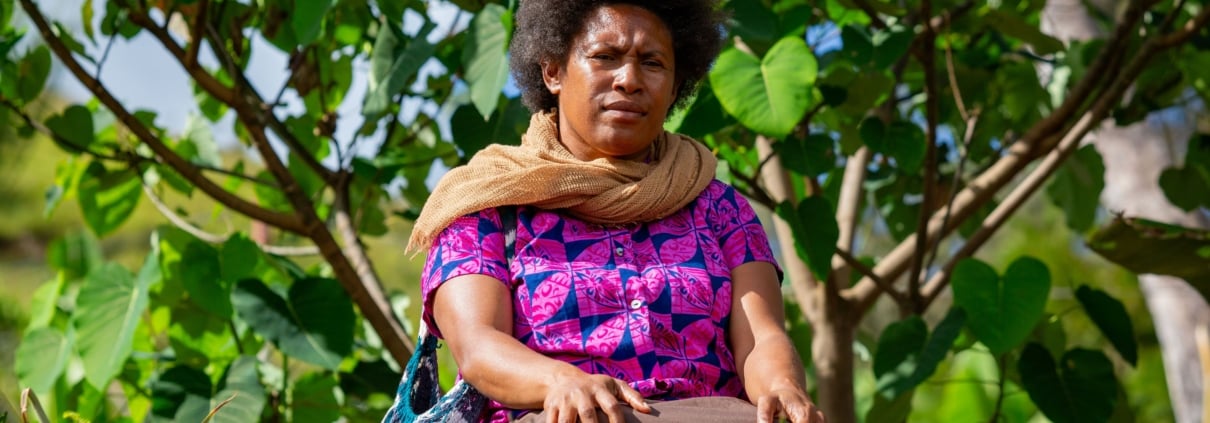 Women entrepreneurs in Fiji are playing an increasingly important role in the country’s economic development, particularly through tourism and small businesses. Across urban centers, rural communities and local markets, women are creating businesses that provide income for their families while contributing to their communities and the wider economy. However, many women continue to face barriers to finance, markets, training and technology.
The Growing Role of Women in Fiji’s Economy
Women already make a significant contribution to Fiji’s business sector. In 2024, the Fijian government reported more than 5,500 registered women involved in micro, small and medium enterprises (MSMEs), alongside 18,742 self-employed women and 4,650 women working in handicrafts. Tourism provides important opportunities for women to turn traditional skills, local knowledge and cultural practices into income. Women participate through handicrafts, food businesses, cultural experiences, accommodation and tour services. These enterprises can connect rural and maritime communities with both local and international visitors. When women generate their own income, they can also strengthen household financial security and create opportunities for others in their communities.
Women’s Entrepreneurship and Poverty
Supporting women entrepreneurs in Fiji is also relevant to poverty reduction. Poverty remains a significant challenge in Fiji, with 24.1% of the population living below the national poverty line in 2019-20, according to the World Bank. Poverty was even higher in rural areas of Fiji’s main islands, at 36.2%, and reached 39.2% in the outer islands. Supporting women entrepreneurs in these communities can help create household income and local employment opportunities, linking women’s economic empowerment with broader poverty-reduction efforts. Entrepreneurship cannot eliminate poverty by itself, but sustainable women-owned businesses can provide additional household income and create economic activity within communities. This is particularly relevant in rural areas, where tourism, agriculture, handicrafts and food businesses can provide alternatives to limited employment opportunities.
Barriers Women Entrepreneurs Face
Despite their contribution, women continue to experience significant challenges when starting and expanding businesses. Women-owned MSMEs represent 19% of MSMEs in Fiji and face an estimated $111 million in unmet credit demand. Limited collateral and traditional lending requirements can make it difficult for women to access finance. Women also face unequal unpaid care responsibilities. UN Women reports that women and girls aged 15 and older in Fiji spend 13.9% of their time on unpaid care and domestic work, compared with 4.9% for men. Limited access to digital technology and e-commerce is another challenge, particularly for tourism businesses that increasingly depend on online marketing, digital payments and booking platforms.
Training and Organizations Supporting Women
Training can help women develop the skills needed to build sustainable businesses. In 2024, Fiji’s Ministry of Women, Children and Social Protection, with support from the Japan International Cooperation Agency, provided women in villages in Moala with training in bookkeeping, marketing, branding, inventory management and saving strategies. There are also measurable results from financial-literacy programs. UN Women reported that 190 women from four Fijian markets applied financial-literacy skills in 2024. Of these, 75 transitioned to formal banking through a structured savings program, while 90 vendors began using digital tracking tools and organized financial records. The Women Entrepreneurs Business Council (WEBC) supports women through training, networking and connections to business-support organizations. It has also worked with the Fiji Development Bank, recording measurable progress in expanding finance for women entrepreneurs. By November 2023, the Fiji Development Bank had approved more than 1,000 loans specifically for women-owned businesses, worth approximately FJ$2.5 million. By 2024, the number of active women-led accounts had risen to 2,943, compared with 490 in 2021, while women accounted for 30.31% of the bank’s total loan portfolio value. FemLINK Pacific is another organization supporting women’s participation and leadership in Fiji. Through its community media and development work, FemLINK helps women in rural and marginalized communities have greater opportunities to share their experiences, participate in decision-making and raise issues affecting their livelihoods. This type of community-level support can complement financial and business programs by strengthening women’s voices and connections within their communities.
Expanding Access to Finance
Fiji has also introduced its first MSME Strategic Plan for 2025-2030 and a National MSME Database, intended to improve access to government support for entrepreneurs, including women-led businesses in rural and maritime areas. These initiatives demonstrate why supporting women entrepreneurs in Fiji requires more than providing loans. Women also need access to training, technology, markets, networks and opportunities to participate in economic decision-making. Tourism offers a particularly important pathway because women can build businesses around Fiji’s local products, culture and knowledge while connecting directly with visitors. Women are business owners, market vendors, producers and community leaders. With stronger access to finance, training, technology and markets, more women entrepreneurs in Fiji could develop sustainable businesses, strengthen household incomes and contribute to more inclusive economic development.
– Lilia Clark
Lilia is based in Oxford, UK and focuses on Business and New Markets for The Borgen Project.
Photo: Pexels
