The Global Commitment to Reducing Child Marriage in Guyana
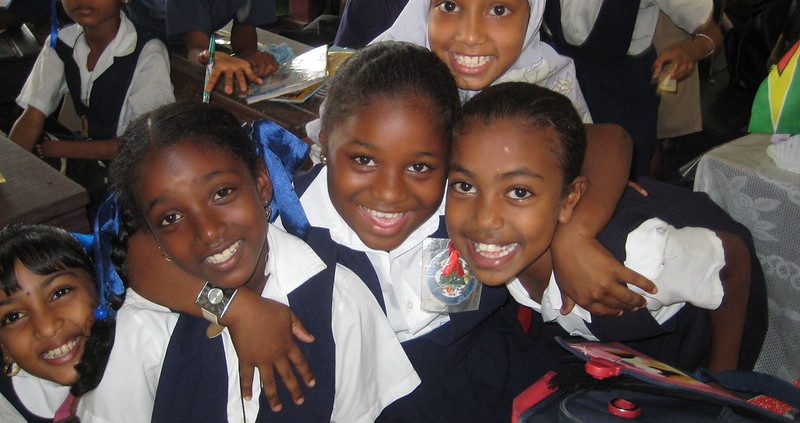 The prospect of economic security is one factor associated with the practice of child marriage in Guyana, with legislation allowing some individuals under the age of 18 to marry. International organizations are urging the Guyana government to combat this human rights violation through stronger child protection measures, poverty reduction initiatives and legislative reform.
Latin America and the Caribbean
Across Latin America and the Caribbean, nearly one in four girls marry before the age of 18. This is the only region in the world where there have been no signs of decline.
UNICEF conducted a research study in six Caribbean countries, including Guyana, between 2021 and 2022. The study included interviews with 55 women aged 18 and older who had entered unions as minors. The women interviewed identified poverty as a factor that influenced their decision to enter a union or marriage before the age of 18.
Child Marriage in Guyana
Guyana’s Marriage Act was originally passed in 1901 and has been amended several times. The act allows people aged 18 and older to marry without consent. While some minors may marry under special circumstances, in most cases, an individual under the age of 16 would not have their marriage legally recognized.
The law permits marriage for children aged 16 with parental consent or permission from the chief justice. A girl under 16 who is pregnant or has delivered a child may petition a judge of the High Court for permission to marry; the act also sets conditions for the proposed spouse, including where he is under 16.
According to UNICEF, 32% of women aged 20-24 in Guyana were married or in a union before age 18. This includes informal unions, which are not legally registered.
National Efforts
One example of Guyana’s efforts to strengthen child protection was the establishment of the Childcare and Protection Agency in 2009. The organization is responsible for protecting children and their rights while raising public awareness about child protection.
Former President David Granger introduced the Five Bs program in 2015 to increase school retention by providing transportation, books and breakfast to children in impoverished communities.
By improving access to education and providing resources, these initiatives may help reduce some of the economic pressures that can contribute to child marriage.
Global Efforts
International organizations are working with the Guyana government to strengthen child protection, education and awareness.
ABMA Education, a UK-based business that provides worldwide professional vocational qualifications, partnered with Nations Incorporated in Guyana to provide free training courses through the Women’s Innovations and Investment Network (WIIN). WIIN was created to advance women’s empowerment and could give women greater opportunities to pursue employment. In November 2025, the Guyana government reported that WIIN had trained more than 90,000 women in areas such as information and communication technology and hospitality. These opportunities may help reduce economic dependence on marriage.
The Committee on the Elimination of Discrimination against Women issued a report in 2019 recommending that Guyana introduce awareness campaigns to challenge cultural attitudes toward marriage. In a 2022 follow-up assessment, the committee reviewed Guyana’s progress on the recommendation.
The committee also advocated for new legislation that would establish 18 as the minimum age of marriage. This sentiment was shared by Guyana Responsible Parenthood Association and Blossom Inc., who made a joint statement in late 2025 renewing their demand for more legislative reform to protect children from marriage and exploitation.
The Commitment
The global commitment to ending child marriage cannot be fulfilled “until every girl, everywhere, is free to choose her own future.” Continuing to address the economic, cultural and social factors that contribute to child marriage, while strengthening legislation, child protection and education, can help advance this goal.
– Jasmine Chaudhry
Jasmine is based in UK and focuses on Good News and Technology for The Borgen Project.
Photo: Flickr
