How Community-Led Housing Strengthens Economic Security
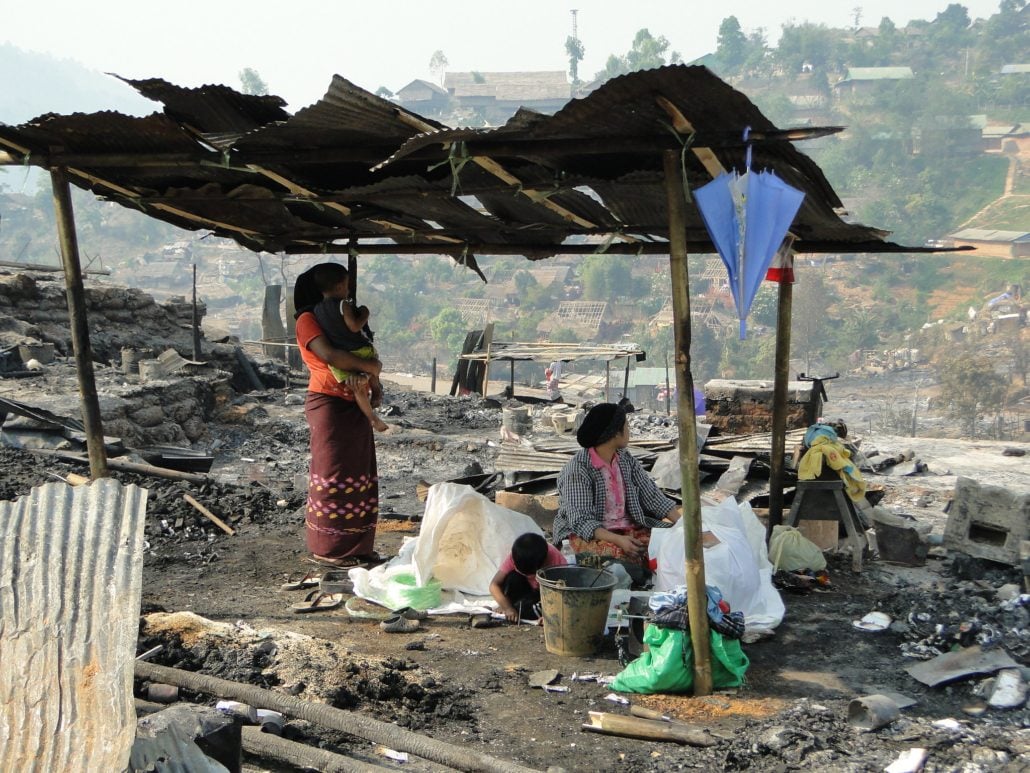
For families living in informal settlements, finding an affordable home can be about more than having a roof overhead. Without secure land or housing, families can face eviction, overcrowding and limited access to basic services. Community-led housing offers a different approach. Instead of governments or private developers making every decision, residents organize themselves to help design, finance, build and manage their own communities. Projects in countries including Thailand, Kenya and Brazil demonstrate how this approach can give low-income communities greater housing security and control. While community-led housing is not a standalone solution to global poverty, these examples suggest that giving residents greater control over housing can contribute to economic security, affordability and stronger communities.
Thailand Shows How Communities Can Lead
Launched in 2003, Baan Mankong places low-income communities at the center of housing development. Through Thailand’s Community Organizations Development Institute (CODI), organized communities can access financial and technical support to purchase land, construct homes and improve infrastructure. Rather than moving residents away from informal settlements and replacing them with government-built housing, the program often allows communities to determine what their neighborhoods need. Residents can form cooperatives, save money together, negotiate with landowners and decide how their housing should be developed.
The approach has operated at a significant scale. According to CODI, Baan Mankong had reached 142,763 households by 2026. There is also evidence of potential economic benefits for participating households. CODI’s recent Social Return on Investment research found that the proportion of respondents reporting family savings increased from 38.28% before moving into Baan Mankong housing to 76.90% afterward. The research also found that 58.62% of respondents said the program had reduced their housing expenses. These figures help illustrate an important principle of community-led housing: people experiencing housing insecurity can also be part of designing the solution, while individuals can connect access to secure housing to broader household financial security.
Kenya Uses Community Land Ownership
In Kenya, the Tanzania-Bondeni Community Land Trust in Voi has provided an alternative to conventional individual land ownership. The community land trust model places land under collective ownership while allowing residents to have secure rights to their homes. This distinction is important because inexpensive housing can become unaffordable again if properties are later sold at market prices. Community land trusts can help protect affordability by separating ownership of the land from ownership or use of the buildings on it. The model has therefore attracted attention as a potential way to provide long-term housing security for low-income communities. The International Center for Community Land Trusts identifies Tanzania-Bondeni as an important example of the community land trust model in the Global South.
Latin America Demonstrates the Power of Collective Action
Community-led housing and collective land ownership have also developed across Latin America. The Caño Martín Peña Community Land Trust in Puerto Rico provides a prominent example. The trust originated to help residents of an informal settlement obtain collective land security while improving housing and infrastructure. Instead of treating residents as passive recipients of housing, the model gives the community a formal role in managing its future. Collective ownership can also help residents remain in established communities rather than being displaced as land values increase. Further, research into community-led housing in Brazil, Nepal, Malawi and Zambia, drawing from more than 100 sources and case studies, has found that resident participation can contribute to improvements in housing, social inclusion and local governance. Together, these examples show how collective action can connect housing improvements with community decision-making and longer-term security.
More Than an Affordable House
The examples demonstrate that community-led housing can provide benefits beyond reducing the cost of a home. Residents can gain greater control over decisions that affect their communities. Cooperative structures can help people pool savings and access financing. Collective ownership can also help protect land and housing from speculation. Community-led housing can strengthen existing social networks as well. Instead of relocating residents away from their communities, some projects allow people to improve the places where they already live. Environmental improvements can become another benefit. Projects can incorporate green spaces, improved infrastructure and more efficient use of land.
The approach does not mean that communities must solve housing problems without outside assistance. Baan Mankong demonstrates the importance of government financing and technical support, while other community land trust projects rely on partnerships with nonprofit organizations and local authorities.
A Model With Global Potential
Community-led housing is not a single type of building. It is a way of organizing housing around the people who live in it. Together, the examples above suggest that addressing housing insecurity does not always require communities to wait for a developer or government agency to provide a finished solution. With access to land, finance and technical support, residents can become active participants in creating and managing affordable housing. For communities facing poverty, that shift can mean more than a new home. It can provide greater housing security, greater control over local decisions and, in some cases, a stronger foundation for household economic security.
The experience of Baan Mankong provides evidence that community-led housing can operate at substantial scale, while community land trusts demonstrate ways of protecting collective land security. Community-led housing is therefore not a simple answer to global poverty. But by putting residents at the center of decisions about land, housing and community development, it offers one approach to strengthening the security and resilience of low-income communities.
– Lilia Clark
Lilia is based in Glasgow, UK and focuses on Technology and Solutions for The Borgen Project.
Photo: Flickr
