Education Initiatives in Libya: Supporting Children
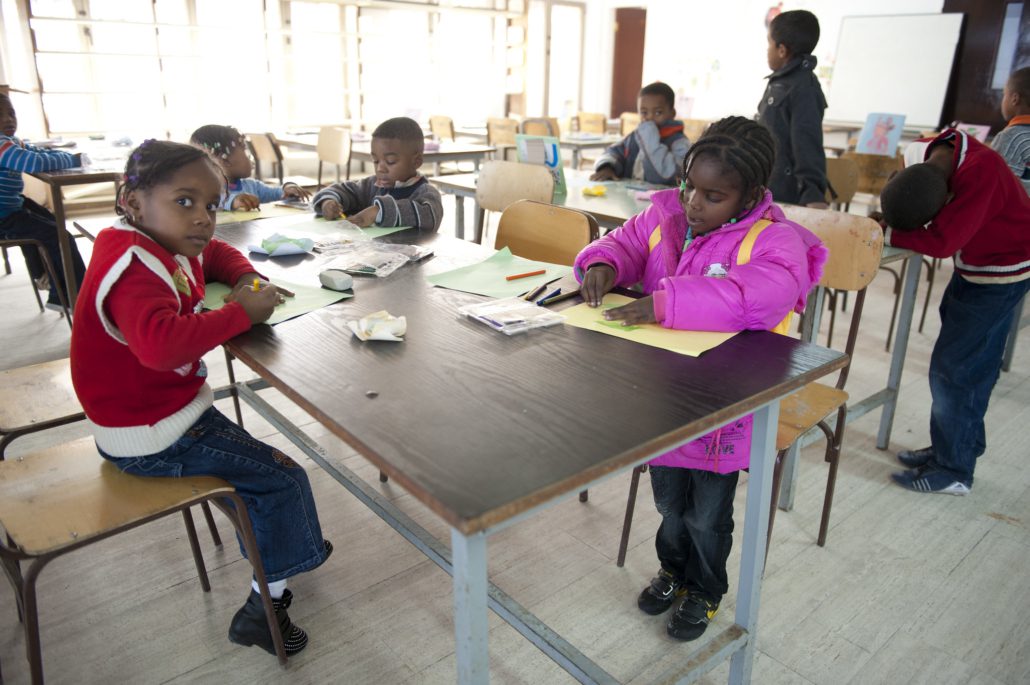
Libya’s education system has faced years of disruption following the 2011 revolution and subsequent conflict. Before 2011, Libya had achieved near-universal primary and secondary enrollment with equitable gender enrollment, but conflict, displacement and economic crisis have since restricted access to education. Education Cannot Wait reports that hundreds of schools have been targeted, destroyed or repurposed, while many children and adolescents remain out of the classroom.
The current challenges remain significant. UNICEF reports that about one in 10 households rely on child labor and that almost one in five families have at least one child out of school. UNICEF also continues to support vulnerable children, including children with disabilities, displaced children and children on the move, through education and protection programs. Here is some information about education initiatives in Libya and what they are doing to help.
The Good News: Education Initiatives in Libya
Several education initiatives are working to improve education and student well-being in Libya. In June 2026, the Libyan government and UNICEF launched two complementary initiatives: the National Community Health Program and the National Strategy for School Health and Nutrition (2026–2030). The school strategy addresses priorities including nutrition, mental health, water, sanitation and hygiene, digital referral systems and school clinics. Partners also plan to train school-health personnel and expand mental-health services over the five-year strategy.
This follows earlier efforts to strengthen Libya’s education system. In 2013, the European Union funded a two-year UNICEF initiative, led by Libya’s Ministry of Education, to improve teacher management and training. The €3.1 million project was designed to support teacher qualifications, in-service training, recruitment, management and deployment.
Other Initiatives
UNICEF also supports education in Libya through cash assistance, non-formal education and digital learning opportunities. In partnership with the Ministry of Education, it helps re-enroll out-of-school children, trains social workers and school counselors, supports teacher development and provides remedial or catch-up classes for children who have fallen behind.
Education Cannot Wait (ECW) also supports primary and secondary education in Libya. Its programs rehabilitate damaged schools, improve water, sanitation and hygiene facilities, support parent-teacher associations and provide cash transfers, scholarships, accelerated learning, remedial lessons and vocational training. ECW also trains educators to create more inclusive learning environments, particularly for girls and children with disabilities.
ACTED has also used Quick Impact Projects to address immediate problems in Libya’s education system. In 2018, 15 projects that UNHCR funded distributed school supplies, IT equipment and furniture and supported school renovations. ACTED reports that the projects supported around 3,300 students and contributed to community stabilization by creating safer educational environments that encouraged families to return.
The Road Ahead
Libya’s education system continues to face serious challenges, but domestic and international initiatives are expanding access to learning, improving school environments and supporting vulnerable children. Current programs from UNICEF and Education Cannot Wait sit alongside earlier efforts from organizations such as ACTED and the European Union, showing several approaches to strengthening education in Libya.
– Sebastiano Brussato
Sebastiano is based in London, United Kingdom and focuses on Good News for The Borgen Project.
Photo: Flickr
