Helping Survivors of the Colombian Earthquake
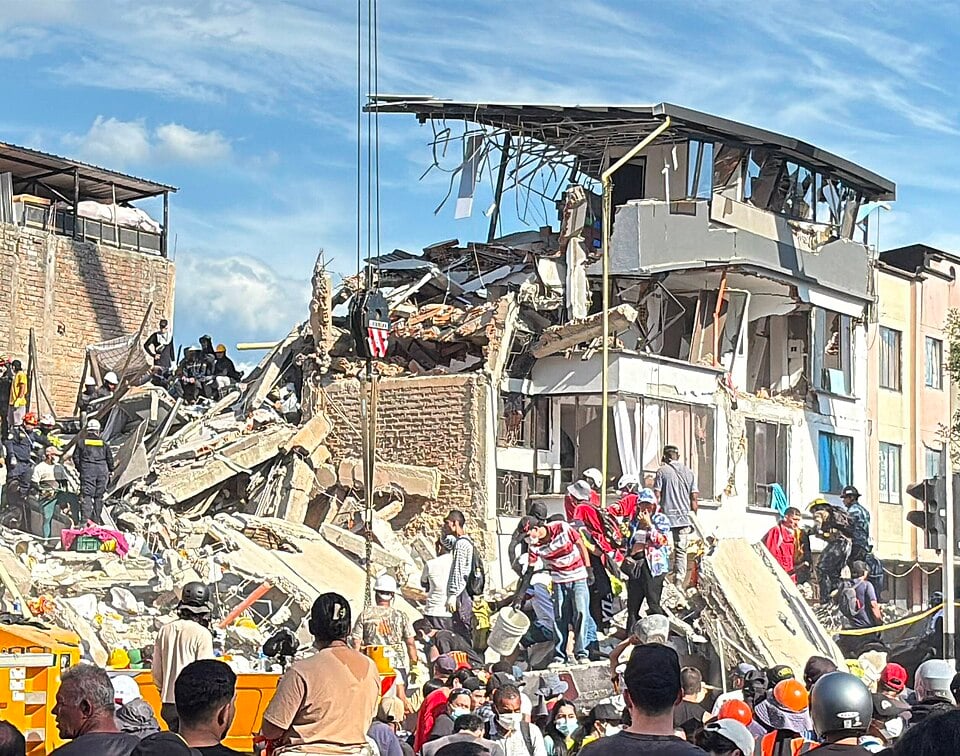
On August 10th, 2026, a large 7.4 magnitude earthquake hit the country of Colombia, causing the destruction of more than 10,500 homes on the western parts. The earthquake killed at least 281 people and injured thousands more with many others stuck under the rubble. First responders and authorities have worked tirelessly to search for and rescue any struggling survivors trapped under the rubble, their efforts focusing on the missing people especially because of the situation’s time sensitivity. Despite the dire situation due to the Colombian earthquake, NGOs and humanitarian organizations are actively helping vulnerable communities.
Situation Overview
The 7.4 Colombian earthquake struck shortly after 7:30 pm (GMT-5), shaking the whole country, including its neighbor Ecuador. During this, apartment blocks were toppled and both schools and homes were damaged as people rushed out into the streets to escape the collapsing debris. From recent reports, 281 people were killed (many of them in Cali, Colombia’s third most populated city), more than 3,900 injured – though both numbers are rising as more information is revealed – and about 379 people are estimated to be missing according to the data.
The earthquake has also worsened the people’s quality of life: food insecurity is higher with 31% of the population in Chocó and 29% in Valle del Cauca going hungry as a combination of the disaster and displacement. To compare, the country had 37% of households were suffering from food insecurity before the earthquake hit, making the pre-existing issues worse. Their access to medication and medical help has also been affected due to more than 84 hospitals being damaged in the wake of the earthquake, leaving medical staff scrambling to provide care for many of the injured victims. Shelter has been another point of concern due to the mass distraction of hundreds of houses.
NGOs Working in Colombia
There are several NGOs and other humanitarian organizations that are working in Colombia to aid vulnerable people. These include:
Food for the Poor
Food for the Poor is a nonprofit organization that aims to bring urgent relief to vulnerable families experiencing poverty. Since its founding in 1982, its services include providing food, clean water, health care and shelter for people in poverty. It provided 943 million meals to Colombians between 2019 and 2023 and distributed $3.2 million worth of aid during that same time frame.
The World Food Program (WFP)
Speaking of providing meals, WFP is one of the world’s largest humanitarian organizations that focuses on helping and providing food for people during emergencies, such as conflict, disasters and impacts from particularly bad weather. WFP has been working in Colombia as recently as from January 2026 to June 2026, providing food for at least 260,000 across the country and gave cash-based transfers to vulnerable communities experiencing conflict and climate shock. This included 75,000 children and reached 1.2 million schools. After the earthquake, it has focused its services on helping the survivors of the earthquake.
Looking Ahead
The Colombian earthquake has destroyed buildings, killed 281 people, and injured many others. However, numerous NGOs are ready to assist, and there are many ways to support the victims.
– Michalitsa Kontogianni
Michalitsa is based in Washington, DC and focuses on Good News and Global Health for The Borgen Project.
Photo: Wikimedia Commons
