Children Benefit from Sports for Good
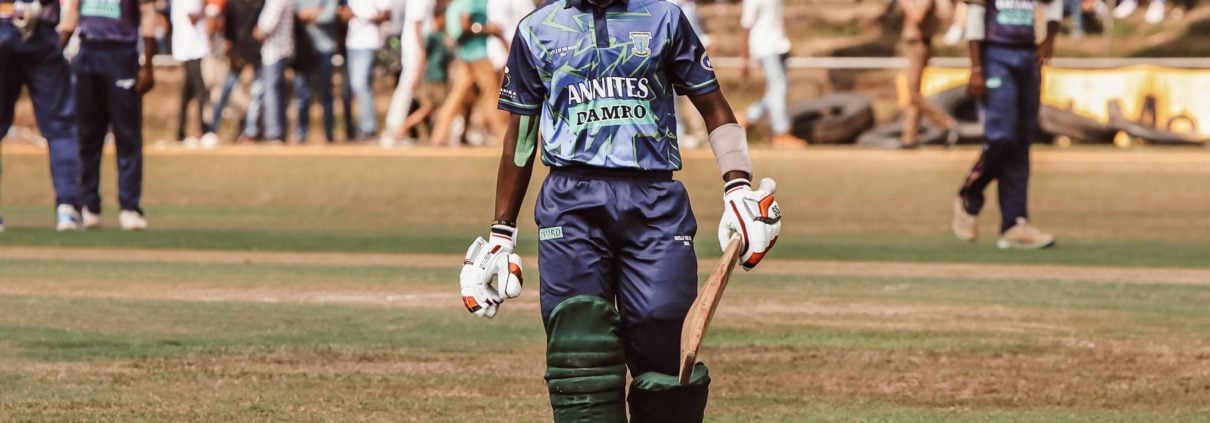 Sports bind people, as they are not just fun or leisure activities, but rather a form of social cause helping tackle issues like poverty. Sports like cricket have helped children from impoverished backgrounds become some of the most popular household names.
Cricket for Good: A Global Partnership
For sports to actually cause a difference, boards like the International Cricket Council and domestic circuits like the Australian cricket team have taken great steps alongside global organizations like United Nations Childrens’ Fund (UNICEF) to establish programs and sports for goodwill.
One of the prime examples is “Cricket for Good,” which was initiated in 2015 as a five-year partnership between the International Cricket Council (ICC) and UNICEF to use cricket as a means to improve the lives of poor and unsupported children across the world.
For the ICC, the partnership carried institutional benefits as well; as a corporate social responsibility (CSR) initiative, it was a golden opportunity to improve reach and accessibility to cricket across non-traditional cricketing nations.
However, the ICC and UNICEF kept the focus of the partnership toward poor child development, from nutrition and quality education to protection. This overall contributed to improving children’s lives, regardless of what area of the world they were from.
This partnership was extended and still continues, and is reflected in international games, especially international tournaments hosted by the ICC, from World Cups to WT20 cups.
When Cricket for Good Improved Lives
Cricket for Good’s pilot program launched successfully in Papua New Guinea and also found success in Fiji. Cricket Fiji, along with the ICC, the Ministry of Sports and the Australian cricket team, has used cricket as a means to overcome gender discrimination among children and to provide a platform for their physical and mental development. This is especially important since Oceania has a roughly 34% female poverty rate, the second highest after Sub-Saharan Africa. With half of the program’s coaches being women, the initiative has strengthened its effort to provide resources and support regardless of gender.
In 2016, the program launched the movement “Team Swachh,” months before the WT20 hosted by India. It focused on improving toilet use and sanitary practices among children from poor economic backgrounds, particularly those connected with nongovernmental organizations (NGOs). Prominent cricketers such as Yuvraj Singh were invited to play cricket with these children while promoting sanitation. The initiative covered 3,000 kilometers across eight host cities in India, meeting hundreds of impoverished children to spread awareness of sanitation.
Expanding Reach Through Global Campaigns
The success of the 2016 movement led to another campaign in 2017, held in the United Kingdom (U.K.), aimed at protecting children’s lives, called #oneday4children. The campaign also sought to raise funds toward a safer world for children and to provide greater sports-related opportunities for less fortunate kids in the U.K. Sponsors of ICC contributed in various ways, including Booking.com donating $500 for every wicket, Gray-Nicolls giving 25% of proceeds from a limited-edition bat to UNICEF, and Uber pledging $500 for every four runs scored.
In 2023, South Africa hosted the U-19 Women’s T20 World Cup, and Cricket for Good set up sports clinics in partnership with Cricket South Africa and UNICEF, which were visited by more than 450 people. These clinics were not limited to playing or teaching sports; they also offered life lessons on overall well-being and how to navigate difficulties in life, expanding the reach of “sports for good” to the U-19 age group.
The Path Ahead
A partnership originally intended to finish in 2020 has exceeded its deadline and been extended many times, reflecting the program’s continued importance to the community. It has provided platforms for children facing poverty across nations and helped connect them with the world of sports, spanning countries from India to Burundi.
Cricket Australia has also joined with the United Nations (U.N.) to launch a campaign called “Every Child Can Play,” in which Australian cricket players such as Pat Cummins tour the world to support children by providing cricket kits and other developmental aid to improve their lives.
The success of the program rests on the continued appreciation of cricket and the efforts of cricketers, boards and everyday people to promote sports for good, helping not only to provide entertainment but also to change lives for the future.
– Tanay Ashok Sonthalia
Tanay is based in Melbourne, Australia and focuses on Good News for The Borgen Project.
Photo: Pexels
