Women-Led Oyster Harvesting in The Gambia
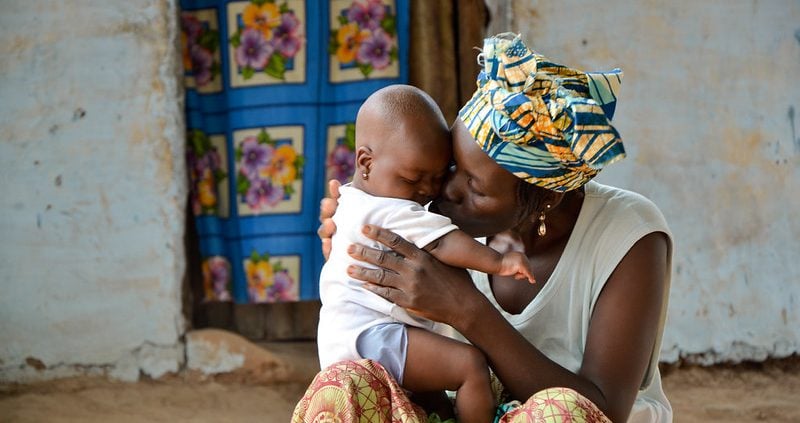 The Gambia’s oyster industry is emerging as a powerful example of how women-led conservation and entrepreneurship can reduce poverty while protecting the environment. The TRY Oyster Women’s Association, supported by the Food and Agriculture Organization’s (FAO) FISH4ACP Program, is a grassroots organization representing hundreds of female oyster harvesters. Through sustainable mangrove oyster harvesting and marine conservation, the association equips women with safer harvesting practices, swimming and water safety skills and greater economic opportunities. Women-led oyster harvesting in The Gambia demonstrates how investing in women’s cooperatives can strengthen food security while promoting sustainable development across West Africa.
Poverty in The Gambia
Although poverty remains a significant challenge in The Gambia, recent development initiatives have contributed to gradual improvements. According to World Bank projections, the poverty rate is expected to decline from 20.3% in 2025 to 20.1% in 2026 and 18.5% by 2028, lifting an estimated 30,000 people out of extreme poverty compared to 2025 levels. Alongside broader economic and social reforms, initiatives such as the TRY Oyster Women’s Association and the FAO’s FISH4ACP program are helping create more sustainable livelihoods for vulnerable communities.
The changing climate remains one of the country’s greatest development challenges. More frequent floods, droughts and shifting weather patterns threaten an economy that relies heavily on agriculture and fisheries. By creating safer jobs for women while encouraging sustainable management of coastal ecosystems, women-led oyster harvesting in The Gambia helps strengthen livelihoods, improve resilience to climate shocks and support local economic growth.
How Women-Led Oyster Harvesting Supports Communities
Fisheries play a vital role in The Gambia, supplying animal protein for approximately half of the population. Oyster harvesting is one of the sector’s most physically demanding occupations, and women make up about 98% of the workforce. Harvesting oysters often involves working in mangrove forests under difficult and sometimes dangerous conditions. Limited equipment, inadequate sanitation and a lack of swimming skills have historically increased safety risks for harvesters.
Through the FAO’s FISH4ACP program, women have received swimming lessons, life jackets, canoes and training in safer, more sustainable harvesting techniques. These investments not only improve worker safety but also help increase productivity while protecting the mangrove ecosystems that oyster populations depend on.
Successes of the TRY Oyster Women’s Association
The TRY Oyster Women’s Association has united approximately 500 women from 15 communities, giving harvesters a stronger collective voice and greater economic security. Because many women serve as primary earners and food providers for their families, strengthening this workforce has benefits that extend throughout local communities.
The Illuminating Hidden Harvests initiative estimates that 13,868 women participate in The Gambia’s fisheries sector. TRY has helped raise the visibility of these workers while advocating for better management of the country’s natural resources.
One of the association’s most significant achievements came in 2012, when it secured co-management responsibility for the Tanbi Wetland National Park. The agreement designated the protected area as a special management zone, allowing local women to play a leading role in conserving mangrove habitats while ensuring oyster harvesting remains sustainable for future generations.
Looking Ahead
Women-led oyster harvesting in The Gambia illustrates how community-led conservation can reduce poverty while protecting natural resources. By investing in women’s leadership, improving workplace safety and promoting sustainable harvesting practices, initiatives such as the TRY Oyster Women’s Association and the FAO’s FISH4ACP program are creating more resilient livelihoods and helping build a stronger future for coastal communities.
– Anna Morin
Anna is based in Fairfield, CT, USA and focuses on Good News and Politics for The Borgen Project.
Photo: Flickr
