4 NGOs Fighting Poverty in Eswatini
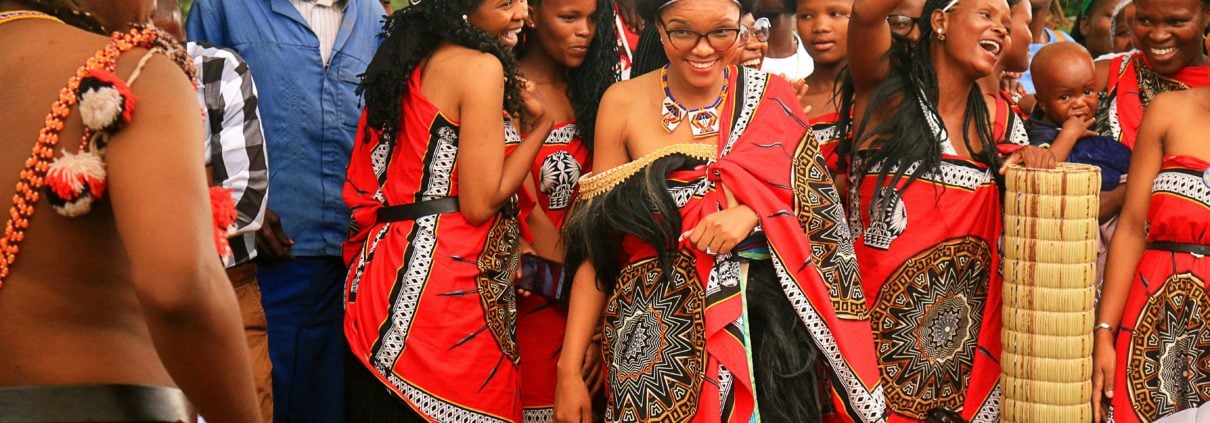 Eswatini, formerly known as Swaziland, is a small country in southern Africa where more than half of the population lives below the poverty line. Common challenges include unemployment, violence and Human Immunodeficiency Virus (HIV), which can exacerbate issues in vulnerable communities.
Unemployment in Eswatini often means that people have no stable income and fall into poverty. More than 36% of people aged 15 to 24 are not in education, labor or training. This leaves them with neither income nor security of future employment. The government recently developed unemployment relief programs and social protection initiatives, including programs that provide health care.
HIV is a common issue in Eswatini. Mortality in parents leaves many children orphaned and unable to provide for themselves. When a family member is infected with HIV, the family often sells livestock and other goods to buy medicine to treat the illness. Sometimes, men leave their wives if their wives have HIV, cutting household income in half.
Sexual violence is an issue that facilitates HIV transmission in the population. In 2019, 17.7% of women aged 15 to 49 reported that they had been subjected to physical or sexual abuse by a current or previous sexual partner. Sexual violence can spread disease quickly through a population. It can also create additional stress for those already struggling financially, causing physical and mental strain that may interrupt work and possibly lead to unemployment.
Nongovernmental organizations (NGOs) across Eswatini are working to address these overlapping crises. Here are four making a measurable difference.
Moya Centre
Jane Cox founded the Moya Centre in 1999 during the height of the HIV/AIDS pandemic and focused her efforts on the Lobamba Lomdzala community’s needs. The Moya Centre is one of several NGOs in Eswatini that focus on providing relief from HIV/AIDS. In the early stages of the organization, leaders recognized the need to provide access to clean vegetables and partnered with United Nations Children’s Fund (UNICEF) to provide gardening skills to the community. Later, David Bliss, who visited Eswatini, recognized the need for education in the area and donated a large sum of money to the community.
UNICEF provided guidance to ensure that the program aligned with the “Education for All” initiative. Later, the Moya Centre provided schools with uniforms, kitchens and classrooms, as well as training for teachers and counselors, with professional psychologists to lead sessions. Between 2005 and 2019, 360 children completed the preschool program. The Moya Centre has also sponsored more than 600 children to attend high school.
World Vision
World Vision is a religious nonprofit organization based in Mbabane, Eswatini that focuses on ending extreme poverty in Eswatini, as well as more than 100 other countries. In Eswatini, World Vision helped 13,500 families access community-based savings and lending groups to help them build credit and escape poverty. In 1992, a failed harvest in Eswatini prompted World Vision to take emergency action. The organization distributed food to affected areas, such as Nkalashane, to ensure that people would not fall into extreme poverty.
During the COVID-19 pandemic, the organization equipped communities with gloves, masks, hand sanitizer and educational resources to help prevent illness. This program has produced many success stories, one example being Nozipho Mahlalela, who graduated with distinction from the University of Eswatini after living under the support of World Vision.
Friends of Eswatini
Friends of Eswatini, formerly Friends of Swaziland, is a 501(c)(3) organization composed primarily of Peace Corps volunteers and staff who have experience in Eswatini and want to continue supporting the country through their own poverty alleviation projects. The organization not only executes its own projects, but also provides funds for other NGOs in Eswatini, such as the Young Heroes Foundation, which focuses on protecting vulnerable children from HIV/AIDS. Over the last 20 years, Friends of Eswatini has raised more than $40,000 to fund other nonprofits’ projects, including a $25,000 grant to Young Heroes.
That support has become more urgent recently. Cuts to United States Agency for International Development (USAID) funding caused Young Heroes to lose 87% of its budget in 2025. The organization was forced to cut its staff from 103 to 20 and its community volunteers from 348 to 12.
Swaziland Action Group Against Abuse
The Swaziland Action Group Against Abuse (SAGAA) is among the most prominent NGOs in Eswatini. It focuses on preventing and seeking justice for sexual violence in Eswatini. The organization organizes events related to gender-based violence prevention and publishes its own articles on the topic. It also provides resources to empower young girls and educate young boys about gender-based violence, in an effort to challenge harmful gender norms in Eswatini. SAGAA further provides resources to protect young children from sexual violence by adults, using positive activities such as guided discussions, songs and games to teach children about respect and prevent violence.
The organization provides resources to those who have experienced violence through counseling services and access to justice through its Care and Support Unit. Through its partnership with UNICEF, SAGAA created a tool called U-Report. U-Report allows community members to rapidly share messages by SMS if a case of violence occurs, so they can seek support as quickly as possible. Within five months, SAGAA received more than 1,000 reports of violence. Through this system, SAGAA can also identify the areas that receive the most reports and increase support there.
NGOs in Eswatini provide crucial assistance. Although people face many challenges related to health and education, these organizations offer invaluable support to Swati communities, helping them thrive both physically and intellectually.
– Amber Mantiply
Amber is based in Silver Spring, MD, USA and focuses on Good News and Technology for The Borgen Project.
Photo: Unsplash
