Digital Skills in Cabo Verde: Remote Work for Youth
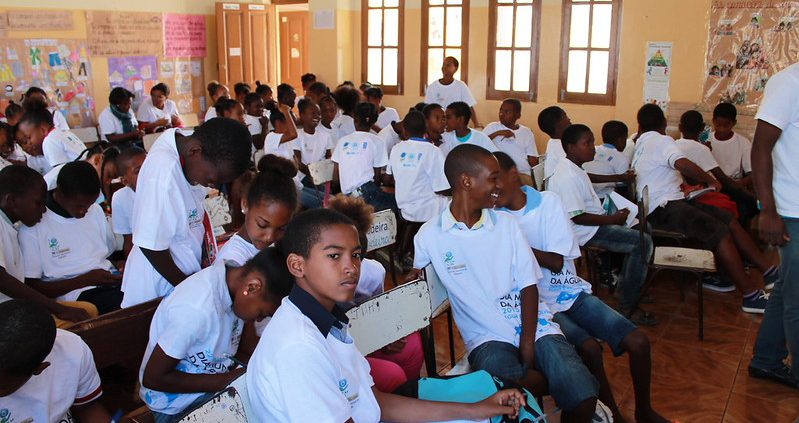 For many young people in Cabo Verde, finding stable work can be difficult. The country consists of small islands with limited local job markets. Tourism, services and migration have shaped many opportunities, but not every young person can access a steady job through those paths. In 2026, the government launched Skodji Digital, a national program focused on digital skills in Cabo Verde. The program aims to help young Cabo Verdeans learn practical digital skills, prepare for remote work and take part in the global gig economy.
Why Youth Employment Matters
Youth unemployment and lack of training remain important issues in Cabo Verde. According to the U.N. Global Accelerator, 27% of young people in Cabo Verde are not in education, employment or training (NEET). This means many young people are outside school and the labor market at the same time. For families living with low income, this can make poverty harder to escape. Young people may not have the skills, job contacts or work experience needed to earn regular income. The connection to poverty is still clear in the country’s recent data. The World Bank reported that poverty in Cabo Verde dropped from 53.8% in 2024 to 51.2% in 2025. That figure uses the upper-middle-income poverty line of $8.30 per day. The same report said youth unemployment remained above 15%, even though the national unemployment rate fell to 6.2%. This shows that economic growth has helped Cabo Verde, but many low-income families and young people still need better access to stable jobs.
Cabo Verde has made progress in reducing poverty, but many households still depend on informal work and have limited access to social protection. The ILO reported that social protection coverage reached 60.3% in 2023, compared with 43.6% in 2016. However, the same source says Cabo Verde is still trying to expand coverage by connecting social protection with the formalization of the economy. During COVID-19, the government created a solidarity grant for informal workers. It also provided food assistance for 22,500 families and emergency income support for 14,000 of the poorest families. These examples show why job training matters, because some families still depend on informal or unstable work and need better paths toward formal income. In this situation, job training is not only about education. It can also become a path for income, stability and more independence for young people.
What Skodji Digital Does
The government of Cabo Verde launched Skodji Digital on Jan. 27, 2026. The program’s first phase opened 1,050 places. Its eventual goal is to benefit up to 3,000 young Cabo Verdeans by training them in skills connected to the global digital labor market. It also promotes access to remote work, the gig economy and digital micro-businesses. The program’s training phase lasts between two and six months, depending on the path each participant chooses. According to Special Projects Management Unit (UGPE), the program offers structured digital skills training and access to international digital work platforms. It also provides career paths in emerging digital sectors and support for digital entrepreneurship. This makes the program different from regular training because it connects learning with ways young people may earn money online.
Skodji Digital also fits into Cabo Verde’s larger digital plans. The program operates under the Digital Cabo Verde Project and has support from the World Bank. The goal is to build skills that match today’s labor market. That marks a shift from only preparing young people for local jobs that may not exist in large numbers. Through digital skills in Cabo Verde, young people can learn tools that may help them work with clients and companies outside their own island or country.
Connecting Training to Poverty Reduction
Digital training can help young people build more flexible income opportunities. Remote work can be especially useful in island countries because it does not always require a person to move to a larger city or leave the country. A young person with digital skills may find work in areas such as online services, digital marketing, data tasks, customer support, design or small online businesses. These jobs still require strong training and internet access, but they can open doors beyond the local economy.
The World Bank also announced the SIRA program in 2026, which will support Cabo Verde, Côte d’Ivoire and Guinea. In Cabo Verde, the program will help youth ages 15 to 35 gain job-relevant skills and improve access to certification. It also aims to expand employment opportunities in growth sectors. The World Bank expects the Cabo Verde part of SIRA to directly benefit about 50,000 young women and men. This shows that Skodji Digital is part of a bigger push to connect youth training with real jobs.
A Larger National Effort
Other programs also support Cabo Verde’s focus on jobs and poverty reduction. The Joint Sustainable Development Goal (SDG) Fund supports a program that helps Cabo Verde prepare a roadmap to reduce extreme poverty through decent jobs and social protection. The program focuses on vulnerable groups, especially women and youth who are not in education, employment or training. It also aims to reach 12,000 households living in extreme poverty. Another Joint SDG Fund program focuses directly on economic inclusion for extremely poor households, especially women heads of households and NEET youth. It also supports rural micro-businesses, self-employment activities and micro businesses in the informal sector so they can move toward formal work. This connects well with Skodji Digital because both efforts focus on giving vulnerable people skills that can lead to income.
These efforts show how the government and international partners are trying to connect poverty reduction with employment. Cash support and social protection can help families survive difficult periods, but skills and jobs can help families move toward long-term stability. By focusing on digital skills in Cabo Verde, Skodji Digital gives young people another option in a changing economy.
Looking Ahead
Skodji Digital does not solve every barrier young people face. Internet access, equipment, language skills and job placement support still matter. However, the program gives Cabo Verde a modern way to respond to youth unemployment. Instead of only depending on traditional jobs, young people can prepare for work that reaches beyond the islands.
The program’s goal of training up to 3,000 young people is a strong step toward more digital inclusion. Skodji Digital could help more young Cabo Verdeans participate in the global economy while supporting poverty reduction at home, if it continues to connect training with real income. For a small island country with big ambitions, digital skills may become one of the most important tools for youth opportunity.
– Mateo Alcocer
Mateo is based in West Hills, CA, USA and focuses on Good News and Technology for The Borgen Project.
Photo: Flickr
