Mobile Banking in Uganda Is Expanding Economic Opportunity
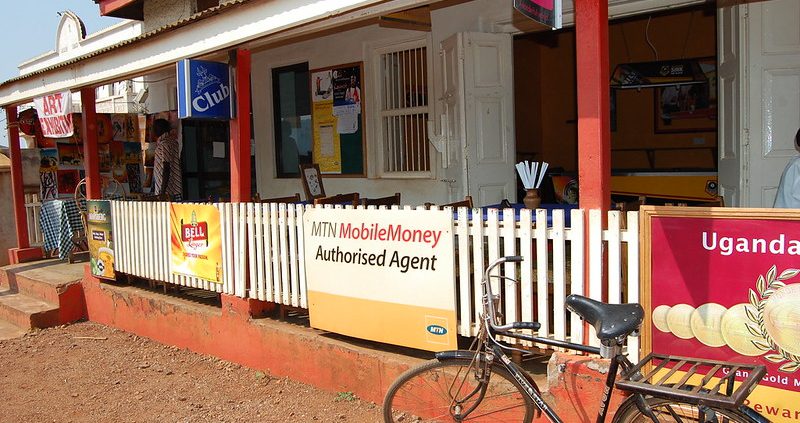 Mobile banking in Uganda is transforming the way its citizens grow their businesses. By expanding access to financial services, digital banking platforms are helping individuals and families increase their incomes while creating new opportunities to reduce poverty across the country. The World Bank estimates that about 41% of Ugandans live on less than $2.15 per day, making access to affordable financial services particularly important for low-income households seeking to save money, receive payments and build economic security.
Improving Access in Rural Areas
Many Ugandans, particularly those living in rural communities, have traditionally struggled to access formal banking services. Long travel distances and limited financial infrastructure have made it difficult for many people to invest in businesses because they are already struggling to save money. Mobile banking has helped bridge this gap by allowing users to complete financial transactions using mobile phones, which are now widely available across the country.
One of the country’s most significant developments has been the rapid expansion of mobile money services. Companies such as MTN Mobile Money and Airtel Money have worked alongside the Bank of Uganda to increase financial inclusion by providing secure digital payment systems that allow users to send money, pay bills, receive wages and access financial services without visiting a bank branch.
Supporting Vulnerable Populations
According to the Global System for Mobile Communications Association (GSMA), Uganda has taken steps to make mobile services more accessible for vulnerable populations, including refugees. A regulatory directive allows refugees to use officially recognized refugee identification documents to register for mobile services, making it easier for them to access mobile money and digital financial tools. By reducing barriers to mobile access, the policy can help displaced people receive payments, save money and participate more fully in the local economy while strengthening broader efforts to expand financial inclusion across the country.
Mobile banking also supports entrepreneurship. The World Bank reports that greater financial inclusion helps entrepreneurs strengthen their financial resilience and manage business income more effectively. These services are particularly valuable for small businesses, which often face challenges obtaining financing through traditional banking institutions. Access to digital payments can help businesses build transaction histories that may improve future access to credit.
Women have also benefited from expanded digital financial services. The United Nations Capital Development Fund (UNCDF) has supported initiatives that improve women’s access to digital finance by strengthening financial literacy and encouraging the use of secure mobile payment systems. According to the World Bank’s Global Findex database, the share of Ugandan women with financial accounts has increased significantly over the past decade, helping more women manage household finances, save money and participate in local economic activity.
Government Support and the Agricultural Sector
The government of Uganda continues to strengthen the country’s digital financial sector through the National Payments Strategy, which promotes safe, affordable and inclusive digital payment systems. The strategy encourages innovation while expanding access to financial services for underserved populations, helping create a more resilient and inclusive economy.
Mobile banking in Uganda is also helping strengthen the agricultural sector, which employs a large share of the country’s workforce. Digital payment platforms allow farmers to receive payments more quickly, purchase farming supplies and access financial services without traveling long distances. The Food and Agriculture Organization identifies digital financial services as an important tool for improving farmers’ access to markets and increasing resilience against economic shocks, particularly in rural communities where financial infrastructure remains limited.
Mobile banking in Uganda is doing more than modernizing financial services. Partnerships between the government of Uganda, the Bank of Uganda, MTN Mobile Money, Airtel Money, GSMA and UNCDF are helping residents build businesses while creating new pathways out of poverty. As digital financial services continue to expand, mobile banking is likely to remain an important tool for strengthening Uganda’s economy and improving livelihoods for millions of people across the country.
– Archie Monton-Black
Archie is based in Bedford, UK and focuses on Business and Technology for The Borgen Project.
Photo: Flickr
