Ugandan Resilience Program Aids Self Sufficiency
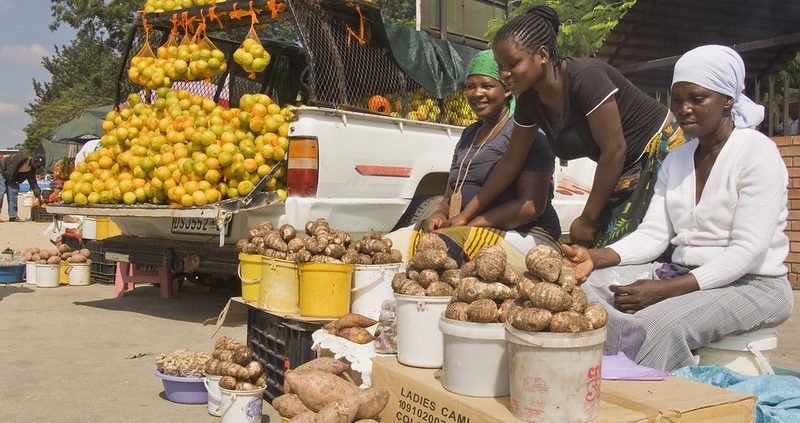 About 16% of Ugandans live in extreme poverty, which is over 7 million people who make less than $1 per day. Uganda’s harsh environment makes it difficult to maintain agricultural land, so those facing financial hardships are disproportionately in rural areas. There are also about 2 million refugees from neighboring countries, many of whom are impoverished as well. However, the extreme poverty rate has decreased over the years, dropping from 20% in 2021. The decline in poverty can be largely attributed to large-scale humanitarian efforts.
Challenges in Agriculture
An imbalance between heavy rainfall and long-term droughts makes crop growing far more difficult. With these losses in production, people living in poverty have more difficulty affording the limited supply. Likewise, many farmers who rely on crop growing for their income often find themselves out of a job. This is especially devastating as more than 70% of the Ugandan workforce is employed in the agricultural industry.
AVSI Foundation’s Impact
The AVSI Foundation is an international nonprofit organization founded in 1972 that provides humanitarian aid to impoverished countries worldwide. In 2025, it helped more than 4 million people in 41 different countries.
AVSI assists large communities in various ways, such as ensuring that children receive a proper education by funding schools. It also provides emergency aid to those who suffer after a natural disaster. The foundation helped more than 150,000 students in Côte d’Ivoire through various projects by building schools and assisting many of the same students with vocational training afterward.
Ugandan Resilience Program
In 2017, AVSI launched the Ugandan resilience program in Kamwenge to help a balanced mix of impoverished natives and refugees. In the following seven years, over 13,000 households (around 58,000 individuals) were lifted out of poverty and given the tools needed to live a more independent and financially stable life. USAID contributed around $15 million to help AVSI carry out this seven-year mission.
Before the program began, USAID officials and community leaders spent months determining which families were best suited for it. After narrowing down which communities needed the most help overall, they ensured that only the most vulnerable people were included in the program.
Working Toward Graduation
Participants graduated once they had the necessary food and financial security for the future and demonstrated the ability to build resilience toward future hardships. Their abilities were based on meeting eight out of 11 criteria, which include developing long-term saving habits and maintaining basic food and shelter needs.
Depending on the level of need, participants underwent 18 to 30 months of various interventions. They attended skills training sessions designed to help them establish a career in agriculture, business, or another field that offers a long-term and stable income. Participants received monthly cash assistance for 12 months, allowing them to focus on learning to save for the future rather than spending what little they had just to survive.
There was a set schedule for the type of assistance people received during the program. The specific criteria helped determine what kind of progress each household had made and how close they were to graduating. About three-quarters of households graduated. The main reason people dropped out of the program was that they felt they already had a solid footing on their situation before the program’s end. Only 5% of households remained in extreme poverty despite being part of the program.
The Long-Term Benefits
During and after the program, more than 90% of households were able to eat during every meal, and 96% of children did not have to go without enough food at any point. Even though the program ran during the COVID-19 pandemic, the progress and overall outcome of the participating households was unaffected, further demonstrating their overall resilience.
People who graduated from the Ugandan resilience program experienced up to 60% income growth compared to before they started. Lives improved within households as well. Through coaching, participants learned more about nutrition, cooking, and maintaining sanitation. Over 1,600 women viewed gender-based violence as less acceptable.
Looking Forward
Since the original Graduation to Resilience program ended in September 2024, a follow-up program started in 2025 called Graduation to Resilience LOCAL, which will benefit individuals for another seven years. However, this new program is 10% the size of the original, largely due to cuts in USAID funding.
Despite limited funding and resources, NGOs like AVSI continue to provide humanitarian aid in Uganda to the best of their ability as the overall poverty rate continues to decline. The follow-up program still implements many of the same measures as the original, but on a smaller scale. There are various types of coaching and training still designed to help people become more independent. Other significant funding sources besides U.S. aid exist, as an anonymous donor generously gave $1.5 million to fund the new program.
– Logan Hessek
Logan is based in Northglenn, CO, USA and focuses on Good News for The Borgen Project.
Photo: Flickr
