4 Reasons Why Renewable Energy in Brunei Reduces Poverty
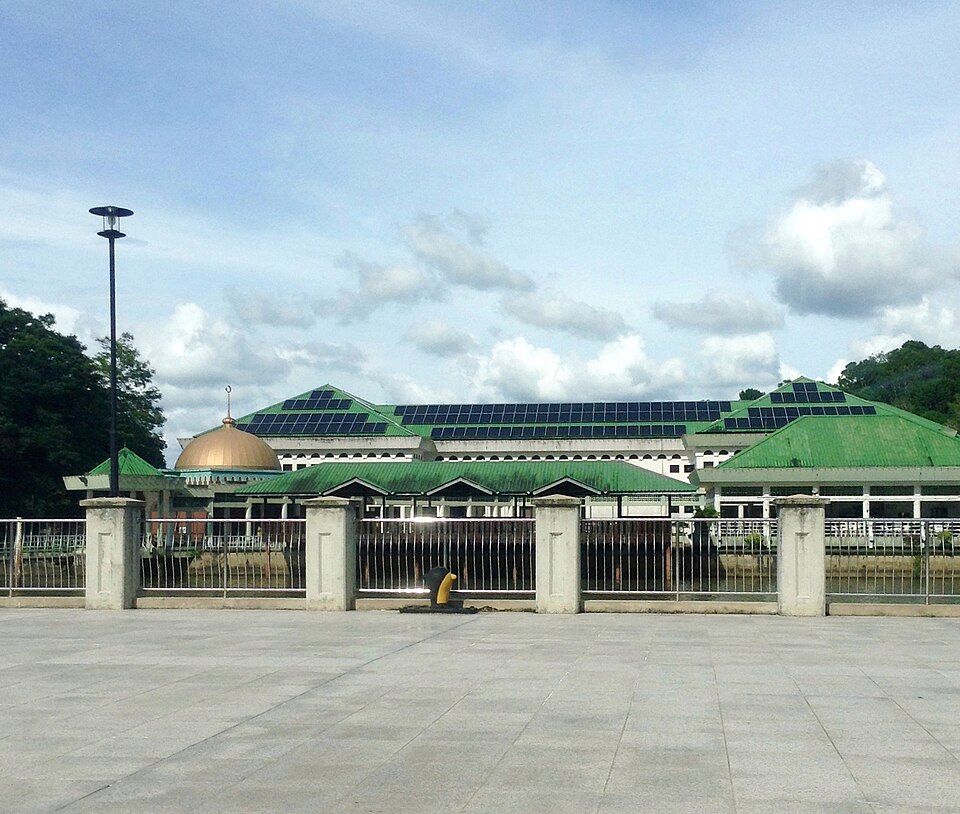 With lush rainforests, a royal palace and an absolute monarchy, Brunei is Southeast Asia’s fourth-smallest country located on the north coast of Borneo. Known for its oil and gas reserves, accounting for around 90% of its exports, Brunei is turning to more renewable and sustainable energy to support its economy in the long term and build economic stability.
The Situation
Although Brunei is considered a high-income country, economic vulnerability still exists because its economy relies heavily on oil and gas. According to the World Bank, Brunei’s unemployment rate was approximately 5.3% in 2023. Brunei does not publish an official national poverty rate, and almost all households have access to electricity, thus there is no largely reported energy poverty rate. However, dependence on oil and gas leaves the country’s economy vulnerable to fluctuations in global energy prices, making economic diversification more and more important.
Although Brunei has one of the highest incomes in Southeast Asia, poverty and economic vulnerability still exist for some households due to the country’s heavy dependence on oil and gas. According to the World Bank, Brunei’s unemployment rate was about 4.9% in 2023, while fluctuations in global energy markets create long-term economic uncertainty. Expanding renewable energy in Brunei can help create a more diverse economy, improve employment opportunities and strengthen long-term economic stability.
Although renewable energy sources such as solar and wind energy are mostly known for their environmental benefits, transitioning to renewable energy also helps alleviate poverty by diversifying economies, lowering energy costs and creating more job opportunities. The Energy Transition Division is advancing renewable energy in Brunei, which is leading the country’s shift toward cleaner energy.
Brunei’s renewable energy plans include solar energy projects, new national climate goals and renewable energy targets to support a more sustainable future. The government, through the Energy Transition Division, aims for 30% renewable electricity generation by 2035. One major initiative is the Temburong Smart City, launched as part of Brunei’s Smart Nation vision. The project combines solar power, smart grids and energy-efficient technology to improve sustainability while supporting economic development.
The Benefits
- Creates New Jobs: Renewable energy efforts create jobs that provide stable incomes for workers in future industries. Some ways renewable energy in Brunei helps alleviate poverty are through creating jobs such as solar installers, engineers, construction workers, maintenance workers, technicians and other green industry careers, according to the United Nations. Brunei’s growing solar industry, including projects such as the Tenaga Suria Brunei solar power plant and new large-scale solar developments, requires engineers, technicians, maintenance workers and construction workers while supporting the country’s long-term energy transition.
- Diversifies Brunei’s Economy: Increased use of renewable energy also helps alleviate poverty in Brunei by diversifying its economy. For decades, Brunei’s economy has relied heavily on oil and natural gas, making it vulnerable to changes in global energy prices. By investing in renewable energy, the country is creating new industries while encouraging investment in clean technology and innovation. A more diversified economy supports greater long-term employment and protects citizens from fluctuations in fossil fuel markets.
- Lowers Energy Costs: The third way renewable energy decreases poverty in Brunei is by lowering the cost of energy over time. Although Brunei currently subsidizes electricity prices through its oil and gas revenues, renewable energy can reduce long-term electricity generation costs while helping the country rely less on fossil fuels.
- Improves Rural Communities: The fourth and final way poverty is reduced in Brunei through renewable energy is by improving rural communities. One example is the Temburong Smart City initiative, which supports cleaner energy, smart infrastructure and sustainable development in one of Brunei’s most rural districts. The project aims to improve energy efficiency, increase the use of renewable energy and create better opportunities for businesses and residents while supporting long-term economic growth. Off-grid renewable energy also provides reliable electricity, improved education, better healthcare access and greater opportunities for small businesses according to ScienceDirect.
What Does This Mean for Brunei’s Future?
Although Brunei’s heavy reliance on oil and gas, along with renewable energy’s currently small share of electricity generation, presents challenges during the country’s energy transition, the benefits of expanding renewable energy and its growing number of successful projects outweigh these obstacles.
Brunei’s transition toward renewable energy in Brunei creates more than a greener future. It creates jobs, strengthens and diversifies the economy, provides long-term opportunities for rural communities and helps reduce poverty. As Brunei continues investing in clean energy, the country is building a stronger, more sustainable and more prosperous future.
– Kayla Moore
Kayla Moore is based in Lake Forest, Illinois, USA and focuses on Good News and Celebs for The Borgen Project.
Photo: Wikimedia Commons
