How Solar Energy in Malawi Is Creating Economic Opportunity
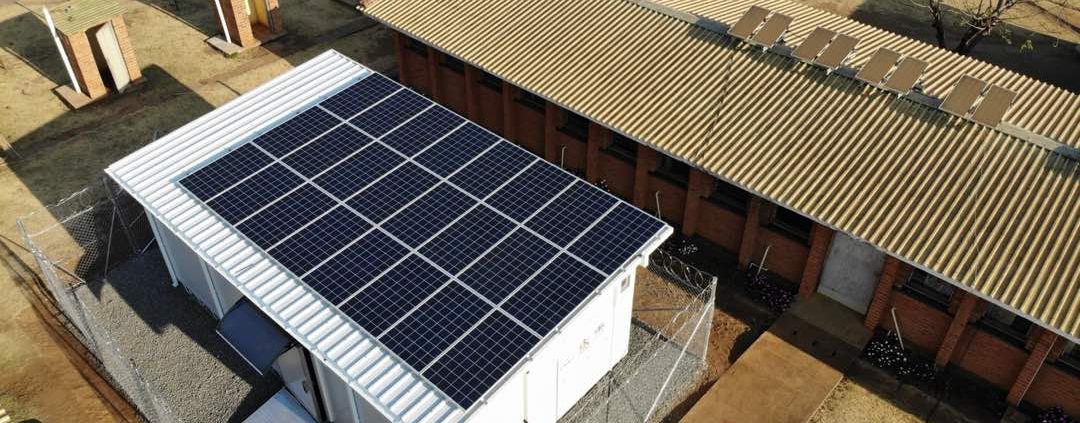 Reliable electricity can transform a community by creating new business opportunities and improving access to essential services. Across Malawi, government agencies and international organizations are using solar energy and expanded electricity access to help reduce poverty and strengthen local economies.
Expanding Electricity Access
Malawi has made significant progress in expanding electricity access, yet many rural communities still rely on traditional energy sources. According to the International Energy Agency (IEA), increasing access to reliable and affordable electricity remains essential for supporting economic development and reducing poverty across the country.
The Government of Malawi has prioritized universal energy access through national policies that encourage investment in renewable energy and off-grid solutions. The Ministry of Energy works with development partners and private companies to expand electricity access while promoting sustainable economic growth and greater resilience for rural communities.
Major Initiatives
One of the country’s largest initiatives, the Malawi Electricity Access Project (MEAP), brought together the Government of Malawi, the Electricity Supply Corporation of Malawi (ESCOM), and the World Bank to expand both national grid connections and solar home systems. The project exceeded its original goals, providing electricity access to nearly 2 million people and supporting the installation of nearly 257,000 solar home systems.
Solar energy has also created new economic opportunities through the Off-Grid Market Development fund, known locally as the Ngwee Ngwee Ngwee fund. The initiative has partnered with private solar companies to make renewable energy systems more affordable for low-income households and reached its initial goal of electrifying 200,000 households ahead of schedule. The program helps families and small businesses benefit from reliable electricity without waiting for national grid expansion.
Entrepreneurial Opportunities
Reliable electricity creates opportunities for entrepreneurship by allowing businesses to extend operating hours and adopt new technologies. Sustainable Energy for All (SEforALL) identifies decentralized renewable energy as a key driver of inclusive economic growth, particularly in rural communities where access to affordable electricity can support small enterprises and create new sources of income.
Women have also benefited from expanded energy access. According to the World Bank, female-headed households received 41% of the off-grid solar systems distributed through MEAP, exceeding the project’s original gender target. Access to electricity has enabled many women to establish phone-charging businesses and other small enterprises that generate additional household income.
Future Projects
Malawi continues to build on this progress through the Accelerating Sustainable and Clean Energy Access Transformation (ASCENT) project. ESCOM and the Government of Malawi are implementing the initiative with World Bank support to increase national electricity access from 25.9% to 50% by 2030 while expanding clean and affordable energy solutions for households and businesses.
Solar energy is doing more than powering homes across Malawi. Investments from the Government of Malawi, the World Bank, ESCOM, SEforALL, and private-sector partners are creating opportunities for entrepreneurs and helping improve quality of life. As renewable energy initiatives continue to expand, Malawi is building a more sustainable future where greater electricity access can help reduce poverty and support long-term economic growth.
– Archie Monton-Black
Archie is based in Bedford, UK and focuses on Business and Technology for The Borgen Project.
Photo: Rawpixel
