USAID Programs in Mauritania
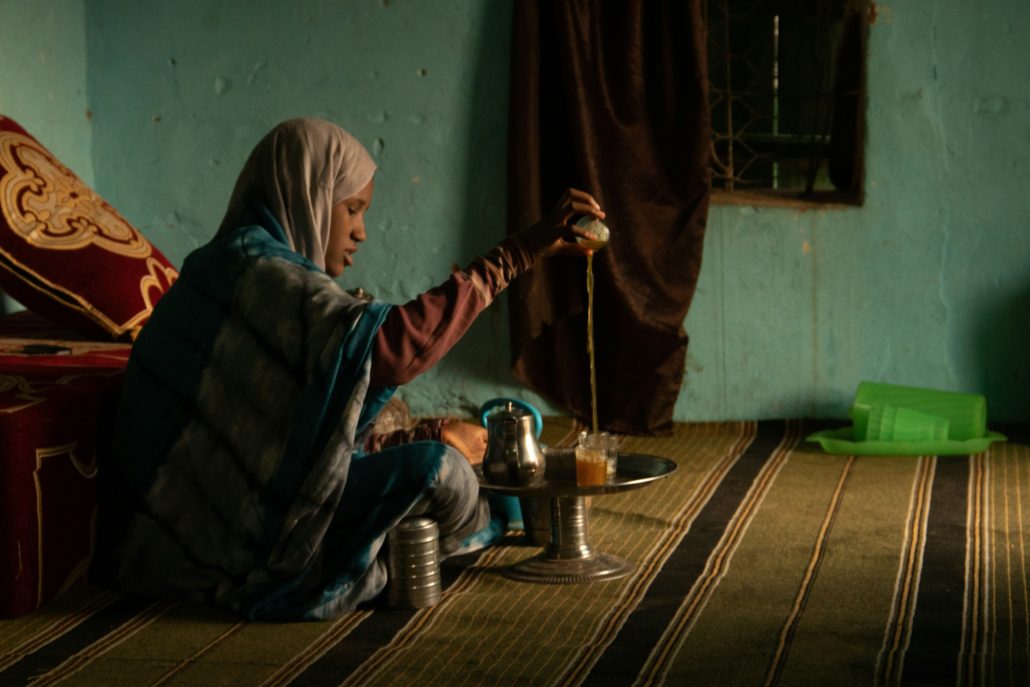 Mauritania in West Africa is one of the most arid countries on earth. Recurrent droughts push communities into food insecurity and only a fraction of the land is suitable for farming. For rural populations in regions like Guidimaka, simply growing enough food to survive the dry season is a daily struggle. USAID programs in Mauritania worked to change that, through emergency relief, but also by investing in youth employment and good governance programs to increase the capacity of Mauritania to sustain itself. Following the dismantling of USAID in 2025, much of that work now faces an uncertain future. Understanding what these programs achieved matters, as a record of progress and as a reminder of what is at stake.
Mauritania is a vast nation of approximately 5.3 million people in West Africa. Only 0.4% of its land is suitable for agriculture and more than 590,000 people face acute malnutrition during the 2025 lean season alone. Instability in neighboring countries has also deepened the crisis. In addition, Mauritania now hosts 288,000 refugees. This has placed additional pressure on already stretched food and resource supplies.
Feeding Refugees at Mbera Camp
In February 2024, USAID’s Bureau of Humanitarian Assistance contributed $5 million to the World Food Programme (WFP) to deliver urgent relief to Malian refugees at the Mbera camp in eastern Mauritania. This aid reached 65,000 food-insecure refugees through cash assistance, while 4,000 malnourished children under the age of 5 and 350 pregnant and breastfeeding women received more specialized, nutritious care.
The results from previous years demonstrate what these investments can achieve. In 2023, WFP reached around 83,400 refugees in the camp with monthly cash distributions, supported by USAID and other donors. Following cuts to USAID, the United States government is still providing food aid through the WFP, meaning these vulnerable communities will still be receiving support.
Investing in Young People
According to UNESCO, “more than 60% of Mauritania’s population is under 25.” Youth unemployment among 15 to 24-year-olds stands at an estimated 23%. USAID’s Nafoore initiative, meaning “add value” in the Fulani language, tackled this directly. The five-year $17 million program, which began in 2022, focused on building economic skills and expanding income opportunities for people aged 15-29 in vulnerable communities.
Alongside Nafoore, USAID also funded the Tamkeen project, meaning “empowerment” in Arabic. This is a $7 million, five-year initiative implemented by FHI 360, a global nonprofit organization aimed at improving public health and human development. Tamkeen built networks of youth and community groups across eight regions of Mauritania, created safe spaces for young people to develop leadership skills and worked to counter the spread of disinformation. Altogether, these two programs represented a serious, long-term investment aimed at improving the country’s next generation.
Strengthening Democracy
USAID programs also supported efforts to strengthen democratic institutions in Mauritania. The Kofo Sugande project, meaning “People’s Choice,” was funded by USAID and implemented by the International Foundation for Electoral Systems. This project supported Mauritania’s national electoral commission ahead of its 2023 general elections and the 2024 presidential election, making both more inclusive and accessible to voters. Its long-term aim was to strengthen Mauritania’s capacity to run credible elections independently.
The Cost of Losing This Support
The breadth of USAID programs in Mauritania, spanning emergency relief, food security, youth empowerment, civic engagement and democratic governance, shows how interconnected all of these programs were. Each addressed a different root cause of poverty and instability, and they all reinforced each other.
In 2025, the dismantling of USAID brought many of these programs to a halt. For a country like Mauritania, where the need is acute and homegrown resources are limited, the consequences are serious. The progress made at Mbera camp, in youth centers across different regions and in electoral commissions across the country did not happen by accident. It was the result of consistent, targeted support. Without it, the communities that relied on these programs will be left more exposed and vulnerable than before. Thankfully, through the WFP the U.S. government will still provide food aid to Mauritania, helping those facing food insecurity and malnutrition.
– Gonzalo Rodriguez Da Fonte Martins
Gonzalo is based in London, UK and focuses on Global Health and Politics for The Borgen Project.
Photo: Unsplash
