Everything To Know About Hunger in Sri Lanka
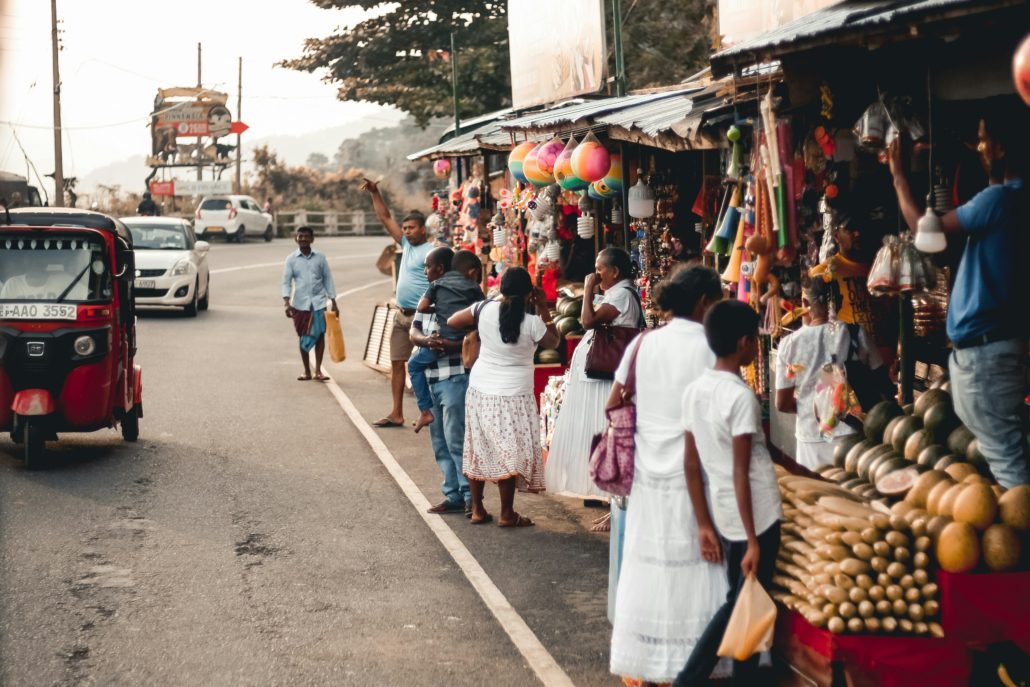 Sri Lanka is a small island in the Indian Ocean with a population of 23.3 million. Of these residents, 7.4% are malnourished, and the country currently holds a “moderate” rating on the Global Hunger Index (2025). Many of the hunger issues in Sri Lanka stem from environmental and climate-related challenges. Programs like the ENOUGH campaign are advocating for change and seeking practical solutions to address this crisis. Below are more details about hunger in Sri Lanka and potential ways to help.
Reasons for Hunger in Sri Lanka
Understanding hunger in Sri Lanka arises from the country’s location and the local living conditions. Agriculture is one of the main sources of employment in the country, and the country depends heavily on the harvesting of crops as the industry contributes 6.9% of the GDP of the country. This heavy reliance on agriculture makes the country vulnerable to severe weather that can damage crops. Rainfall in Sri Lanka varies drastically, ranging from 1,000 millimeters to 5,000 millimeters depending on the area. Floods and landslides cause crops to break down or be completely flooded.
In 2025, Cyclone Ditwah – a tropical cyclone that hit Sri Lanka in November 2025 – caused a devastating impact on both local households and the agricultural system. The rainwater buried vegetables such as paddy, and the income of farmers as well as other residents decreased. Prices of agricultural products increased due to a decrease in quantity, causing hunger in more households. Fortunately, the country stored available food sources immediately and provided soft loans to farmers who were having difficulties recovering their land from the crisis.
Lack of imported goods and price inflation also contribute to hunger in the country. Within the total caloric consumption in the country, 22% comes from imported goods. Some agricultural products, such as wheat, do not grow in Sri Lanka due to the soil conditions. The shortage of foreign exchange limits the country’s ability to import food, which causes a deficiency in food storage in Sri Lanka.
These disadvantages force locals to rely on a bland diet. This diet causes many to suffer from malnutrition, and also acts as a barrier to children’s physical development.
Reduction of Hunger in Recent Years
Despite the unavoidable environmental damages, improvements are happening in Sri Lanka, and significantly fewer people are suffering from hunger every year. In 2025, the population that is “in moderate acute food insecurity” has decreased by 15% as of last year, and this is thanks to the World Food Programme (WFP) and other organizations.
WFP assisted international governments in providing food rations to 1.2 million children during the COVID-19 pandemic. Some students from low-income families depend on the school meals provided during lunch. To address this issue, the government of Canada redirected $200,000 USD to assist Sri Lanka in providing rations for children during the pandemic.
Farmers are also taking scientific measures to resist the harsh weather conditions. Scientists are developing climate-smart agriculture by testing flood-tolerant crop varieties. Canals and reservoirs are also being built to promote water management and to ensure water distribution and control.
Looking Towards the Future
While challenges remain, the government as well as locals are making a lot of progress to support the hunger crisis in Sri Lanka. Resolving the situation depends on developing new varieties of crops against the disadvantaged growing conditions. The nation continues to have support from the government and other nations, and it continues to make important progress in sustaining sufficient food for locals, the population suffering from hunger in Sri Lanka could be greatly reduced.
– Jiayu Wang
Jiayu is based in Beijing, China and focuses on Good News and Global Health for The Borgen Project.
Photo: Unsplash
