Child Welfare Initiatives in East Africa
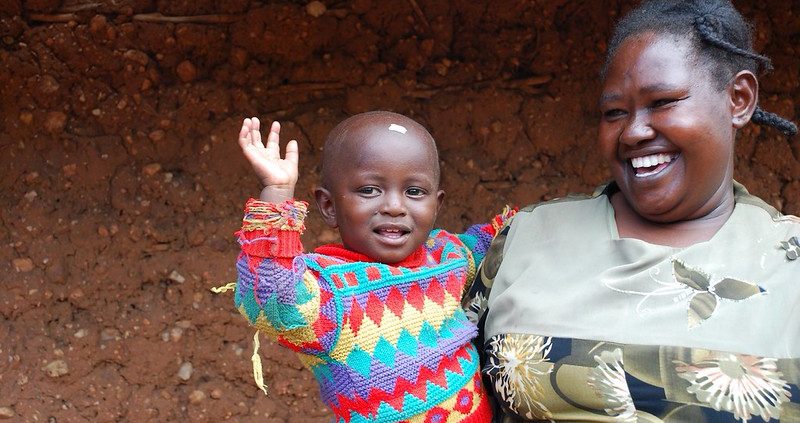 Children in East Africa face numerous challenges, including poverty, separation from families and limited access to education. According to the United Nations Children’s Fund (UNICEF), two out of three children in the region are affected by poverty, which can have lifelong consequences. Children who grow up in deprivation are more likely to experience poor educational outcomes and limited opportunities, creating a vicious cycle of poverty across generations. To combat this cycle, governments and organizations across East Africa are implementing a range of child welfare initiatives, which include deinstitutionalization efforts that reduce reliance on orphanages, community-based child protection programs and education support for vulnerable children.
Deinstitutionalization Efforts
The number of children growing up in institutional care remains a problem across East Africa. In Kenya alone, it is estimated that 30 to 45% of orphans end up in institutions, leaving them vulnerable, especially as child abuse in care homes is six times higher than in a normal family environment. In Kenya, children account for 50% of the country’s population.
Growing up in care can impact children psychologically and socially. They have a higher risk of being homeless and a lack of educational and employment opportunities, creating a cycle of poverty. To address these challenges, Transform Alliance Africa works with governments in East Africa to improve child welfare systems across the region. In Kenya, they have assisted in creating guidelines for Alternative Family Care, meaning children are raised in a safe and nurturing home. In Rwanda, the organization trained 75 professionals, including social workers and psychologists who can help orphaned children.
Community-Based Child Protection Programs
Community-based child protection programs are most effective when local communities identify risks and actively support vulnerable families. In Uganda, reports show that around 700 child abuse cases are reported every three months and 56% of children are living in poverty. Addressing this issue, Save the Children Uganda has trained 13 social welfare officers and over 700 para-social workers to support vulnerable children within the country. These trained community workers help identify children at risk and intervene before situations escalate into abuse or neglect. In 2024, the organization helped over 78,000 children in Uganda, demonstrating how child welfare initiatives in East Africa are helping to create safer environments for vulnerable children.
Education for Vulnerable Children
Access to education remains a challenge for many children across East Africa, particularly in Ethiopia, where UNICEF reports that 90% of 10-year-olds cannot read or write. This poses many challenges to the children as they grow older, as limited access to education can reduce employment opportunities and increase the risk of poverty in adulthood. With the help of the Ministry of Education, UNICEF is strengthening the school curriculum, which, in turn, will help over 26 million children. Along with this, a World Bank program called AIM4LEARNING is aiming to introduce technology to enhance education and fund basic education across East Africa. The program will be implemented over 10 years and the first phase will focus on Ethiopia and Comoros. Together, these programs highlight how child welfare initiatives in East Africa are giving young people access to opportunities that can break the cycle of poverty, improving long-term outcomes for vulnerable children.
Looking Ahead
Although children in East Africa continue to face challenges such as poverty, separation from family and limited access to education, organizations are working to improve outcomes through various programs in the region. From promoting deinstitutionalization, strengthening community programs and improving the education systems, these efforts are helping vulnerable children build a future. As these child welfare initiatives in East Africa continue to grow, they have the potential to break poverty cycles and create lasting changes.
– Emma Wheeler
Emma is based in Valencia, Spain and focuses on Good News and Global Health for The Borgen Project.
Photo: Flickr
