How Hydroponic Farming in Grenada Can Increase Food Security
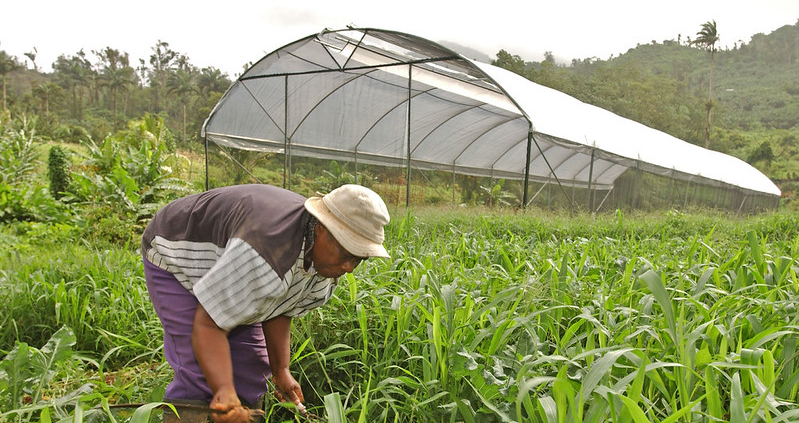 As a small island nation in the Caribbean, Grenada faces challenges with food security and production due to extreme weather events, climate challenges and soil degradation. Extended periods of drought, rising temperatures and Hurricane Beryl in 2024 have further exacerbated these struggles, causing Grenada to import about 70% of its consumed food. Additionally, the agricultural sector comprises 24% of the country’s workforce, meaning difficulties in production affect both food security and poverty simultaneously. Recently, the Food and Agriculture Organization (FAO) and Green Climate Fund began a readiness project to establish systems for hydroponic farming in Grenada. These systems will primarily benefit local farmers by providing them with an efficient and less weather-dependent cultivation method.
Need for Alternative Farming
Grenada’s traditional cultivation methods remain under constant stress. In 2024, Hurricane Beryl, a Category 4 storm at the time of landing, destroyed many buildings on the islands of Carriacou and Petite Martinique, including agricultural infrastructure. The yearly dry season from January to May often brings extended droughts, leading to water shortages and groundwater depletion. Increased global temperatures have created advantageous conditions for pests that endanger crops. The inconsistency of Grenada’s rainfall has caused soil degradation. All of these factors necessitate a new system, specifically addressing cultivation with limited soil, space and water.
Why Hydroponics?
Hydroponic farming in Grenada is a viable solution because it offers stability through covered structures, a reduction of soil-borne pests, efficiency of space and reduced water usage. Compared to traditional methods, hydroponic farming uses up to 90% less water. Additionally, farmers can grow crops inside or under cover, using steadily flowing nutrient-rich water rather than soil. Hydroponic systems are also relatively low maintenance and require less physical exertion, as there is no need to till the soil. These factors create a controlled system free of inconsistencies in rainfall and extreme temperatures. Hydroponic farming is also compatible with many fast-growing, edible crops such as lettuce, tomatoes, peppers, spinach and kale.
However, the system does have limitations. Upfront costs can be high, as effective systems require a greenhouse, hydroponic system, solar pump and access to electricity. Also, the process relies on a precise flow of water that must be balanced and adjusted over time, so farmers new to hydroponics will need training before managing their own systems. The FAO addressed these concerns by providing local farmers with all of the necessary equipment and training, as well as solar panels to reduce electricity costs. With a concerted effort from the Grenadian government, alongside outside aid, hydroponic farming in Grenada could become a widespread success, particularly for small family farms.
Looking Ahead
In March 2026, Reach Within, a local charity in Grenada, announced it had received funding from Irish Aid to build one hydroponic technology system for training Grenadian youth in food production. Fork Farms, a hydroponic technology company in the Caribbean, will provide the equipment. Fork Farms has also provided hydroponic technology to Barbados, Anguilla and the Cayman Islands through the Caribbean Climate-Smart Accelerator. Reach Within will give 30 children the opportunity to learn job and life skills centered around hydroponic farming in Grenada. As the FAO begins assisting local farmers in building their own systems, this project will provide valuable skills that could alter the future of Grenada’s food production.
– Josh Megson
Josh is based in Albemarle, NC, USA and focuses on Technology and Solutions for The Borgen Project.
Photo: Flickr
