4 Key Facts About Mental Health in Nicaragua
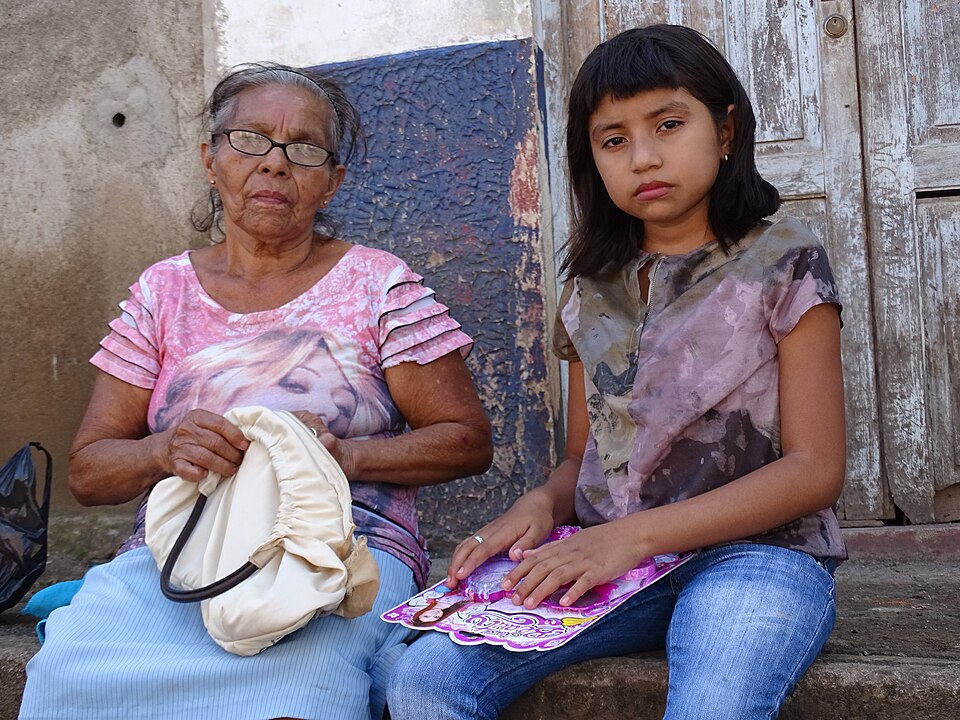 Mental health struggles in Nicaragua are largely unobserved and underreported. Discussions surrounding public health issues, poverty-stricken communities, limited infrastructure and unequal access to care are far from the limelight. Global attention surrounding the mental health crisis has risen in recent years.
Yet Nicaragua faces significant barriers that prevent its citizens from receiving adequate care and support. Understanding mental health in Nicaragua requires examining both economic conditions and the healthcare system that serves the population.
Mental Health Struggles and Poverty Have a Close Link
Mental health in Nicaragua is closely linked to poverty, with about 25% of the population living in poverty, according to the World Food Program (WFP). Individuals in Nicaragua are exposed to stressors like food insecurity, economic instability and limited access to basic services for survival. These socioeconomic pressures lead to lifelong struggles and psychological distress.
Addressing the mental health struggles linked to life in Nicaragua’s economy is complicated by financial hardship and limited access to care.
Not Enough Mental Health Professionals Are Available
According to the World Health Organization (WHO), Nicaragua has approximately 610 mental health workers nationwide, including psychologists, psychiatrists and psychiatric nurses. There is only one mental health facility in the whole country, which is located in Managua, called Hospital Psiquiátrico Nacional. Fewer mental health resources and access to care mean an insufficient amount of treatment and awareness.
Mental health issues are not as prioritized as other health problems, leaving people untreated and without support.
Based on the WHO-AIMS evaluation data reported for Nicaragua (circa 2004), the government allocated about 1% of the overall health budget to mental health. The lack of attention and investments leads to minimal resources for the institutions already established. It creates growing concern for mental illnesses left untreated.
Due to Nicaragua’s political instability and recurring natural disasters, mental health care is often not prioritized. These challenges contribute to poor mental health outcomes, yet according to research published in Global Health Action, fewer than 25% of the population receive treatment.
Stigma, high costs of care, a limited number of trained professionals and a lack of services and facilities all contribute to the ongoing crisis in mental health and create significant barriers. While national efforts to address mental health needs represent progress, the primary challenge lies in how effectively funds are allocated.
Final Remarks
Mental health care in Nicaragua faces significant challenges due to underreporting, limited resources and widespread poverty, all of which restrict access to treatment. While developed countries are placing greater emphasis on mental health, developing nations like Nicaragua continue to face financial and political barriers that limit adequate care for citizens. In response to these challenges, Doctors Without Borders (MSF) returned to Nicaragua in 2018 to provide psychosocial support.
The organization assisted people experiencing anxiety, adjustment disorders and post-traumatic stress after witnessing or enduring violence linked to civil and political unrest.
– Suheiry Frayre
Suheiry is based in Los Angeles, CA, USA and focuses on Global Health for The Borgen Project.
Photo: Wikimedia Commons
