Gender Wage Gap in Tanzania: Beyond the Hourly Rate
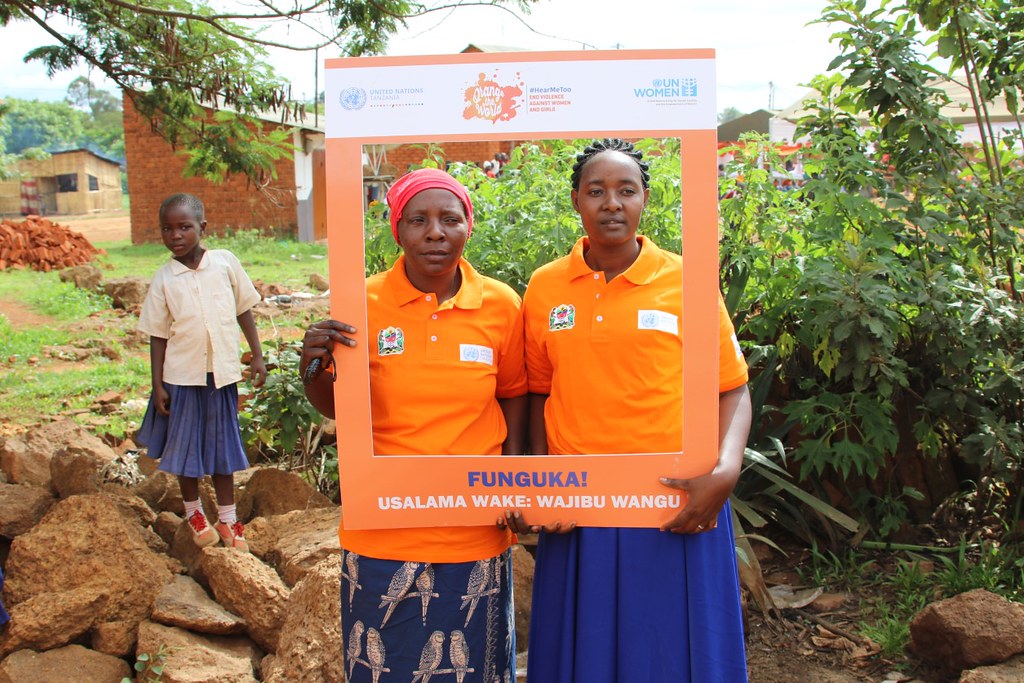 Tanzania has made some notable progress toward gender equality, including the inauguration of its first female president in 2021 and women holding 37.4% of parliamentary seats. Yet the gender wage gap in Tanzania tells a more complicated story when researchers examine labor market data from a recent Integrated Labour Force Survey.
Small Pay Gap, Large Employment Gap
At first glance, Tanzania appears close to achieving pay equality. The unadjusted gender wage gap stands at just 2.9% at the hourly level, which economists consider too small to hold meaningful economic significance. On a monthly basis, women actually earn 4% less than men. However, these figures hide major differences in employment patterns between men and women.
Across every age group, women work fewer paid hours than men. Among employed workers, 33.4% of women work part-time compared to 17.3% of men. In other words, while women who secure paid employment tend to earn roughly the same hourly wages as men, they are less likely to work the same number of hours.
The broader employment picture shows an even more significant gap. Women’s employment rate is 75.5%, compared to 84.6% for men. Meanwhile, unemployment among women reaches 12.7% under Tanzania’s national definition; more than double the 5.8% rate for men.
Unpaid Care Work and Poverty
One of the biggest barriers affecting the gender wage gap in Tanzania is unpaid domestic and care work. Women spend an average of 4.6 hours each day on unpaid care and household responsibilities, compared to men who spend only 1.2 hours. This means women shoulder nearly four times the unpaid care burden.
That imbalance has direct economic consequences, contributing to the higher poverty rates among women. In urban Tanzania, female-headed households face a 20% poverty rate compared to 14% for male-headed households. Women who cannot commit to full-time paid work often move in and out of informal employment as well, where workers typically lack social protection, paid leave and job security. In non-agricultural sectors, 93.8% of employed women work informally, compared to 86.6% of men.
Occupational Segregation and Informality
Women and men also remain concentrated in different sectors of the economy. The Duncan Segregation Index estimates that roughly 30% of workers would need to change sectors to create equal employment distribution between men and women.
Women are more likely to work in care-related fields such as education, health and household services, while men dominate sectors including manufacturing, construction and transport. Women also face barriers to advancement within these occupations, as they hold only 27.9% of senior and middle management positions. Another area of vulnerability is contributing to family work. Nearly 40% of employed women work as contributing family members—unpaid workers assisting on family farms or businesses—compared to 18% of men. In rural areas, the figure rises to nearly 51% of employed women.
Progress and Solutions Underway
When researchers consider factors such as age, marital status, education, occupation and sector, the adjusted gender pay gap becomes statistically insignificant. This suggests that differences in working hours and occupational segregation, rather than direct wage discrimination, account for most of the observed gap. These are areas where policy interventions can make a measurable difference in reducing the gender wage gap in Tanzania.
Tanzania has already introduced laws addressing sexual harassment and gender discrimination, while also providing maternity and paternity benefits. The country has also ratified the ILO Equal Remuneration Convention, which mandates equal pay for men and women for work of equal value. Together, these legal protections create a framework for equal treatment in the workplace. Financial inclusion remains another key area of focus. Expanding women’s access to banking and financial tools will help more women start businesses, manage financial risks and build long-term economic independence.
In December 2024, the World Bank signed a $104 million agreement supporting the Pamoja Project. This is an initiative that aims to directly benefit nearly 320,000 women by expanding economic opportunities and strengthening services that prevent and respond to gender-based violence.
The World Bank also continues to work with Tanzania on implementation frameworks designed to turn legal protections into measurable outcomes. As the UN Women brief notes, collecting better data at more frequent intervals would improve understanding of the gender wage gap and would help policymakers shape more effective policies.
Looking Ahead
Reducing the unpaid care burden, expanding women’s access to formal employment and enforcing equal pay protections remain key to closing the gender wage gap in Tanzania. With recent legal reforms, financial inclusion initiatives and targeted projects like the Pamoja Project, these goals are becoming more realistic with each passing year.
– Camila Correch
Camila is based in Orangeville, Ontario, Canada and focuses on Good News and Politics for The Borgen Project.
Photo: Flickr
