The Story Behind India’s Midday Meal Scheme
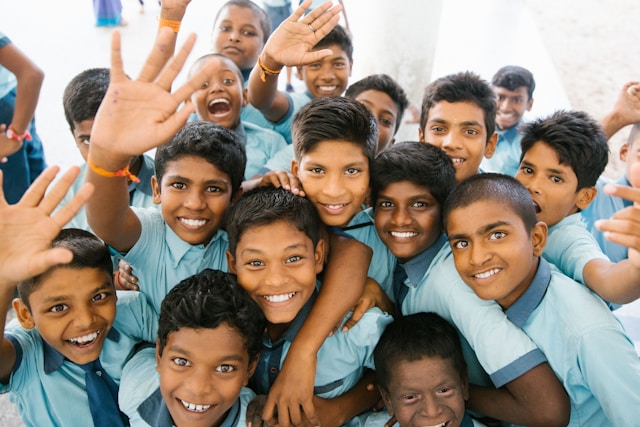 India’s Midday Meal Scheme, launched in 1995, is one of the most impactful social welfare programs in the world. The scheme covers more than 110 million children every day. In 2001, the Supreme Court of India issued a directive requiring states to provide school lunches or “midday meals,” in primary government schools.
States like Tamil Nadu, Gujarat, Andhra Pradesh and Karnataka have implemented strict measures to ensure students have access to healthy food. The scheme provides free, freshly cooked meals to children in government and government-aided schools. The Akshaya Patra Foundation reports, “The Government of Karnataka was the first state government to involve NGOs in providing midday meals to school children in India.”
The Nutritional Impact of the Scheme
Hunger acts as a significant barrier to education, primarily among children from low-income families. Sometimes, the meal provided by the scheme is the only nutritious meal children receive in a day. The program has been working to improve children’s health.
According to Dhristhi IAS, “India is home to about 30% of the world’s stunted children.” The scheme aims to reduce stunting and improve child growth. The nutritional gains from the meals significantly improve learning outcomes. Better nutrition also enhances other cognitive skills, such as attention span, participation and concentration.
In addition, school enrollment and attendance rates have increased by 16–19 percentage points after the enforcement of midday meals. Families often face the decision of whether to send their children to school due to economic constraints. The Midday Meal Scheme helps address these problems and reduces the financial burden of feeding their children and covering education costs.
How It Changes Lives for Women
Aside from financial costs and hunger, another notable achievement of this scheme is gender equality. According to a study published in ScienceDirect, “The analysis found the effect of the midday meal program on girls to be almost twice its effect on boys for primary school enrollment.” Historically, communities have existed where girls’ desire for education and public roles has been undervalued.
One of the biggest factors is social and economic. This scheme creates an incentive for families to send their daughters to school. It provides girls with access and reduces gender gaps in areas such as education and literacy. In the long run, girls in low-income communities have the opportunity to pursue their education.
Similar to its impact on youth, the Midday Meal Scheme has also contributed to women’s empowerment. Historically, women have been prevented from participating in the economy and from establishing themselves in their communities. However, through the scheme, women are given jobs as assistants and cooks.
This gives them the chance to provide their households with a stable income and to independently control their finances.
Future of the Scheme
In 2021, the government rebranded the Midday Meal Scheme to Pradhan Mantri Poshan Shakti. With this new name comes a heavier focus on nutrients for students. The new scheme aims to integrate local and seasonal produce and also introduces new, healthier options like fortified rice. According to MicroSave Consulting, the scheme uses the Automated Monitoring System to prevent mishaps and track the number of meals provided.
India’s Midday Meal Scheme has made a huge impact and is a key part of India’s development. With more attention, it can cover millions more children in other states.
– Hasini Muddapu
Hasini is based in Princeton, NJ, USA and focuses on Good News for The Borgen Project.
Photo: Unsplash
