AguaClara: Clean Water in Honduras and Beyond
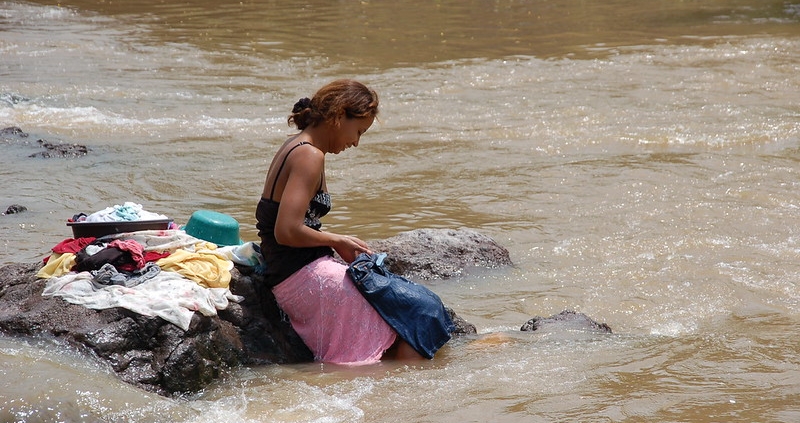 In 2010, the United Nations (U.N.) General Assembly officially declared access to water a human right. Nonprofit organization AguaClara Reach has been working with water technologies since 2005. Dr. Monroe Weber-Shirk created the program to implement water treatment plants in lower-income areas. Since then, AguaClara Reach has helped more than 100,000 people gain access to clean, safe water. Founded in Honduras, the program has expanded its work and now operates 26 water treatment plants across Central America and India, each working to reduce poverty through clean water.
The Link Between Lack of Safe Water and Poverty
Lack of access to safe water not only reflects poverty but also drives it. Without safe water, economic opportunity is limited, and communities face cycles of illness, lost productivity and time spent locating water sources. The World Bank classifies India and Honduras, the primary beneficiaries of AguaClara’s projects, as lower-middle-income countries. Both countries experience large inequalities of wealth. In Honduras, the poverty rate was 62.90% as of 2024, based on the national poverty line. While data for poverty at the national level is unavailable for India, the World Bank reports that in 2022, the poverty rate at $3 a day was 5.25%. Initiatives like AguaClara play a role in helping to reduce poverty through clean water.
The Consequences of Unsafe Water
With a large proportion of Hondurans living in poverty, an estimated 2.7 million do not have access to safe drinking water. The World Health Organization (WHO) identifies waterborne diseases as a primary cause of child mortality. The National Survey of Demography and Health shows that only 50% of households in Honduras have access to E. coli-free water, with rural and low-income communities particularly affected.
Conditions in India are similar. As of 2025, 91 million people in India had no guaranteed way of securing clean water sources. Waterborne diseases in India resulted in an estimated 11,728 deaths from 2014 to 2018. Unsafe water also deepens poverty, with waterborne diseases costing the country around $600 million each year.
AguaClara’s Community-Led Mission
According to AguaClara Reach, the organization advances global access to safe drinking water through community-scale, gravity-powered water treatment technologies, capacity building with local implementation partners and research and education with university partners.
To sustainably reduce poverty through clean water access, AguaClara Reach implements its technologies with the community in mind. Its method relies on an understanding of the political and social context of each project area to support a long-term solution.
Since 2008, the AguaClara plant in Tamara, Honduras, has provided locals with clean and safe water. Each household pays a $5 tariff, allowing the water board to continuously upgrade water infrastructure. The community accepts this fee on the basis that access to reliable water eases financial pressure. Improvements made by the Tamara water board include an expanded storage tank, the use of stacked rapid sand filters and a self-cleaning clarifier. In Tamara, AguaClara technology has improved the quality of life and will continue to do so as the equipment evolves.
Looking Ahead
Efforts to improve access to clean, safe water continue across developing nations. The work of AguaClara Reach offers one model for addressing this challenge, with measurable impact across communities in Central America and India. As the organization expands its reach, its community-led approach provides a path forward to reduce poverty through clean water.
– Polly Laws
Polly is based in Cardiff, UK and focuses on Good News and Global Health for The Borgen Project.
Photo: Flickr
