Development of Health Care in Solomon Islands
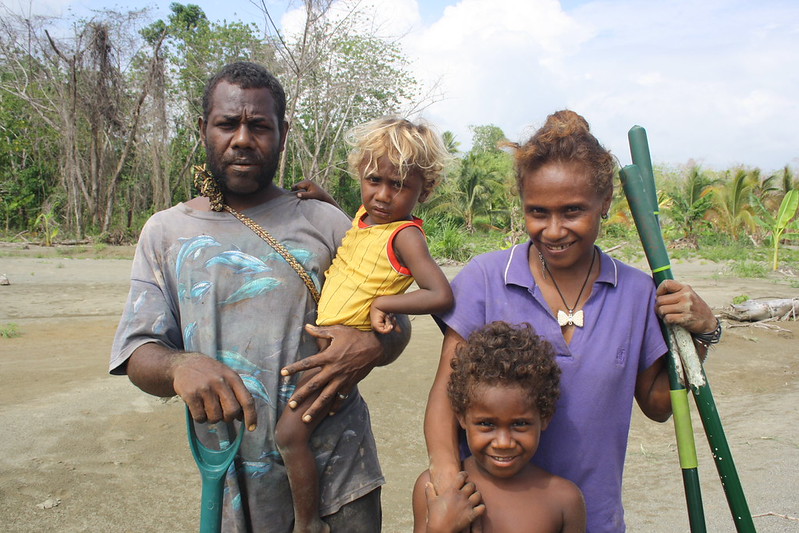 The Solomon Islands is a remote archipelago with a large population of more than 800,000 people. The vast majority of people in the Solomon Islands live in rural areas, which could make access to health care more difficult. As a result, according to the World Health Organization (WHO), the country faces a rise in Non-Communicable Diseases (NCDs), which is the leading cause of death, accounting for 68.2% of deaths. Communicable, maternal, perinatal and nutritional conditions account for 23.6%.
Geographic isolation, natural disasters and systemic gaps such as shortages of medical equipment and staff create major barriers in accessing health care in rural areas. Improving health care in the Solomon Islands is critical for public health and for addressing the broader systemic issues, supporting economic stability and growth.
Konide Area Health Centre
In 2018, the old Konide clinic collapsed due to decades of deterioration and was forced to close. Consequently, rural communities had to rely on small health clinics such as the Susubona Rural Health Clinic, which was far too small to handle the sudden surge in patients. Residents had to travel long distances to Buala Hospital, causing delays in treatment and referrals. These delays often lead to worse health outcomes, causing patients to miss work or school and lose income, increasing the risk of poverty.
In November 2025, the new Konide Area Health Centre opened following an investment of SBD 20.8 million. The opening marked a major expansion of health care in Solomon Islands, as communities now have better access to services such as general clinical services and trauma care, maternal and reproductive health, communicable and non-communicable diseases, community-based health services, and additional support services.
Residents in Konide and nearby communities can now access care closer to home and receive more timely treatment.
The World Bank’s ECHO project
Efforts to improve health care in Solomon Islands also include support from the World Bank through the Engaging Communities to Improve Health Outcomes (ECHO) project. Managed by the Ministry of Health and Medical Services (MHMS), the initiative aims to strengthen essential health systems and improve access to primary health care services across the country.
The ECHO project consists of three components aimed at improving primary health care, which are Strengthening Primary Health Care Services, National Supply Chain Management (SCM) and Project management, monitoring, and stakeholder engagement.
The first component focuses on access to primary health care services with a Community Health Worker (CHW) program, along with climate-resistant infrastructure improvements to Rural Health Centres (RHCs), and the expansion of digital tools for efficient monitoring and reporting. To ensure a steady supply of essential medicines, the second component aims to upgrade the national supply chain through staff training, system improvements, and the construction of a pharmaceutical warehouse in Noro. Lastly, the third component establishes an MHMS-based Project Management Unit (PMU) modelled after COVID-19 response structures. The PMU is responsible for operational oversight, data-driven monitoring, and community engagement. By providing technical support and coordination, it ensures the ECHO project aligns with national health strategies.
Solomon Islands Development Partnership Plan
Australia and the Solomon Islands share a partnership, with Australia serving as the Solomon Islands’ largest development partner. The Australia – Solomon Islands Development Partnership Plan 2024-2029 (DPP) coordinates Australian contributions to support Solomon Islands’ domestic development initiatives and strengthen health care in Solomon Islands. It establishes clear objectives, implementation methods, and monitoring protocols to track progress and ensures Australia’s efforts align with other international development actors to avoid duplication of efforts and maximize impact.
In addition, the DPP also has a primary goal of fostering “A stable and prosperous Solomon Islands” with three objectives. One of their objectives is to invest in people and communities to improve health and education. While another focuses more on improved stability and economic growth as well as infrastructure. This commitment is reflected in Australia’s investment in health care by providing SBD 32.9 million for health services, SBD 9.1 million for crucial medical supplies, completing a scabies mass drug administration program for up to SBD 14.8 million, and fostering four new biomolecular laboratories in Choiseul, Temotu, and Western and Guadalcanal Provinces.
Part of the DPP, in March 2025, the MHMS and the Australian high commissioner launched a health partnership called the “Solomon Islands Australia Health Partnership” investing approximately SBD 150 million until 2028 to promote high-quality health care and access.
The partnership focuses on promoting Provincial Grants including SBD 75 million to provincial health services, National Health Priorities Fund, the Health facility Fund and the Women in Health Leadership Awards, a new initiative to promote gender equity, and to empower women within the health care sector. With provincial funding, communities in rural areas are driven towards increased health care access and leadership that empowers a stronger health system, which all play a role in reducing poverty and other systemic issues. Together, these four key areas are designed to strengthen high-quality health care, enhance services and economic growth.
The Future
In a country with more than 900 islands, the progress of the health system is crucial in addressing health care accessibility and larger systemic issues, such as global poverty. New infrastructure developments such as the Konide Area Health Centre, initiatives from the World Bank, namely the ECHO project, and partnerships from Australia, are creating lasting progress for health care in Solomon Islands. Continued investment and partnerships will strengthen public health, increase economic growth, and advance productivity, which will help the Solomon Islands move closer towards a more sustainable future.
– Bianca P. Gunawan
Bianca is based in Jakarta, Indonesia and focuses on Good News and Global Health for The Borgen Project.
Photo: Flickr
