SDG 3 in Afghanistan: Health Gains and Persistent Barriers
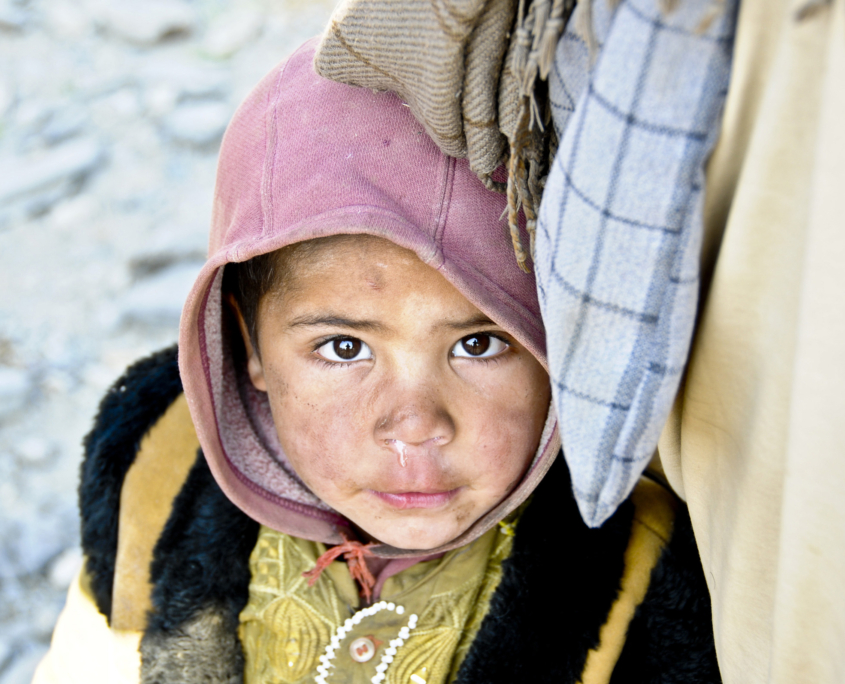 Afghanistan is still struggling to achieve Sustainable Development Goal (SDG) 3, which aims to ensure good health and well-being for everyone. The country scores low on key health indicators and recent reports indicate that millions of people need humanitarian health support due to the system’s heavy strain. Years of conflict, economic problems and less international support have made Afghanistan’s health crisis worse.
In 2024, Human Rights Watch said that big cuts in funding and technical help after the Taliban takeover have badly hurt the health care system, putting millions at higher risk of illness and poor care. These cuts have led to clinic closures and reduced services, leaving families with fewer treatment options. Even so, aid groups have kept some basic care going through emergency programs.
Maternal and Child Health Remain Fragile
Maternal and child health is still one of the most urgent problems for SDG 3 in Afghanistan. Limits on women’s education and work in health care have made it harder to find female health workers. As a result, women and girls face more obstacles to accessing care, especially since many families already have trouble reaching clinics.
In traditional areas, cultural rules mean women often need female providers, but there are even fewer now. This shortage puts women at greater risk during pregnancy and childbirth, when fast care can save lives. In 2025, UNICEF said that 14.3 million people in Afghanistan needed humanitarian health support and 857,000 children under 5 were expected to need treatment for severe malnutrition.
The same report said that in May, more than seven million people got basic health services from UNICEF-supported clinics and mobile teams. These teams go to remote villages to give checkups, vaccines and nutrition support where regular clinics cannot reach. Their work helps improve child health and reduce deaths from preventable illnesses such as diarrhea and respiratory infections.
Aid Groups Address Service Gaps
Humanitarian groups still provide many of Afghanistan’s most important health services. UNICEF-supported clinics and mobile teams have helped families who might not otherwise receive care. Reports show these services are still vital for meeting urgent health needs.
Groups like the World Health Organization (WHO) also supply medicines and train local staff to handle outbreaks and regular care. By focusing on primary health care, these groups help prevent small problems from becoming emergencies. Still, the overall health system is unstable.
A 2025 report warned that closing health centers due to funding cuts has worsened the risks of disease and malnutrition. These shutdowns hit rural areas the hardest, where people already must travel far for care. Aid cannot fully replace public clinics, but it helps fill gaps when there is not enough funding or staff.
Other organizations, such as Médecins Sans Frontières, run hospitals in conflict zones and treat thousands of people for war injuries, infections and childbirth complications. Their teams often work in tents or damaged buildings, showing how aid can adapt to tough conditions. These efforts support SDG 3 by keeping emergency and basic care available when government services cannot.
Disease Prevention Remains Critical
Disease prevention is also an important part of SDG 3 in Afghanistan. UNICEF’s 2025 report found more cases of acute watery diarrhea and warned that Afghanistan is still at high risk for outbreaks. Poor sanitation, hard-to-reach clinics and malnutrition can quickly turn common illnesses into serious emergencies. Weak water systems and crowded living conditions make it easier for diseases like cholera to spread, especially in summer.
Due to these risks, public health work in Afghanistan focuses on both treatment and prevention. Vaccination campaigns, nutrition checks and mobile health services help reduce preventable deaths, especially among children under 5, who are still most at risk. Programs target diseases like measles, polio and pneumonia, which take many young lives each year. Community health workers also teach families about hygiene and warning signs, helping build local skills for lasting improvements.
Mental health support is now another important focus. Conflict and displacement have left many people with trauma and NGOs now offer counseling at community centers. This work supports SDG 3’s broader goal of well-being, as untreated stress can worsen physical health problems.
Concluding Remarks
Progress toward SDG 3 in Afghanistan has been uneven. The Sustainable Development Report 2025 tracks the country’s SDG results and health is still a major concern, even though there have been some small improvements in services. Vaccination rates have stayed steady in some provinces and more children are getting treatment for malnutrition than before. These steps show that targeted aid can make a difference during a crisis.
Even so, the ongoing work of aid groups and health workers offers hope for improvement. Millions of people are getting care through supported clinics, which is crucial in a country with a weak health system. For Afghanistan to achieve SDG 3, these short-term gains need to become a lasting system of care.
Stable funding, more trained female staff and better roads could turn fragile progress into lasting health security. Until then, humanitarian efforts remain the main support for SDG 3.
– Niaz Youssefian
Niaz is based in Cardiff, UK and focuses on Global Health for The Borgen Project.
Photo: Flickr
